
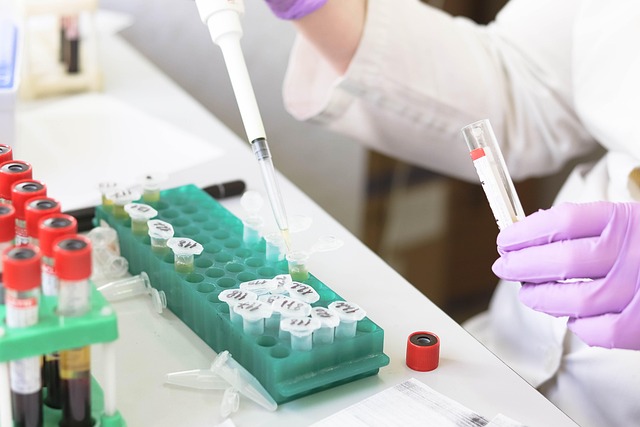
Understanding your hormones can offer valuable insights into your health, especially for women navigating various life stages. A hormone blood test provides a snapshot of these crucial chemical messengers, but the accuracy of that snapshot relies significantly on proper preparation. This guide outlines seven essential steps to take before your hormone blood test, ensuring the results are as reliable and informative as possible.
Table of Contents
- Step 1: Understand the “Why” Behind Your Hormone Test
- Step 2: Communicate with Your Healthcare Provider About What Labs to Ask For
- Step 3: Understand Fasting Requirements for Your Specific Tests
- Step 4: Time Your Test Appropriately Based on Your Menstrual Cycle
- Step 5: Consider Lifestyle Factors (Diet, Exercise, Stress, Sleep)
- Step 6: Review Medications and Supplements with Your Doctor
- Step 7: Hydrate and Relax Before Your Appointment
- FAQ
- Conclusion
Step 1: Understand the “Why” Behind Your Hormone Test
Before diving into preparation, it’s helpful to understand why you’re getting your hormones tested. Hormone testing for women is often recommended to investigate symptoms like irregular periods, unexplained weight changes, mood swings, fatigue, infertility concerns, or symptoms related to perimenopause and menopause. Knowing the specific concerns helps you and your healthcare provider focus on particular hormones and interpret results within context. For instance, testing for polycystic ovary syndrome (PCOS) might involve different hormones or timing than an evaluation for thyroid function.
Clarifying the “why” also helps you engage more effectively with your healthcare provider. Instead of a general “check my hormones,” you can articulate specific symptoms or concerns, leading to a more targeted and useful testing panel. This proactive approach can prevent unnecessary tests or misinterpretations of results.
Step 2: Communicate with Your Healthcare Provider About What Labs to Ask For
This is arguably the most critical step. Not all hormone panels are created equal, and a generic test might miss key markers relevant to your specific symptoms. An evidence-aware guide to what labs to ask for involves an open discussion with your doctor.
Consider these points in your conversation:
- Your Symptoms: Detail all relevant symptoms, their duration, and severity. This helps your doctor connect symptoms to potential hormonal imbalances.
- Menstrual Cycle Phase: For women, the timing of the test relative to your menstrual cycle is crucial for many hormones (e.g., estrogen, progesterone, FSH, LH). Your doctor will need to know if your cycles are regular, irregular, or if you’re post-menopausal.
- Medications and Supplements: Disclose all prescription medications, over-the-counter drugs, and dietary supplements you are taking. Some medications, like birth control pills, hormone replacement therapy (HRT), or even certain vitamins, can significantly impact hormone levels.
- Previous Test Results: If you’ve had hormone tests before, share those results. They provide a baseline and can show trends.
A good discussion ensures that the chosen panel aligns with your health goals and provides meaningful data. For example, if you’re experiencing fatigue and weight gain, thyroid hormones (TSH, free T3, free T4) might be prioritized alongside cortisol. If irregular periods are the primary concern, a panel including FSH, LH, estrogen, and progesterone timed correctly would be essential.
Step 3: Understand Fasting Requirements for Your Specific Tests
The question, “Do you need to fast for female hormone blood test?” doesn’t have a universal answer. Fasting involves avoiding food and sometimes certain drinks for a specified period, typically 8-12 hours, before the blood draw.
Here’s why it matters and how to prepare:
- Impact on Results: Eating can affect various blood markers, including glucose, insulin, and triglycerides. While some hormones (like thyroid hormones or reproductive hormones like estrogen and progesterone) are generally not significantly impacted by a single meal, others, such as insulin or growth hormone, are. Cortisol can also be influenced by stress related to fasting itself, so precise timing and preparation are key.
- Specific Hormones Requiring Fasting:
- Insulin and Glucose: Almost always require fasting.
- Growth Hormone (GH) and IGF-1: Often require fasting.
- Lipid Panel (Cholesterol, Triglycerides): Typically requires fasting.
- Non-Fasting Hormones: Many reproductive hormones (estrogen, progesterone, FSH, LH, testosterone), thyroid hormones (TSH, free T3, free T4), and adrenal hormones (DHEA-S) generally do not require fasting, but always confirm with your lab or doctor.
- Preparation: If fasting is required, plan your appointment for the morning. Drink only water during the fasting period. Avoid coffee, tea, juice, or any caloric beverages.
Comparison Table: Common Hormone Tests and Fasting Requirements
| Hormone/Panel | Typical Fasting Requirement | Notes |
|---|---|---|
| Reproductive Hormones | ||
| Estrogen (Estradiol) | No | Timing relative to menstrual cycle is crucial. |
| Progesterone | No | Timing relative to menstrual cycle (typically day 21-23 of a 28-day cycle) is crucial for ovulation confirmation. |
| FSH / LH | No | Timing relative to menstrual cycle (typically day 2-5 for baseline) is crucial. |
| Testosterone (Total/Free) | No | Often recommended to be drawn in the morning (before 10 AM) due to diurnal variation. |
| DHEA-S | No | |
| Thyroid Hormones | ||
| TSH | No | Consistency is key if taking thyroid medication; draw before taking daily dose. |
| Free T3 / Free T4 | No | Consistency is key if taking thyroid medication; draw before taking daily dose. |
| Adrenal Hormones | ||
| Cortisol | No, but timing is critical | Usually drawn at specific times (e.g., 8 AM) due to diurnal rhythm. Fasting might be requested for specific adrenal function tests, but not a general cortisol level. |
| Blood Sugar/Metabolic | ||
| Glucose | Yes (8-12 hours) | Essential for diabetes screening and management. |
| Insulin | Yes (8-12 hours) | Often tested with glucose to assess insulin resistance. |
| HbA1c | No | Reflects average blood sugar over 2-3 months. |
| Other | ||
| Vitamin D | No | |
| Iron Panel | Yes (8-12 hours) | Specifically for ferritin, serum iron, TIBC. |
Always confirm specific fasting requirements with your ordering physician or the lab performing the tests.
Step 4: Time Your Test Appropriately Based on Your Menstrual Cycle
For women with a menstrual cycle, timing is everything for accurate reproductive hormone assessment. Hormones like estrogen, progesterone, follicle-stimulating hormone (FSH), and luteinizing hormone (LH) fluctuate significantly throughout the month.
- Follicular Phase (Days 2-5 of your cycle): This is often the ideal time to measure baseline levels of FSH, LH, and estradiol. These levels can indicate ovarian reserve and provide insights into potential issues like PCOS or early menopause.
- Luteal Phase (Typically Day 21-23 of a 28-day cycle): Progesterone levels are highest after ovulation. Testing during this phase helps confirm successful ovulation and assesses corpus luteum function.
- Anytime (Post-Menopausal or Irregular Cycles): If you are post-menopausal, have irregular cycles, or are on continuous birth control/HRT, the timing might be less critical for certain hormones, but still discuss this with your doctor. They might recommend testing on a specific day or a random draw depending on the hormone and your situation.
Improper timing can lead to misleading results, potentially causing unnecessary anxiety or incorrect diagnoses. For example, a high FSH level in the luteal phase might be normal, but the same level in the early follicular phase could suggest diminished ovarian reserve.
Step 5: Consider Lifestyle Factors (Diet, Exercise, Stress, Sleep)
Your daily habits can influence hormone levels, sometimes significantly enough to skew test results.
- Diet: While fasting addresses immediate food intake, long-term dietary patterns can affect metabolic hormones and inflammation, indirectly influencing others. Maintain your typical diet in the days leading up to the test unless otherwise instructed. Avoid extreme dietary changes right before the test.
- Exercise: Intense exercise can temporarily alter levels of cortisol, testosterone, and growth hormone. It’s generally advisable to avoid strenuous workouts 24-48 hours before your blood draw. Light activity is usually fine.
- Stress: Chronic and acute stress can elevate cortisol levels, impacting other hormones. While it’s impossible to eliminate all stress, try to have a calm morning before your test. Avoid highly stressful situations if possible.
- Sleep: Poor sleep can disrupt circadian rhythms and affect cortisol, melatonin, and other hormone levels. Aim for a good night’s sleep before your blood test.
- Alcohol and Caffeine: Avoid alcohol for at least 24-48 hours before your test. Caffeine intake can affect certain hormones, especially cortisol. If you typically drink coffee, discuss with your doctor whether to abstain or consume your usual amount to see your “real-world” levels. For morning cortisol tests, it’s often best to avoid caffeine until after the blood draw.
The goal is to get a picture of your typical hormonal state, not an artificially altered one.
Step 6: Review Medications and Supplements with Your Doctor
As mentioned earlier, medications and supplements can interfere with hormone test results. This step merits a deeper dive because the impact can be substantial.
- Hormonal Birth Control/HRT: These contain synthetic hormones that will directly affect your natural hormone levels. If your doctor wants to assess your natural hormone production, they might advise you to pause these medications for a period (often weeks or months) before testing. Never stop these medications without explicit medical advice.
- Thyroid Medications: If you’re on thyroid medication, your doctor will likely want to draw blood before you take your morning dose to get an accurate baseline level of TSH, free T3, and free T4.
- Steroids: Corticosteroids (like prednisone) can significantly impact adrenal hormones, including cortisol.
- Biotic Supplements: Some supplements, like DHEA or pregnenolone, are hormone precursors and will elevate levels of the hormones they metabolize into.
- Herbal Supplements: Certain herbs, like St. John’s Wort or black cohosh, can have hormone-like effects or interact with hormone metabolism.
- Biotin: High doses of biotin (often found in hair, skin, and nail supplements) can interfere with some immunoassay-based lab tests, leading to falsely high or low results for hormones like TSH, free T3, free T4, and others. It’s generally recommended to stop biotin supplements for at least 48-72 hours (or even longer, depending on the dose) before blood work. Always inform the lab and your doctor if you’ve been taking biotin.
Create a comprehensive list of everything you consume and discuss each item with your doctor to determine if any need to be paused or adjusted before your test.
Step 7: Hydrate and Relax Before Your Appointment
While often overlooked, adequate hydration and a calm demeanor can contribute to a smoother blood draw and potentially more accurate results.
- Hydration: Being well-hydrated makes your veins more prominent and easier for the phlebotomist to find, reducing the chances of multiple pokes. Drink plenty of water in the 24 hours leading up to your appointment.
- Relaxation: Stress can cause physiological changes, including temporary elevations in cortisol and adrenaline. While a single blood draw might not dramatically alter long-term hormone levels, acute stress can influence some immediate readings. Try to arrive a few minutes early, take some deep breaths, and avoid rushing. If you have needle anxiety, communicate this to the phlebotomist; they can often employ techniques to make the process easier.
Following these steps helps ensure that the hormone blood work accurately reflects your physiological state, providing valuable data for you and your healthcare provider to make informed decisions about your health.
FAQ
What are the 5 signs of hormonal imbalance?
Hormonal imbalances can manifest in numerous ways, and symptoms often overlap with other conditions. However, some common signs that might prompt investigation include:
- Irregular Menstrual Cycles: This can range from unpredictable periods, very heavy or light bleeding, or absent periods (amenorrhea).
- Unexplained Weight Changes: Difficulty losing weight despite effort, or sudden, unexplained weight gain or loss, can be linked to thyroid, insulin, or sex hormone imbalances.
- Persistent Fatigue: Feeling constantly tired, even after adequate sleep, can be a sign of thyroid issues (hypothyroidism), adrenal dysfunction, or low estrogen/testosterone.
- Mood Swings, Anxiety, or Depression: Hormones like estrogen, progesterone, and thyroid hormones play a significant role in mood regulation. Fluctuations or imbalances can contribute to emotional instability.
- Skin Issues (Acne, Dryness, Hair Changes): Adult acne, excessive hair growth (hirsutism), hair loss, or unusually dry skin can all point to imbalances in androgens, thyroid hormones, or estrogen.
Why don’t doctors like to check hormone levels?
It’s not necessarily that doctors “don’t like” to check hormone levels, but rather that they often approach it with caution and specific criteria. Several factors contribute to this:
- Complexity and Fluctuation: Hormone levels are dynamic. They fluctuate throughout the day (diurnal rhythms), month (menstrual cycle), and life stages. A single snapshot might not be representative, and interpreting results requires a nuanced understanding of these variations.
- Symptom Overlap: Many symptoms of hormonal imbalance are non-specific and can be caused by numerous other conditions. Doctors aim to rule out more common or serious issues first.
- Reference Ranges: “Normal” reference ranges for hormones are broad, and what’s optimal for one person might be different for another. Interpreting results solely based on numbers without considering the patient’s full clinical picture can be misleading.
- Treatment Implications: Identifying a hormonal imbalance doesn’t always mean treatment is necessary or beneficial, especially if symptoms are mild or if the imbalance is within a “normal” physiological range for that individual. Over-treating can lead to other complications.
- Cost and Accessibility: Comprehensive hormone panels can be expensive and may not always be covered by insurance if not deemed medically necessary based on specific symptoms.
- Focus on Evidence-Based Practice: Healthcare providers are trained to order tests that have clear diagnostic utility and lead to actionable treatment plans supported by evidence. Sometimes, lifestyle interventions are prioritized before extensive hormone testing.
A good doctor will be willing to discuss hormone testing if there are clear clinical indications and a strategic plan for interpreting and acting on the results.
What should I do before a hormone blood test?
Before a hormone blood test, you should:
- Consult Your Doctor: Discuss your symptoms, medical history, and all medications/supplements to determine which hormones need testing and the appropriate timing.
- Understand Fasting Requirements: Clarify if fasting is necessary for your specific tests and follow instructions (typically 8-12 hours for food, only water).
- Time Appropriately: For women with cycles, know which day of your menstrual cycle is best for the specific hormones being tested.
- Adjust Medications/Supplements (If Advised): Stop or pause any medications or supplements (especially biotin, birth control, or HRT) only if explicitly instructed by your doctor.
- Avoid Strenuous Exercise: Refrain from intense physical activity for 24-48 hours prior.
- Manage Stress and Sleep: Aim for good sleep and minimize stress on the day before and the morning of the test.
- Hydrate: Drink plenty of water in the 24 hours leading up to your appointment.
Conclusion
Preparing for your hormone blood work effectively is a proactive step towards understanding your body and addressing any health concerns. The accuracy of these tests hinges on a combination of factors: clear communication with your healthcare provider, understanding specific test requirements like fasting and timing, and being mindful of lifestyle influences. For health-conscious women, approaching hormone testing with an evidence-aware mindset empowers you to gain the most valuable insights from your results. By following these seven essential steps, you contribute significantly to obtaining a reliable hormonal snapshot, paving the way for more informed discussions and personalized health strategies.