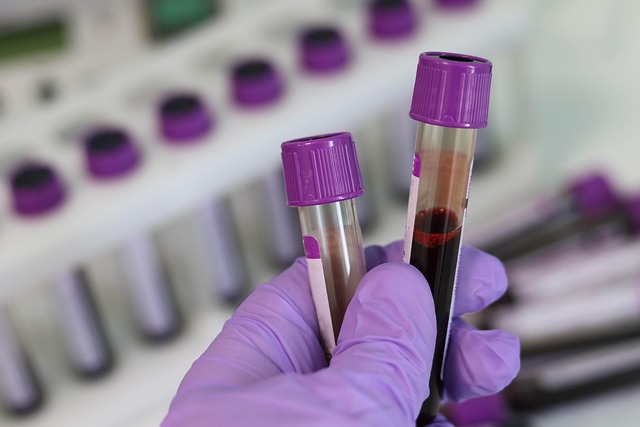

Understanding your hormones can be a crucial step in addressing various health concerns, from persistent fatigue to irregular menstrual cycles or menopausal symptoms. For women, in particular, hormonal balance plays a significant role in overall well-being. When considering hormone testing, a common question arises: which method is best – blood, saliva, or urine? Each approach offers distinct advantages and limitations, and the most suitable option often depends on the specific hormones being evaluated, the clinical question at hand, and individual circumstances. This guide explores the nuances of these testing methods to help you make an informed decision about your hormonal health journey.
Table of Contents
- Women’s Hormone Test Panel — Expanded - Quest Diagnostics for Hormone Testing for Women
- Female Health and Hormone Panel for Hormone Testing for Women
- Female Basic Hormone Panel Blood Test for Hormone Testing for Women
- Female Hormone Panel for Hormone Testing for Women
- At-Home Women’s Health Test | Hormones & Wellness for Hormone Testing for Women
- Thinking About Hormone Testing? 7 Things to Know for Hormone Testing for Women
- FAQ
Women’s Hormone Test Panel — Expanded - Quest Diagnostics for Hormone Testing for Women
When a healthcare provider suggests an “expanded” hormone panel, especially from a large lab like Quest Diagnostics, it typically implies a comprehensive blood test. Blood tests are the most common and widely accepted method for measuring many hormones due to their ability to provide a snapshot of circulating hormone levels.
For women, an expanded panel might include a broad spectrum of hormones such as:
- Estrogens (Estradiol, Estrone, Estriol): These are primary female sex hormones, crucial for reproductive health, bone density, and cardiovascular function. Estradiol is particularly important during reproductive years.
- Progesterone: Essential for regulating the menstrual cycle, supporting pregnancy, and balancing estrogen.
- Testosterone (Total and Free): While often associated with men, women also produce testosterone, which impacts libido, mood, muscle mass, and bone density.
- DHEA-S (Dehydroepiandrosterone Sulfate): An adrenal hormone that is a precursor to both estrogens and androgens. It can indicate adrenal function and overall hormonal production capacity.
- FSH (Follicle-Stimulating Hormone) and LH (Luteinizing Hormone): These pituitary hormones regulate ovarian function and are key indicators of fertility, ovulation, and menopausal status.
- Thyroid Hormones (TSH, Free T3, Free T4): Though not sex hormones, thyroid function is intrinsically linked to overall hormonal balance and can significantly impact metabolism, energy, and mood.
- Prolactin: A hormone primarily associated with lactation but can also affect menstrual cycles and fertility when elevated.
Practical Implications: Blood tests for these hormones provide a measure of the total amount of hormone circulating in the bloodstream, some of which may be bound to proteins and thus inactive. For hormones like estradiol and testosterone, both total and “free” levels (the unbound, biologically active form) are often measured to give a more complete picture. The timing of blood draws is critical, especially for hormones that fluctuate throughout the menstrual cycle (e.g., FSH, LH, estradiol, progesterone). For example, FSH and LH are often tested on day 3 of the menstrual cycle, while progesterone is typically measured around day 21 (luteal phase) to confirm ovulation.
Trade-offs: The main advantage of blood testing is its widespread acceptance, standardization, and the ability to measure a wide range of hormones with high precision. It’s often covered by insurance when medically indicated. However, it represents a single point-in-time measurement and can be influenced by stress during the blood draw, or the time of day. It also requires a clinic visit and a needle stick, which some individuals find uncomfortable.
Edge Cases: For women on hormone replacement therapy (HRT), blood tests are often the preferred method for monitoring synthetic hormone levels, particularly for oral estrogens and injectable testosterone, as these typically circulate in the bloodstream.
Female Health and Hormone Panel for Hormone Testing for Women
A “Female Health and Hormone Panel” is a broad term that can encompass various tests, often tailored to specific health concerns or life stages. Unlike a generic “expanded” panel, this type of panel might be curated to investigate specific issues such as fertility challenges, perimenopausal symptoms, or adrenal fatigue.
Such a panel might focus on:
- Reproductive Hormones: Estradiol, Progesterone, FSH, LH, and Anti-Müllerian Hormone (AMH). AMH is especially useful for assessing ovarian reserve and predicting the onset of menopause.
- Adrenal Hormones: Cortisol (often measured at multiple time points throughout the day to assess circadian rhythm), DHEA-S. These are key for understanding stress response and energy levels.
- Androgens: Total and Free Testosterone, DHEA-S, Androstenedione. Elevated levels of these can be indicative of conditions like Polycystic Ovary Syndrome (PCOS).
- Thyroid Hormones: As mentioned, these are integral to overall hormonal balance.
Practical Implications: This type of panel encourages a more targeted approach. If a woman is experiencing fertility issues, the panel would heavily weight reproductive hormones and AMH. If she’s struggling with chronic stress and fatigue, cortisol and DHEA-S would be central. The choice of panel often arises from a detailed discussion with a healthcare provider about symptoms and health history.
Trade-offs: The benefit here is relevance. You’re testing what’s most likely to be contributing to the problem. However, the exact components can vary significantly between different diagnostic labs or healthcare providers, so it’s essential to understand precisely what’s included. The cost can also vary depending on the number and type of hormones tested.
Edge Cases: For women with irregular cycles, tracking hormone levels over several points in a non-standard cycle might be necessary, which can make testing more complex and costly. Some panels might also include markers for insulin resistance (e.g., fasting insulin, glucose) if PCOS is suspected, highlighting the interconnectedness of hormonal systems.
Female Basic Hormone Panel Blood Test for Hormone Testing for Women
A “basic” hormone panel, typically a blood test, offers a foundational look at key female hormones. This is often the starting point when a general hormonal imbalance is suspected, or for routine check-ups.
A basic panel might commonly include:
- Estradiol: The primary estrogen in reproductive-aged women.
- Progesterone: Measured in the luteal phase to confirm ovulation.
- FSH: A key indicator of ovarian function and menopausal transition.
- LH: Works in conjunction with FSH to regulate the menstrual cycle.
- TSH (Thyroid Stimulating Hormone): A screening test for thyroid function, often the first indicator of thyroid issues.
Practical Implications: This panel serves as a good initial screening tool. If these basic levels are within normal ranges, it might suggest that the symptoms are not primarily due to major imbalances in these specific hormones. If levels are abnormal, it guides further investigation with more specialized tests. For example, a high FSH level in a reproductive-aged woman could point towards diminished ovarian reserve or perimenopause, prompting additional tests like AMH.
Trade-offs: The advantage is its simplicity, lower cost compared to expanded panels, and broad availability. It provides a good general overview. The limitation is its “basic” nature; it might miss subtle imbalances or issues with hormones not included in the panel, such as testosterone or cortisol. It’s a screening tool, not a definitive diagnostic for all hormonal issues.
A more grounded way to view thisr women taking oral contraceptives, these basic hormone levels will be artificially suppressed or altered, making them less useful for assessing natural ovarian function. In such cases, testing might need to be done after a period off contraception, or alternative markers might be considered.
Female Hormone Panel for Hormone Testing for Women
Similar to the “Female Health and Hormone Panel,” a “Female Hormone Panel” is a broad descriptor. However, it can also refer to a specific set of hormones that are often tested together to assess reproductive health and general hormonal status. This might be a slightly more comprehensive version of the “basic” panel, or it could be customized by a practitioner.
Typical components might include:
- Estradiol, Progesterone, FSH, LH: Core reproductive hormones.
- Prolactin: To rule out hyperprolactinemia, which can cause menstrual irregularities and infertility.
- Total Testosterone: To screen for elevated androgen levels.
- DHEA-S: To assess adrenal androgen production.
Practical Implications: This panel attempts to strike a balance between a very basic screen and an overly comprehensive one. It’s often used when symptoms are suggestive of a broader hormonal imbalance affecting multiple systems, rather than just reproductive function. For example, if a woman experiences irregular periods, acne, and fatigue, this panel might provide insights into potential contributions from estrogen/progesterone imbalance, elevated androgens, or even adrenal stress.
Trade-offs: The benefit is a more holistic view than a truly “basic” panel, without the expense or complexity of an “expanded” panel. The challenge, again, is the lack of a universally standardized definition. What one lab or clinic calls a “Female Hormone Panel” might differ slightly from another. Always clarify precisely which hormones are being tested.
A more grounded way to view thisr women experiencing symptoms that don’t clearly point to one specific hormonal pathway, this type of panel can be a good starting point to identify potential areas of concern that warrant deeper investigation. It’s also useful for monitoring women on certain types of HRT or those undergoing fertility treatments.
At-Home Women’s Health Test | Hormones & Wellness for Hormone Testing for Women
The rise of at-home testing kits for women’s health and hormones has made testing more accessible. These kits typically involve collecting samples (often saliva or dried blood spot, sometimes urine) at home and mailing them to a lab for analysis.
Common hormones tested through at-home kits include:
- Saliva Tests: Often preferred for measuring “free” (unbound, active) hormone levels, particularly for steroid hormones like estrogen, progesterone, testosterone, and cortisol. Saliva testing allows for multiple samples throughout the day (e.g., for cortisol rhythm) or across the menstrual cycle without repeated blood draws.
- Dried Blood Spot (DBS) Tests: A small blood sample collected by pricking a finger. DBS can measure many of the same hormones as traditional blood draws, including FSH, LH, TSH, estradiol, and testosterone. It’s less invasive than a venous draw.
- Urine Tests (e.g., DUTCH Test): Comprehensive urine tests, like the DUTCH (Dried Urine Test for Comprehensive Hormones), measure not only hormone levels but also their metabolites. This offers insights into how hormones are being processed and detoxified by the body. It can assess estrogens, progesterone, androgens, cortisol, and their various metabolites.
Practical Implications: At-home tests offer convenience, privacy, and often the ability to collect samples at specific times that might be difficult to coordinate with a lab visit (e.g., first-morning urine, multiple saliva samples throughout the day). Saliva and urine tests are particularly valuable for assessing “bioavailable” or metabolized hormones, which can sometimes provide a more nuanced picture of hormonal activity at the tissue level compared to total circulating blood levels. For instance, the DUTCH test can show not just estrogen levels, but how your body is breaking down estrogen, which has implications for breast health.
Trade-offs: While convenient, at-home tests may not be as widely accepted by all conventional medical practitioners, and insurance coverage can be variable or non-existent. The accuracy of some tests can depend heavily on proper collection techniques. Also, interpreting the results often requires a knowledgeable practitioner, as the reference ranges and clinical significance may differ from standard blood tests.
A more grounded way to view thisr women experiencing chronic stress, fatigue, or mood swings, a multi-point saliva cortisol test can be invaluable for assessing adrenal rhythm. For those concerned about estrogen dominance or detoxification pathways, a comprehensive urine test like the DUTCH can provide highly specific information that blood tests cannot. They are also useful for monitoring transdermal hormone replacement therapy, as blood tests may not accurately reflect tissue levels of topically applied hormones.
Thinking About Hormone Testing? 7 Things to Know for Hormone Testing for Women
Before embarking on hormone testing, it’s helpful to consider several key factors to ensure the process is effective and the results are meaningful.
- Understand Your Symptoms: Document your symptoms thoroughly. When did they start? How severe are they? Do they fluctuate with your menstrual cycle? This information will help your healthcare provider determine which hormones to test and which method might be most appropriate.
- Timing is Crucial: Many hormones fluctuate throughout the day and across the menstrual cycle. FSH, LH, estradiol, and progesterone are typically tested at specific points in the cycle (e.g., Day 3 for FSH/LH, mid-luteal for progesterone). Cortisol often requires multiple samples throughout the day. Ensure you understand and adhere to the recommended timing for your specific tests.
- Medications and Supplements: Inform your provider about all medications (including oral contraceptives, HRT), supplements, and even certain foods you are taking. These can significantly impact hormone levels and test results. For example, biotin supplements can interfere with certain immunoassay tests, leading to falsely high or low results.
- The “Why” Behind the Test: Don’t just get a test because you’re curious. Discuss with your doctor what specific questions the test is meant to answer. Is it to diagnose a condition, monitor treatment, or assess overall well-being? This will guide the choice of test and interpretation.
- Blood vs. Saliva vs. Urine - A Comparison:
| Feature | Blood Testing | Saliva Testing | Urine Testing (e.g., DUTCH) |
|---|---|---|---|
| What it measures | Total circulating hormones (bound & unbound) | Bioavailable (unbound, active) hormones | Hormones and their metabolites (how they’re processed) |
| Hormones suited for | Most hormones (estrogens, progesterone, thyroid, FSH, LH, testosterone, prolactin, DHEA-S) | Steroid hormones (estrogens, progesterone, testosterone, DHEA, cortisol) | Steroid hormones and their metabolites, adrenal hormones |
| Convenience | Clinic visit required, single point-in-time | At-home collection, multiple samples possible | At-home collection, multiple samples possible (e.g., over 24h) |
| Invasiveness | Needle stick | Non-invasive | Non-invasive |
| Insurance Coverage | Often covered (when medically indicated) | Less frequently covered, variable | Less frequently covered, variable |
| Use Cases | Diagnosis, monitoring HRT (oral/injectable), general screening, fertility | Adrenal rhythm, subtle steroid imbalances, monitoring transdermal HRT | Estrogen metabolism, androgen metabolism, adrenal function, comprehensive overview |
| Limitations | Single snapshot, stress can impact results, may not reflect tissue activity | Not for all hormones, less standardized than blood, can be influenced by topical creams | Can be complex to interpret, not for all hormones, hydration can affect concentration |
- Interpreting Results: Normal reference ranges can vary between labs. More importantly, “normal” doesn’t always mean “optimal” for your individual health. Discuss your results with a qualified healthcare professional who understands hormonal physiology and can interpret them in the context of your symptoms and health history.
- Consider a Holistic Approach: Hormones don’t act in isolation. Diet, stress, sleep, exercise, and environmental toxins all play a role in hormonal balance. Testing is one piece of the puzzle; lifestyle interventions are often equally, if not more, important.
By considering these points, women can approach hormone testing with a clearer understanding, leading to more accurate results and actionable insights for their health.
FAQ
How do you check a woman’s hormone levels?
A woman’s hormone levels can be checked through various methods, primarily blood, saliva, or urine tests. Blood tests are the most common and widely accepted, measuring circulating hormone levels. Saliva tests are often used for steroid hormones to assess bioavailable (active) levels and can be collected at home at multiple time points. Urine tests, particularly comprehensive ones like the DUTCH test, provide insights into hormone levels and how they are metabolized by the body. The choice of method depends on the specific hormones of interest, the clinical question, and individual patient factors.
What are the signs of hormonal imbalance in women?
Signs of hormonal imbalance in women are diverse and can vary widely based on which hormones are affected. Common indicators include:
- Menstrual Irregularities: Irregular, heavy, light, or absent periods.
- Mood Changes: Irritability, anxiety, depression, mood swings.
- Weight Fluctuations: Unexplained weight gain or difficulty losing weight.
- Fatigue: Persistent tiredness or low energy.
- Sleep Disturbances: Insomnia or difficulty sleeping.
- Skin and Hair Changes: Acne, dry skin, hair loss, or unwanted hair growth.
- Libido Changes: Decreased sex drive.
- Digestion Issues: Bloating, constipation, or diarrhea.
- Hot Flashes and Night Sweats: Especially during perimenopause and menopause.
- Fertility Issues: Difficulty conceiving.
What do you need tested for full hormones for females?
A “full” hormone panel for females typically refers to a comprehensive assessment that goes beyond basic reproductive hormones. It often includes:
- Reproductive Hormones: Estradiol, Progesterone, FSH, LH, Prolactin, Anti-Müllerian Hormone (AMH).
- Androgens: Total and Free Testosterone, DHEA-S, Androstenedione.
- Adrenal Hormones: Cortisol (often with a diurnal rhythm assessment), DHEA-S.
- Thyroid Hormones: TSH, Free T3, Free T4, and sometimes thyroid antibodies.
- Other Related Markers: Sometimes includes insulin, glucose, or vitamin D, as these can influence or be influenced by hormonal balance.
The exact components of a “full” panel will depend on the individual’s symptoms, health history, and the specific clinical questions being addressed by their healthcare provider.
Navigating the landscape of hormone testing for women can seem complex, but understanding the differences between blood, saliva, and urine testing methods is a crucial first step. Each method offers unique insights into your hormonal health, from circulating levels to active hormones and their metabolic pathways. The most appropriate choice is rarely a one-size-fits-all answer; rather, it hinges on your specific symptoms, health goals, and the guidance of a knowledgeable healthcare professional. By engaging in an informed discussion with your doctor, you can select the testing approach that provides the most relevant and actionable information, paving the way for a more balanced and vibrant hormonal future.