

For women navigating Polycystic Ovary Syndrome (PCOS), the journey often involves managing a complex array of symptoms. What many don’t realize is the frequent overlap and intricate connection between PCOS and thyroid dysfunction. Symptoms like fatigue, weight changes, hair loss, and menstrual irregularities, commonly attributed solely to PCOS, can also be indicators of an underlying thyroid imbalance. Understanding this connection is crucial for accurate diagnosis and effective management. This article will outline the essential thyroid labs every PCOS patient should consider requesting to ensure a comprehensive assessment of their health.
Table of Contents
- The Overlap: PCOS and Thyroid Dysfunction
- What Blood Tests You Should Get if You Have PCOS
- Polycystic Ovary Syndrome and Thyroid Disorder: The Connection
- Diagnosis and Treatment of Polycystic Ovary Syndrome and Co-occurring Thyroid Issues
- Polycystic Ovarian Syndrome Workup: A Holistic View
The Overlap: PCOS and Thyroid Dysfunction
PCOS is an endocrine disorder characterized by hormonal imbalances, often involving elevated androgens, insulin resistance, and irregular ovulation. Thyroid disorders, on the other hand, involve an overactive (hyperthyroidism) or underactive (hypothyroidism) thyroid gland, which produces hormones vital for metabolism, energy, and mood. The shared symptoms between these two conditions make comprehensive testing indispensable. Without a thorough investigation, a thyroid issue might be overlooked, leading to incomplete treatment and persistent symptoms.
For instance, both conditions can manifest as:
- Irregular Menstrual Cycles: A hallmark of PCOS, but also common in thyroid dysfunction.
- Weight Fluctuations: Difficulty losing weight with PCOS can be exacerbated by an underactive thyroid.
- Fatigue: A pervasive symptom in both conditions, often impacting daily life.
- Hair Changes: Hair loss or thinning is seen in both PCOS and thyroid disorders.
- Mood Disturbances: Anxiety and depression can be linked to either condition.
This symptomatic overlap underscores why a “basic” hormonal panel for PCOS might not be sufficient without concurrently evaluating thyroid function.
What Blood Tests You Should Get if You Have PCOS
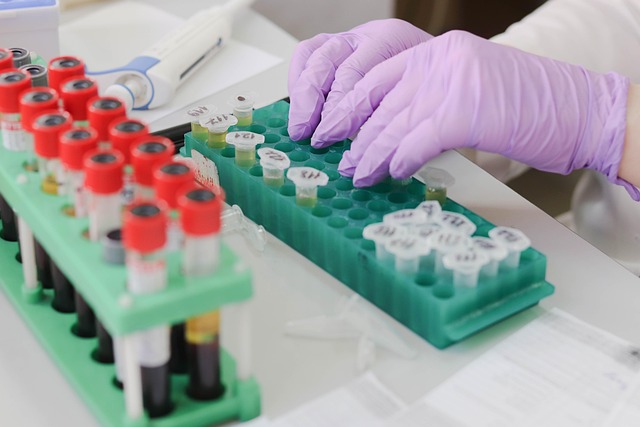
A comprehensive thyroid panel goes beyond just one or two markers. To gain a clear picture of thyroid health, several key tests are generally recommended. These tests help identify overt thyroid disease, subclinical issues, and autoimmune conditions that can affect the thyroid.
Thyroid Stimulating Hormone (TSH)
TSH, produced by the pituitary gland, signals the thyroid gland to produce thyroid hormones. It’s often the first test doctors order to screen for thyroid problems.
- What it measures: The amount of TSH in your blood. High TSH can indicate an underactive thyroid (hypothyroidism), meaning the pituitary is working harder to stimulate a sluggish thyroid. Low TSH can suggest an overactive thyroid (hyperthyroidism).
- Practical Implications for PCOS: While standard reference ranges for TSH are typically between 0.4-4.0 mIU/L, some practitioners advocate for a narrower optimal range, especially for women with PCOS who may be more sensitive to subtle imbalances. Even TSH levels within the “normal” but higher end of the range (e.g., 2.5-4.0 mIU/L) might warrant further investigation if symptoms persist.
- Example Scenario: A woman with PCOS experiences fatigue, unexplained weight gain, and constipation. Her TSH comes back at 3.8 mIU/L, which is within the lab’s normal range. However, given her symptoms and PCOS diagnosis, her doctor might consider this elevated for optimal function and order additional thyroid tests.
Free Thyroxine (Free T4)
Thyroxine (T4) is the main hormone produced by the thyroid gland. “Free” T4 refers to the unbound, active form of the hormone circulating in the blood, which is available for tissues to use.
- What it measures: The amount of active T4 not bound to proteins.
- Practical Implications for PCOS: Free T4 levels help confirm whether the thyroid gland is producing enough hormone. If TSH is high and Free T4 is low, it strongly indicates hypothyroidism. If TSH is low and Free T4 is high, it points to hyperthyroidism. Elevated estrogen, common in PCOS, can sometimes increase thyroid-binding globulin (TBG), which binds T4. Measuring Free T4 gives a more accurate picture of available hormone than Total T4.
- Example Scenario: A patient with PCOS has a TSH of 6.0 mIU/L. Her Free T4 is found to be 0.7 ng/dL (below the typical reference range of 0.8-1.8 ng/dL). This confirms overt hypothyroidism.
Free Triiodothyronine (Free T3)
Triiodothyronine (T3) is the most active form of thyroid hormone. While T4 is the primary hormone produced by the thyroid, much of it is converted to T3 in other tissues.
- What it measures: The amount of active T3 available to cells. A more grounded way to view thisplications for PCOS:** Measuring Free T3 is essential because some individuals, particularly those with chronic conditions or stress, may have issues converting T4 into the more active T3. Even with normal TSH and Free T4, low Free T3 can indicate a conversion problem, contributing to hypothyroid-like symptoms.
- Example Scenario: A woman with PCOS reports persistent brain fog and low energy despite normal TSH and Free T4. Her Free T3 comes back at 2.2 pg/mL (below the typical optimal range of 2.6-4.4 pg/mL). This suggests a T4 to T3 conversion issue that could be contributing to her symptoms.
Reverse T3 (rT3)
Reverse T3 is an inactive form of T3. The body produces rT3, especially during periods of stress, illness, or caloric restriction, as a way to conserve energy.
- What it measures: The level of inactive T3. A more grounded way to view thisplications for PCOS:** High levels of rT3 can “block” the active T3 from binding to receptors, effectively creating a state of hypothyroidism at the cellular level, even if TSH, Free T4, and Free T3 appear normal. This is often seen in chronic stress, inflammation, and insulin resistance – all factors common in PCOS.
- Example Scenario: A patient with PCOS maintains healthy lifestyle habits, and her TSH, Free T4, and Free T3 are all within normal ranges. However, she still struggles with extreme fatigue and cold intolerance. A Reverse T3 test reveals elevated levels, indicating that her body is producing too much inactive T3, hindering proper thyroid hormone utilization.
Thyroid Antibodies: Thyroid Peroxidase Antibodies (TPOAb) and Thyroglobulin Antibodies (TgAb)
These antibodies indicate an autoimmune attack on the thyroid gland, which is the underlying cause of Hashimoto’s thyroiditis (autoimmune hypothyroidism) or Graves’ disease (autoimmune hyperthyroidism).
- What they measure: The presence and levels of antibodies targeting thyroid proteins. A more grounded way to view thisplications for PCOS:** Autoimmune thyroid disease, particularly Hashimoto’s, is significantly more common in women with PCOS than in the general population. Identifying these antibodies allows for early diagnosis and monitoring, as autoimmune thyroid conditions can fluctuate and worsen over time. Even if TSH, T4, and T3 are currently normal, positive antibodies indicate a predisposition and warrant regular monitoring. A more grounded way to view thisario:** A woman with PCOS has normal TSH, Free T4, and Free T3, but her TPO antibodies are significantly elevated. This indicates she has Hashimoto’s thyroiditis, even if her thyroid function is currently stable. Her doctor can then discuss proactive strategies and future monitoring.
Polycystic Ovary Syndrome and Thyroid Disorder: The Connection
The relationship between PCOS and thyroid disorders is multifaceted. Research, including studies cited by the NIH, indicates a higher prevalence of thyroid dysfunction, particularly autoimmune thyroiditis (like Hashimoto’s), in women with PCOS.
Why the Link?
- Autoimmunity: Women with PCOS appear to have a higher susceptibility to autoimmune conditions in general. This might be due to genetic predispositions or shared inflammatory pathways.
- Inflammation: Both PCOS and autoimmune thyroid conditions often involve chronic low-grade inflammation, which can perpetuate hormonal imbalances and cellular dysfunction.
- Insulin Resistance: A common feature of PCOS, insulin resistance can affect thyroid function and hormone conversion.
- Estrogen Dominance: Some theories suggest that altered estrogen metabolism in PCOS might impact thyroid health.
Recognizing this connection means that a comprehensive workup for PCOS should always include a thorough assessment of thyroid function, not just a cursory TSH screen.
Diagnosis and Treatment of Polycystic Ovary Syndrome and Co-occurring Thyroid Issues
The diagnostic process for PCOS typically involves a combination of clinical symptoms (irregular periods, hirsutism, acne), physical examination, and blood tests (androgen levels, glucose, lipid panel). When thyroid issues are suspected or confirmed, the diagnostic and treatment approach becomes more integrated.
Integrated Approach
- Comprehensive Lab Work: As detailed above, a full thyroid panel is crucial.
- Symptom Review: A detailed discussion of symptoms helps distinguish between PCOS-related issues and those potentially stemming from thyroid dysfunction.
- Lifestyle Modifications: Diet, exercise, and stress management are foundational for both PCOS and many thyroid conditions. Addressing insulin resistance through diet, for example, can positively impact both.
- Medication:
- For PCOS: Medications might include metformin for insulin resistance, oral contraceptives for menstrual regulation, or anti-androgens for symptoms like hirsutism.
- For Hypothyroidism: Thyroid hormone replacement (e.g., levothyroxine) is the standard treatment. The dosage is carefully titrated based on TSH and Free T4 levels and symptom resolution.
- For Hyperthyroidism: Treatment might involve anti-thyroid medications, radioactive iodine, or surgery.
Example of Integrated Management
Consider a patient diagnosed with PCOS who also has subclinical hypothyroidism (elevated TSH, normal Free T4, positive TPO antibodies).
- PCOS Management: She focuses on a low-glycemic diet, regular exercise, and stress reduction to manage her insulin resistance and androgen levels. Her doctor may prescribe metformin.
- Thyroid Management: Due to her symptoms (fatigue, cold intolerance) and positive antibodies, her doctor decides to initiate a low dose of levothyroxine.
- Outcome: Over time, her energy levels improve, her menstrual cycles become more regular, and her TSH normalizes. This integrated approach addresses both conditions, leading to better overall health outcomes.
Polycystic Ovarian Syndrome Workup: A Holistic View
A true workup for PCOS extends beyond just reproductive hormones. It should encompass metabolic health, inflammatory markers, and, critically, thyroid function.
Essential Components of a PCOS Workup (with Thyroid Integration)
Conclusion
Understanding the intricate relationship between PCOS and thyroid health is essential for anyone navigating these overlapping conditions. Women with PCOS are at a higher risk of developing thyroid dysfunction, particularly autoimmune thyroiditis, which can further complicate hormonal balance and metabolic health. Comprehensive thyroid testing—including TSH, Free T4, Free T3, and thyroid antibodies—is vital to uncover hidden thyroid issues that might otherwise be missed with standard screening alone.
A holistic approach that integrates thyroid evaluation alongside traditional PCOS workup allows for more accurate diagnosis and effective treatment strategies. Addressing insulin resistance, inflammation, and hormonal imbalances through lifestyle changes and targeted medications can significantly improve symptoms and overall wellbeing. Recognizing subtle signs of thyroid dysfunction and advocating for thorough lab testing empowers you to take control of your health journey.
Embracing a proactive mindset and partnering with your healthcare team can unlock better management of both PCOS and thyroid conditions, supporting your energy, hormonal balance, and quality of life. Remember, your health is multifaceted, and nurturing all aspects—from metabolic to endocrine—paves the way for lasting wellness.