

For many women, understanding their hormonal health, particularly thyroid function, can feel like navigating a complex maze. Often, the conversation with a healthcare provider about thyroid health begins and ends with a single test: Thyroid Stimulating Hormone (TSH). While TSH is a crucial marker, it doesn’t always tell the whole story. This article explores the differences between a TSH-only test and a comprehensive full thyroid panel, helping you understand why a broader perspective might be necessary for your health and what questions to pose to your doctor.
Table of Contents
- Thyroid Panel: What It Is & Results for Thyroid Panel for Women
- Full Custom Thyroid Test for Hormone Health for Thyroid Panel for Women
- Thyroid Panel Test for Thyroid Panel for Women
- Women’s Hormone Test Panel — Expanded - Quest Diagnostics for Thyroid Panel for Women
- Thyroid Panel with TSH | Test Detail for Thyroid Panel for Women
- Thyroid Function Tests for Thyroid Panel for Women
- Frequently Asked Questions
- Conclusion
Thyroid Panel: What It Is & Results for Thyroid Panel for Women
A thyroid panel is a series of blood tests designed to assess how well your thyroid gland is functioning. The thyroid, a butterfly-shaped gland located at the base of your neck, produces hormones that regulate metabolism, energy levels, body temperature, and even mood. For women, thyroid health is particularly significant due to its interplay with reproductive hormones, pregnancy, and autoimmune conditions.
The most basic thyroid assessment typically includes TSH. However, a more complete picture often requires evaluating several markers in conjunction. When these tests are ordered together, they form what’s commonly referred to as a “thyroid panel.”
Understanding the Key Markers
TSH (Thyroid Stimulating Hormone): Produced by the pituitary gland in the brain, TSH signals the thyroid to release more or fewer thyroid hormones. High TSH can indicate an underactive thyroid (hypothyroidism), meaning the pituitary is working hard to stimulate a sluggish thyroid. Low TSH can suggest an overactive thyroid (hyperthyroidism), as the pituitary is trying to slow down an overproducing thyroid. TSH is often the first, and sometimes only, test ordered.
Free T4 (Free Thyroxine): T4 is the primary hormone produced by the thyroid gland. “Free” T4 refers to the unbound, active form of the hormone circulating in the bloodstream, available for use by your cells. This is a more accurate measure than total T4, which includes both bound and unbound hormone. Low Free T4 often correlates with hypothyroidism, while high Free T4 can indicate hyperthyroidism.
Free T3 (Free Triiodothyronine): T3 is the most active form of thyroid hormone. While T4 is produced in larger quantities, it’s often converted to T3 in the body’s tissues. Like Free T4, “Free” T3 measures the unbound, active form. Low Free T3 can point to hypothyroidism, even if TSH and Free T4 are within range, especially in cases of impaired T4-to-T3 conversion. High Free T3 suggests hyperthyroidism.
Thyroid Antibodies: These tests look for antibodies that might be attacking your thyroid gland.
- TPOAb (Thyroid Peroxidase Antibodies): Often elevated in Hashimoto’s thyroiditis, an autoimmune condition causing hypothyroidism.
- TgAb (Thyroglobulin Antibodies): Also associated with Hashimoto’s and sometimes Graves’ disease.
- TRAb (TSH Receptor Antibodies) / TSI (Thyroid Stimulating Immunoglobulin): Commonly found in Graves’ disease, an autoimmune condition causing hyperthyroidism.
Interpreting Results for Women
Thyroid hormone levels can fluctuate throughout a woman’s life, influenced by factors like pregnancy, menopause, and even stress. While standard reference ranges exist, optimal levels can vary individually. For example, during pregnancy, TSH reference ranges are often lower, making a comprehensive panel even more critical. Understanding these nuances helps in discerning whether symptoms like fatigue, weight changes, hair loss, or mood disturbances are indeed thyroid-related.
Full Custom Thyroid Test for Hormone Health for Thyroid Panel for Women
A “full custom thyroid test” or comprehensive thyroid panel goes beyond TSH to provide a detailed snapshot of thyroid function and potential underlying issues. This is particularly relevant for women experiencing persistent symptoms despite a “normal” TSH result, or those with a family history of thyroid or autoimmune conditions.
Why a Full Panel Matters for Women
Consider a scenario where a woman experiences chronic fatigue, unexplained weight gain, brain fog, and menstrual irregularities. Her doctor orders a TSH test, which comes back “normal” according to the standard lab range. This might lead to her symptoms being dismissed or attributed to other causes like stress or aging. However, a full panel might reveal a different story:
- Suboptimal T4/T3 Conversion: Her TSH might be normal, but her Free T4 could be high-normal, and her Free T3 could be low-normal or even below range. This suggests her body isn’t efficiently converting the less active T4 into the more active T3, leading to hypothyroid symptoms at the cellular level.
- Autoimmune Attack: Normal TSH, Free T4, and Free T3, but elevated TPO antibodies could indicate the early stages of Hashimoto’s thyroiditis. While the thyroid is still functioning adequately, the autoimmune process has begun, and symptoms might be present or emerge over time. Early detection allows for monitoring and potential interventions.
- Reverse T3 (rT3) Issues: In times of stress, illness, or certain nutrient deficiencies, the body may convert T4 into Reverse T3 instead of active T3. rT3 is metabolically inactive and can block T3 receptors, leading to hypothyroid symptoms even with “normal” TSH, Free T4, and Free T3. A full panel can include rT3 to identify this conversion issue.
These examples highlight how a TSH-only approach can miss crucial information, leading to prolonged suffering and delayed diagnosis for women whose thyroid issues are more complex.
Components of a Comprehensive Thyroid Panel
A truly comprehensive panel often includes:
- TSH
- Free T4
- Free T3
- Reverse T3 (rT3)
- Thyroid Peroxidase Antibodies (TPOAb)
- Thyroglobulin Antibodies (TgAb)
- TSH Receptor Antibodies (TRAb/TSI)
Some advanced panels might also include:
- Total T4 and Total T3: While Free T4 and Free T3 are generally more informative, total levels can sometimes offer additional context, especially when assessing protein binding issues.
- Thyroglobulin: This protein is a precursor to thyroid hormones and can be used as a tumor marker for certain thyroid cancers, but it’s not typically part of a standard diagnostic panel for general thyroid function.
Thyroid Panel Test for Thyroid Panel for Women
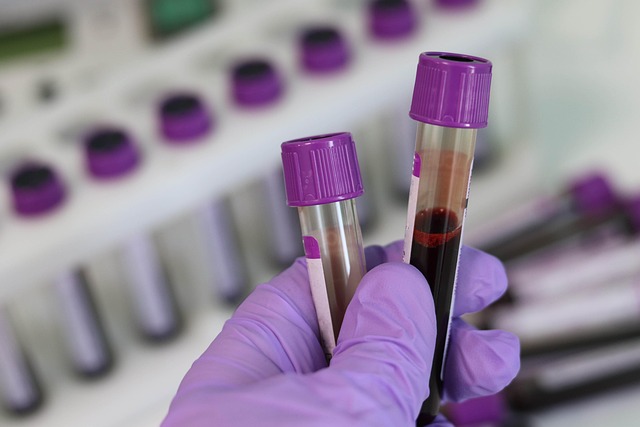
The process of getting a thyroid panel test is straightforward: a blood sample is drawn, typically from a vein in your arm. There are usually no special preparations required, although some healthcare providers may recommend a morning draw, as TSH levels can fluctuate throughout the day. If you are taking thyroid medication, your doctor might advise you on the best time to take your medication relative to your blood draw.
When to Consider a Thyroid Panel for Women
Women should consider discussing a thyroid panel with their doctor if they experience any of the following, especially if multiple symptoms are present:
- Persistent fatigue and low energy
- Unexplained weight gain or difficulty losing weight
- Hair loss or thinning (especially outer eyebrows)
- Dry skin and brittle nails
- Constipation
- Feeling cold all the time
- Muscle weakness and aches
- Menstrual irregularities (heavy, irregular, or absent periods)
- Difficulty conceiving or recurrent miscarriages
- Mood changes: depression, anxiety, irritability
- Brain fog, poor concentration, memory issues
- Swelling in the neck (goiter)
- Family history of thyroid disease or autoimmune conditions
- Postpartum period (new mothers are at higher risk for postpartum thyroiditis)
- Diagnosis of another autoimmune disease (e.g., celiac disease, rheumatoid arthritis, type 1 diabetes)
It’s important to note that many of these symptoms are non-specific and can be attributed to other conditions. This is precisely why a comprehensive thyroid panel is valuable – it helps to either rule out thyroid dysfunction or confirm it, guiding appropriate treatment.
Women’s Hormone Test Panel — Expanded - Quest Diagnostics for Thyroid Panel for Women
Commercial labs like Quest Diagnostics and LabCorp offer various testing options, including expanded hormone panels that often incorporate thyroid markers. These panels are designed to give a broader overview of a woman’s endocrine health, acknowledging the interconnectedness of hormones.
What an Expanded Panel Might Include Beyond Thyroid
While the focus here is on thyroid, it’s useful to understand how thyroid health fits into the larger picture of women’s hormone health. An “expanded” panel might include:
- Reproductive Hormones:
- Estradiol (E2): A key estrogen, crucial for reproductive and bone health.
- Progesterone: Important for menstrual cycle regulation and pregnancy.
- Testosterone (Total and Free): While often associated with men, testosterone plays a role in women’s libido, energy, and muscle mass.
- LH (Luteinizing Hormone) and FSH (Follicle-Stimulating Hormone): Regulate ovulation and ovarian function.
- Adrenal Hormones:
- Cortisol: The primary stress hormone, which can significantly impact thyroid function.
- DHEA-S: An adrenal androgen, a precursor to other hormones.
- Other Related Markers:
- Vitamin D: Deficiency is common and linked to autoimmune thyroid conditions.
- Ferritin: Iron storage, low levels can mimic hypothyroid symptoms and impair thyroid hormone conversion.
- B12: Deficiency can cause fatigue and neurological symptoms similar to hypothyroidism.
Advantages and Considerations of Expanded Panels
Advantages:
- Holistic View: Provides insight into how different hormonal systems are interacting.
- Efficiency: Multiple tests from a single blood draw.
- Identifying Root Causes: Can help uncover underlying issues affecting thyroid function (e.g., adrenal fatigue, nutrient deficiencies).
Considerations:
- Cost: Expanded panels can be more expensive and may not always be fully covered by insurance unless medically indicated.
- Interpretation Complexity: The more markers tested, the more complex the interpretation, often requiring a practitioner experienced in functional or integrative medicine.
- Specificity: While comprehensive, it’s essential to ensure the panel includes all the specific thyroid markers needed for a thorough assessment.
When considering an expanded panel, especially one offered directly to consumers, it’s crucial to discuss the results with a qualified healthcare provider who can interpret them in the context of your individual health history and symptoms.
Thyroid Panel with TSH | Test Detail for Thyroid Panel for Women
The distinction between a TSH-only test and a more comprehensive thyroid panel is central to advocating for your health. While TSH is an excellent screening tool, its limitations become apparent when symptoms persist despite “normal” results.
The Role of TSH in Initial Screening
TSH is often the first-line test due to its sensitivity. It acts as a thermostat for thyroid function:
- High TSH: Indicates the pituitary gland is pushing hard for the thyroid to produce more hormones, suggesting an underactive thyroid.
- Low TSH: Indicates the pituitary gland is holding back, suggesting an overactive thyroid.
For many individuals, TSH alone is sufficient to diagnose overt hypothyroidism or hyperthyroidism. If TSH is significantly out of range, further testing (usually Free T4 and sometimes Free T3) is typically ordered to confirm the diagnosis and assess severity.
When TSH-Only Might Be Insufficient
However, for women, relying solely on TSH can be problematic in several scenarios:
- Subclinical Thyroid Dysfunction: TSH might be slightly elevated, but Free T4 and Free T3 are still within reference ranges. While often monitored, some women experience symptoms even at these “subclinical” levels and may benefit from treatment.
- Central Hypothyroidism: A rare condition where the pituitary gland itself is dysfunctional, leading to low TSH and low thyroid hormones. If only TSH is checked, this condition would be missed as TSH would appear normal or even low, suggesting hyperthyroidism.
- Thyroid Hormone Resistance: Cells are resistant to thyroid hormones, meaning levels might appear normal, but the body isn’t utilizing them effectively.
- Autoimmune Thyroid Disease in Early Stages: As mentioned, TSH can be normal while antibodies are elevated, indicating an ongoing autoimmune process.
- Conversion Issues: Normal TSH and T4, but low T3 due to poor conversion.
- Medication Effects: Certain medications can impact TSH levels or thyroid hormone metabolism.
- Pregnancy: TSH levels naturally decrease in the first trimester, making interpretation more complex without Free T4 and sometimes Free T3.
Advocating for a Full Panel
If you are a woman experiencing thyroid-related symptoms but have been told your TSH is normal, it’s reasonable to ask your doctor for a more comprehensive thyroid panel. You can explain your symptoms and express your desire for a more complete picture of your thyroid health.
Thyroid Function Tests for Thyroid Panel for Women
Thyroid function tests encompass all the various blood tests used to evaluate the thyroid. This section provides a comparative overview to help solidify the understanding of what to ask for.
Comparison: TSH Only vs. Full Thyroid Panel
To clarify the differences and advantages, here’s a table comparing the two approaches:
| Feature | TSH Only | Full Thyroid Panel (Comprehensive) |
|---|---|---|
| Primary Purpose | Initial screening for overt thyroid dysfunction | Detailed assessment of thyroid function, hormone conversion, and autoimmunity |
| Included Markers | TSH (Thyroid Stimulating Hormone) | TSH, Free T4, Free T3, Reverse T3, Thyroid Antibodies (TPOAb, TgAb, TRAb/TSI) |
| Information Provided | Pituitary’s signal to the thyroid | Thyroid’s output, active hormone levels, conversion efficiency, autoimmune status |
| Diagnostic Capability | Good for overt hypo/hyperthyroidism | Can uncover subclinical issues, conversion problems, autoimmune conditions, and central hypothyroidism |
| Cost | Generally lower | Higher, but often more cost-effective in the long run if it leads to accurate diagnosis |
| Ideal For | Routine screening in asymptomatic individuals, initial assessment of clear symptoms | Women with persistent symptoms despite normal TSH, family history of thyroid/autoimmune disease, fertility issues, known autoimmune conditions |
| Potential Limitations | Can miss nuanced issues, subclinical disease, autoimmune attacks, and conversion problems | Requires careful interpretation by an experienced practitioner |
Empowering Your Conversation with Your Doctor
When discussing thyroid testing with your doctor, be prepared to articulate your symptoms clearly and explain why you believe a full panel is warranted. Here are some questions you might ask:
- “Given my symptoms [list specific symptoms], would you consider ordering a complete thyroid panel that includes Free T4, Free T3, and thyroid antibodies, in addition to TSH?”
- “My TSH was normal, but I’m still experiencing [symptoms]. Could there be an issue with thyroid hormone conversion or an autoimmune process that a full panel might reveal?”
- “Are there any reasons you would advise against a full thyroid panel in my case?”
- “What are the optimal ranges you use for TSH, Free T4, and Free T3, and how do they compare to the standard lab ranges?” (This is important, as some practitioners use narrower “optimal” ranges).
- “If my TSH is normal but my symptoms persist, what would be the next steps in investigating my health concerns?”
Remember, your health journey is collaborative. By being informed and prepared, you can have a more productive discussion with your healthcare provider and ensure you receive the most appropriate care for your unique needs.
Frequently Asked Questions
What’s included in a full thyroid panel?
A full thyroid panel typically includes Thyroid Stimulating Hormone (TSH), Free Thyroxine (Free T4), Free Triiodothyronine (Free T3), and thyroid antibodies such as Thyroid Peroxidase Antibodies (TPOAb) and Thyroglobulin Antibodies (TgAb). Some comprehensive panels may also include Reverse T3 (rT3) and TSH Receptor Antibodies (TRAb/TSI).
Can GLP-1 help with thyroid issues?
GLP-1 receptor agonists (like Ozempic or Wegovy) are primarily used for managing type 2 diabetes and obesity. While they can lead to weight loss, which might indirectly improve some metabolic markers, there’s no direct evidence that GLP-1 medications specifically treat or resolve underlying thyroid issues. In fact, GLP-1 medications carry a Boxed Warning regarding the risk of thyroid C-cell tumors, including medullary thyroid carcinoma (MTC), in rats. It’s not known if they cause MTC or other thyroid tumors in humans. Individuals with a personal or family history of MTC or Multiple Endocrine Neoplasia syndrome type 2 (MEN 2) should not use these medications. Always discuss your full medical history with your doctor when considering such treatments.
Can cortisol levels affect the thyroid?
Yes, there’s a significant interplay between cortisol (a stress hormone produced by the adrenal glands) and thyroid function. Chronic stress and elevated cortisol levels can negatively impact the thyroid in several ways:
- Suppressing TSH: High cortisol can lower TSH production, potentially masking hypothyroidism.
- Impairing T4-to-T3 Conversion: Cortisol can inhibit the conversion of the less active T4 into the more active T3, leading to lower active thyroid hormone availability.
- Increasing Reverse T3: Stress can promote the conversion of T4 into Reverse T3, which is inactive and can block T3 receptors.
- Exacerbating Autoimmunity: Chronic stress can worsen autoimmune conditions, including Hashimoto’s thyroiditis and Graves’ disease. Managing stress and supporting adrenal health can be an important component of a holistic approach to thyroid wellness.
Conclusion
For women, understanding thyroid health extends beyond a single TSH number. While TSH is a valuable initial screening tool, a full thyroid panel offers a much more nuanced and complete picture of thyroid function, hormone conversion, and potential autoimmune involvement. Armed with knowledge about Free T4, Free T3, Reverse T3, and thyroid antibodies, you can engage in a more informed dialogue with your healthcare provider. Advocating for comprehensive testing, especially when experiencing persistent symptoms, is a proactive step towards identifying the root causes of your health concerns and ensuring you receive appropriate and individualized care.