
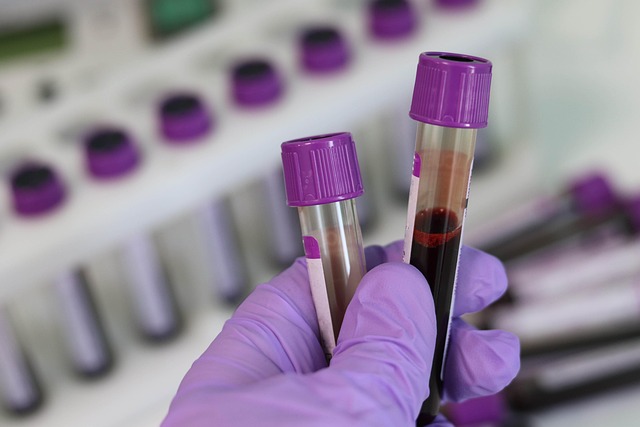
Preparing for a hormone blood test involves more than just showing up. The accuracy of your results, which are crucial for understanding your hormonal balance and overall women’s hormone health, can be significantly influenced by what you do—or don’t do—in the days and hours leading up to your appointment. This guide offers practical support steps to help you navigate the preparation process effectively, ensuring your first hormone lab appointment yields the most reliable data possible.
Table of Contents
- Understanding the “Why” Behind Hormone Testing
- General Preparation Guidelines for Hormone Blood Tests
- Specific Hormone Tests and Their Preparation Nuances
- Comparison of Common Hormone Tests and Their Preparation
Understanding the “Why” Behind Hormone Testing
Before diving into preparation specifics, it’s helpful to understand why you’re undergoing a hormone test. Hormone levels fluctuate naturally throughout the day, month, and life stages. These tests provide a snapshot, helping identify potential imbalances that contribute to symptoms like fatigue, irregular periods, mood swings, weight changes, or fertility challenges. Your healthcare provider uses these results to inform diagnoses, guide treatment plans, and monitor the effectiveness of interventions. Accurate results mean a clearer picture and more tailored care.
General Preparation Guidelines for Hormone Blood Tests
While specific instructions can vary depending on the hormones being tested, some general guidelines apply to most hormone blood tests. Adhering to these can help mitigate factors that might skew your results.
Fasting Considerations
Many hormone tests require fasting, typically for 8-12 hours before the blood draw. Fasting means abstaining from all food and caloric beverages. Water is usually permitted, and often encouraged, to help with hydration and vein visibility.
Why fasting matters: Consuming food and certain drinks can impact the levels of hormones like insulin, cortisol, and even thyroid hormones indirectly. For instance, a meal high in carbohydrates can cause a temporary spike in insulin, which could affect the interpretation of other related hormonal markers. Always confirm fasting requirements with your doctor or the lab.
Medication and Supplement Review
Your medications and supplements can significantly impact hormone levels.
- Prescription Medications: Discuss all prescription medications, including birth control, hormone replacement therapy (HRT), and steroids, with your doctor before your test. They may advise you to temporarily stop certain medications or adjust the timing of your dose. Never discontinue medication without explicit medical advice.
- Over-the-Counter Drugs: Inform your doctor about any over-the-counter medications, such as pain relievers or antihistamines.
- Supplements: Herbal supplements, vitamins, and even widely used supplements like biotin can interfere with certain lab assays. Biotin, in particular, can cause falsely high or low results for some hormone tests (e.g., thyroid hormones, estrogen, testosterone). It’s often recommended to stop biotin-containing supplements for at least 24-72 hours, or even longer, before testing. Again, consult your healthcare provider for specific guidance.
Timing Your Test: The Menstrual Cycle and Circadian Rhythms
The timing of your blood draw can be critical, especially for women of reproductive age.
- Menstrual Cycle Phase: Hormones like estrogen, progesterone, FSH (Follicle-Stimulating Hormone), and LH (Luteinizing Hormone) fluctuate dramatically throughout the menstrual cycle. Your doctor will likely specify a particular day for testing (e.g., Day 3 for FSH/LH, mid-luteal phase for progesterone) to get a meaningful reading. If you have irregular cycles, your doctor will provide alternative timing instructions.
- Time of Day: Cortisol levels, for example, follow a diurnal rhythm, peaking in the morning and declining throughout the day. Prolactin can also be affected by time of day and recent activity. Your doctor will likely schedule your appointment for a specific time, often in the morning, to capture these hormones at their most relevant levels for interpretation.
Lifestyle Factors
Certain lifestyle choices leading up to your test can also influence results.
- Exercise: Strenuous exercise can temporarily alter hormone levels, including cortisol and testosterone. It’s often recommended to avoid intense physical activity for 24-48 hours before your blood draw.
- Stress: High stress levels can elevate cortisol. While it’s impossible to eliminate all stress, try to minimize acute stressors on the day before and the morning of your test.
- Sleep: Poor sleep can affect several hormones. Aim for a typical night’s rest before your appointment.
- Alcohol and Caffeine: These can influence various physiological processes and hormone levels. It’s generally advisable to avoid alcohol for at least 24-48 hours and caffeine for several hours before your test, especially if you are fasting.
Specific Hormone Tests and Their Preparation Nuances
While general guidelines are helpful, some hormone tests have unique preparation requirements. Here’s a look at common tests and their specific considerations.
Thyroid Hormone Panel (TSH, Free T3, Free T4)
- Fasting: Often not strictly required, but some labs prefer it. Check with your provider.
- Medications: If you’re on thyroid medication (e.g., levothyroxine), your doctor will usually advise you to take it after your blood draw, or to skip it entirely on the morning of the test, to get a baseline reading before the medication influences levels.
- Biotin: Crucial to stop biotin supplements (often found in hair, skin, and nail formulations, and multivitamins) for at least 72 hours, as it can significantly interfere with thyroid hormone assays.
Estrogen Levels Test (Estradiol, Estrone, Estriol)
- Fasting: Not typically required unless other tests are ordered concurrently.
- Timing: For women of reproductive age, the timing within the menstrual cycle is paramount. Estradiol levels vary significantly, with peaks around ovulation. Your doctor will specify the cycle day.
- Hormone Therapy: If you are on HRT or birth control, this will directly impact your estrogen levels. Your doctor needs to know this to interpret results correctly.
Progesterone Levels Test
- Fasting: Not typically required.
- Timing: Usually drawn during the mid-luteal phase (about 7 days after ovulation) to confirm ovulation or assess corpus luteum function. Precise timing is essential.
FSH (Follicle-Stimulating Hormone) and LH (Luteinizing Hormone)
A more grounded way to view thisot typically required.
- Timing: Often drawn on Day 2-4 of the menstrual cycle (follicular phase) to assess ovarian reserve or diagnose conditions like PCOS.
Prolactin
- Fasting: Often recommended to fast for 8-10 hours.
- Timing: Best drawn in the morning, usually 3-4 hours after waking, as levels can be influenced by sleep and stress. Strenuous exercise, breast stimulation, and sexual activity should be avoided for 24 hours prior.
Testosterone (Total and Free)
- Fasting: Often recommended, especially if other tests like glucose are being drawn.
- Timing: Typically drawn in the morning (e.g., 8-10 AM) due to diurnal variation, where levels are highest in the morning.
Cortisol
- Fasting: Often required.
- Timing: Usually drawn at specific times of the day (e.g., 8 AM, 4 PM, midnight) to assess its diurnal rhythm. Adherence to the exact time is critical.
- Stress: Minimize stress before the test, as acute stress can elevate cortisol.
DHEA-S (Dehydroepiandrosterone Sulfate)
- Fasting: Generally not required.
- Timing: Can be drawn at any time of day, as its levels are relatively stable.
Insulin and Glucose
- Fasting: Always required for 8-12 hours. This is crucial for accurate interpretation of metabolic health and insulin resistance. Only water is permitted.
Comparison of Common Hormone Tests and Their Preparation
To help summarize, here’s a comparison table outlining key preparation steps for frequently tested hormones. Always confirm these details with your healthcare provider or the lab.
| Hormone Test Group | Fasting Required? | Timing Considerations | Medication/Supplement Impact | Other Factors to Note The information provided in a hormone blood test report is interpreted within the context of reference ranges. These ranges indicate the typical range of hormone levels found in a healthy population for a specific age group or physiological state. However, understanding your report goes beyond simply noting if your levels are “in range” or “out of range.”
Key Components of a Hormone Blood Test Report
- Patient Demographics: Your name, date of birth, and usually your assigned patient ID.
- Ordering Physician: The healthcare provider who requested the tests.
- Collection Date and Time: Crucial for hormones with diurnal or cyclical variations.
- Test Name: The specific hormone being measured (e.g., “Estradiol,” “TSH”).
- Result Value: Your measured hormone level, typically in numerical form (e.g., 75 pg/mL, 2.5 mIU/L).
- Reference Range: The established range of normal values for that specific test, often categorized by age, sex, and for women, by menstrual cycle phase or menopausal status.
- Units of Measurement: The standard units used to express the hormone level (e.g., pg/mL, ng/dL, mIU/L).
- Flags or High/Low Indicators: Often an asterisk (*) or “H” (High) / “L” (Low) next to your result if it falls outside the reference range.
- Notes/Comments: Sometimes the lab will include specific comments about the test methodology, potential interferences, or interpretive notes.
Interpreting Your Results: Beyond the Numbers
While the reference range provides a general guide, it’s important to remember:
- “Normal” is not always “Optimal”: A result within the reference range doesn’t automatically mean your hormones are perfectly balanced for you. Optimal levels can vary based on individual symptoms, health goals, and life stage. For example, a TSH of 4.0 mIU/L might be within a broad lab’s “normal” range but could be considered suboptimal for someone trying to conceive.
- Symptoms Matter: Your symptoms are just as important as your lab numbers. A normal lab result for a specific hormone doesn’t negate your experience if you’re feeling unwell. Conversely, a slightly “off” number might not be clinically significant if you’re asymptomatic.
- Context is Key: Your healthcare provider will interpret your results in the context of your medical history, current symptoms, medications, lifestyle, and other lab findings. They look for patterns and correlations, not just isolated numbers.
- Trends Over Time: A single snapshot might not tell the whole story. Sometimes, doctors look at trends in hormone levels over multiple tests to understand how your body is functioning.
- Interactions Between Hormones: Hormones don’t act in isolation. Levels of one hormone can influence others. For example, high prolactin can suppress estrogen and progesterone. Your doctor will consider these intricate relationships.
What to Discuss with Your Doctor
When reviewing your results, be prepared to discuss:
- Your symptoms: Clearly articulate how you’re feeling and how your symptoms impact your daily life.
- Your medical history: Remind your doctor of any relevant conditions, family history, or previous treatments.
- Medications and supplements: Reiterate what you are currently taking.
- Your goals: What are you hoping to achieve through understanding your hormone levels? (e.g., alleviate symptoms, improve fertility, manage menopause).
Conclusion
Preparing for your first hormone lab appointment involves more than just showing up for a blood draw—it’s about understanding the purpose behind the tests, knowing how to properly prepare, and being ready to engage in a meaningful conversation with your healthcare provider. Recognizing that hormone levels fluctuate based on factors like timing, cycle phase, and individual health gives you a clearer perspective on what to expect from your results. Remember that lab numbers offer valuable insights, but they are just one piece of the puzzle; your symptoms, medical history, and health goals are equally important in guiding personalized care.
Hormone testing is a powerful tool when approached thoughtfully and with intentional preparation. By familiarizing yourself with the nuances of different hormone tests and how to interpret the reports, you can feel confident advocating for your health. Open communication with your provider about how you’re feeling and what you hope to achieve allows for a collaborative approach, ensuring your results are viewed in the full context of your unique body and life stage.
Taking this step toward understanding your hormonal health is an empowering act of self-care—one that can lead to deeper insight, better management of symptoms, and a stronger connection to your wellbeing. Trust your journey, stay curious, and know that you have the knowledge and tools to make informed decisions that honor your body’s needs.