
Persistent fatigue can significantly impact daily life, prompting many to investigate potential underlying causes, including hormonal imbalances. Cortisol, often called the “stress hormone,” plays a critical role in regulating energy, sleep cycles, and stress response. When its levels are out of sync, fatigue can be a prominent symptom. This article explores two common methods for assessing cortisol levels in the context of fatigue: a single morning cortisol test and a 4-point saliva test, comparing their utility, limitations, and what they might reveal about your energy levels.
Table of Contents
- Should Cortisol Levels Be Measured in Patients with Fatigue?
- Cortisol Test: What It Is, Purpose, Types & Results
- Cortisol Test: Understanding High vs. Low Cortisol Levels
- Cortisol Test: MedlinePlus Medical Test
- Adrenal Fatigue vs. Cortisol Imbalance – Should You Test?
- Tired All the Time? Get an Adrenal Fatigue Test
- FAQ
- Conclusion
Should Cortisol Levels Be Measured in Patients with Fatigue?
For individuals experiencing ongoing, unexplained fatigue, investigating cortisol levels can be a relevant step in understanding potential physiological contributors. Fatigue is a complex symptom with numerous possible causes, ranging from nutrient deficiencies and sleep disorders to chronic conditions and psychological factors. However, given cortisol’s central role in the body’s energy regulation and stress response, deviations from healthy patterns can directly manifest as persistent tiredness, difficulty waking, or feeling “wired but tired.”
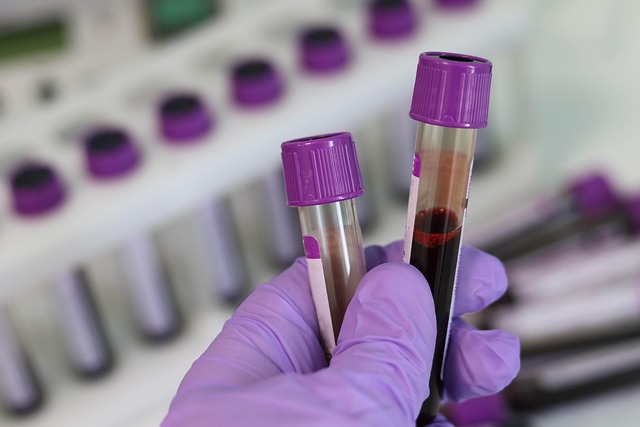
A single morning cortisol measurement, typically taken via blood, provides a snapshot of cortisol at its expected peak. This can be useful for screening conditions like Cushing’s syndrome (excess cortisol) or Addison’s disease (insufficient cortisol), where levels are significantly and consistently outside the normal range. For example, a morning cortisol level that is extremely low might suggest adrenal insufficiency, which can certainly cause profound fatigue. Conversely, an abnormally high morning reading could indicate a hypercortisol state.
However, many individuals with fatigue don’t fit neatly into these extreme diagnostic categories. Their cortisol might be within the “normal” range at one point but exhibit an abnormal pattern throughout the day. This is where the practical implications of testing become nuanced. A single morning test might miss these subtle yet impactful disruptions to the diurnal rhythm of cortisol. If your fatigue is accompanied by symptoms like difficulty falling asleep, waking up feeling unrefreshed, or an afternoon energy crash, a more comprehensive assessment of cortisol’s daily fluctuations might offer more insight than a single morning value. The trade-off is often between the convenience and lower cost of a single blood draw versus the more detailed, but potentially more involved, 4-point saliva test.
Cortisol Test: What It Is, Purpose, Types & Results
A cortisol test measures the amount of cortisol in your body. The primary purpose of testing cortisol in the context of fatigue is to determine if your body’s stress response system, often referred to as the HPA (hypothalamic-pituitary-adrenal) axis, is functioning optimally. Dysregulation of this axis can lead to either consistently high or low cortisol, or an abnormal pattern of secretion, all of which can contribute to fatigue.
There are several types of cortisol tests, each with its own methodology and implications:
- Blood Cortisol Test: This is the most common method offered in conventional medical settings. A blood sample is drawn, usually in the morning when cortisol levels are typically highest. The purpose is often to screen for overt conditions like Cushing’s or Addison’s disease. Results are usually reported in micrograms per deciliter (µg/dL).
- Saliva Cortisol Test: This method involves collecting saliva samples at specific times throughout the day. Saliva measures “free” or unbound cortisol, which is the biologically active form that cells can use. This makes it particularly useful for assessing the diurnal rhythm. Results are typically reported in nanomoles per liter (nmol/L) or picograms per milliliter (pg/mL).
- Urine Cortisol Test (24-hour): This test collects all urine over a 24-hour period. It provides an average of cortisol excretion over a full day, which can be helpful for assessing overall cortisol production, especially in cases of suspected Cushing’s syndrome.
- Hair Cortisol Test: This newer method measures cortisol levels in hair strands, offering a long-term retrospective view of cortisol exposure, often over several months. While promising for chronic stress assessment, its application in diagnosing acute or sub-acute fatigue related to cortisol imbalance is still evolving.
When reviewing cortisol test results, remember that “normal” ranges can differ slightly among laboratories. However, the overall pattern of cortisol production is consistently important. For instance, a typical morning blood cortisol level falls between 6 and 23 µg/dL. A saliva test might show morning levels around 10-20 nmol/L, which should then decline significantly throughout the day. Any results outside these expected ranges, or a disruption of this normal daily rhythm, could signal an underlying problem. For example, if your morning cortisol is low and stays low all day, or if it remains elevated into the evening, it might explain ongoing fatigue or sleep difficulties.
Cortisol Test: Understanding High vs. Low Cortisol Levels
Both excessively high and excessively low cortisol levels can contribute to fatigue, albeit through different mechanisms and with different accompanying symptoms. Understanding these distinctions is crucial for interpreting test results and navigating potential strategies.
High Cortisol Levels
Chronically elevated cortisol can result from prolonged stress, certain medical conditions, or medications. While cortisol is essential for the “fight or flight” response, sustained high levels can be detrimental.
Symptoms often associated with high cortisol:
- Fatigue despite adequate sleep: Feeling tired even after a full night’s rest.
- Difficulty sleeping or insomnia: Cortisol is naturally lower at night, promoting sleep. High evening cortisol can disrupt this.
- Increased anxiety or irritability: Cortisol influences neurotransmitters.
- Weight gain, especially around the abdomen: Cortisol can promote fat storage in this area.
- Muscle weakness or loss: High cortisol can break down muscle tissue.
- High blood pressure or blood sugar: Cortisol impacts metabolic processes.
From a fatigue perspective, high cortisol often leads to a feeling of being “wired and tired.” The body is constantly in a state of alert, draining energy reserves over time.
Low Cortisol Levels
Conversely, chronically low cortisol levels can also be debilitating. This can occur in conditions like Addison’s disease, but also in situations where the adrenal glands, or the HPA axis, have been under prolonged stress and are no longer able to produce adequate cortisol. Sometimes referred to as “adrenal fatigue” (though this is not a recognized medical diagnosis, the concept of HPA axis dysfunction is increasingly acknowledged), this state can severely impair daily functioning.
Symptoms often associated with low cortisol:
- Profound and persistent fatigue: Often described as an overwhelming exhaustion that isn’t relieved by rest.
- Difficulty waking up in the morning: Feeling utterly drained upon rising.
- Low blood pressure, especially upon standing (orthostatic hypotension): Cortisol helps regulate blood pressure.
- Salt cravings: Cortisol is linked to aldosterone, which regulates sodium.
- Dizziness or lightheadedness: Related to blood pressure regulation.
- Weakened immune function: Cortisol has immunomodulatory effects.
- Depression or apathy: Low energy can impact mood and motivation.
In cases of low cortisol, the body lacks the hormonal “boost” needed to respond to daily demands, leading to pervasive exhaustion.
It’s important to recognize that cortisol levels can also fluctuate, and a single high or low reading doesn’t tell the whole story. The pattern of cortisol secretion throughout the day is often more indicative of how it’s impacting your energy and well-being.
Cortisol Test: MedlinePlus Medical Test
MedlinePlus, a service of the National Library of Medicine, provides reliable information on various medical tests, including the cortisol test. Their guidance typically focuses on the standard blood or 24-hour urine tests primarily used for diagnosing established medical conditions like Cushing’s syndrome or Addison’s disease.
According to MedlinePlus, a cortisol test is often ordered when a healthcare provider suspects one of these conditions based on a constellation of symptoms. For instance, if someone presents with unexplained weight gain, muscle weakness, and high blood pressure, a cortisol test might be part of the diagnostic workup for Cushing’s. Conversely, if fatigue is severe and accompanied by weight loss, low blood pressure, and skin darkening, Addison’s disease might be suspected.
The MedlinePlus perspective emphasizes diagnostic clarity for well-defined diseases. It generally highlights the morning blood test as the primary screening tool due to its accessibility and established reference ranges for these conditions. While MedlinePlus acknowledges the importance of cortisol in the body, its focus is less on subtle HPA axis dysregulation that might contribute to fatigue without meeting the criteria for a full-blown disease. This is a key distinction when comparing it to the more nuanced applications of 4-point saliva testing, which aims to uncover patterns that might not be captured by a single morning blood draw.
For the health-conscious individual exploring reasons for fatigue, it’s beneficial to understand that while a MedlinePlus-described cortisol test is a foundational diagnostic tool, it may not encompass all the ways cortisol can impact energy.
Adrenal Fatigue vs. Cortisol Imbalance – Should You Test?
The term “adrenal fatigue” has gained popularity, particularly in alternative health circles, to describe a state of chronic fatigue, body aches, and other symptoms attributed to overworked adrenal glands unable to produce sufficient cortisol. However, “adrenal fatigue” is not an officially recognized medical diagnosis by mainstream endocrinology. The prevailing medical view is that the adrenal glands either function normally or they fail, leading to conditions like Addison’s disease (adrenal insufficiency) or Cushing’s syndrome (excess cortisol).
Despite the controversy surrounding the term, the concept of a cortisol imbalance or HPA axis dysfunction is increasingly acknowledged. This refers to a spectrum of dysregulation in the communication pathway between the hypothalamus, pituitary gland, and adrenal glands, which can lead to inappropriate cortisol secretion patterns. This dysregulation might not result in full-blown adrenal insufficiency or excess, but it can still profoundly impact energy, sleep, mood, and overall well-being.
Should you test for cortisol imbalance if you suspect “adrenal fatigue”?
If you are experiencing persistent fatigue and other related symptoms, testing can be a valuable step, regardless of the terminology used. The goal isn’t necessarily to diagnose “adrenal fatigue” but to understand your body’s cortisol rhythm and identify any patterns that deviate from optimal function.
Here’s why testing can be beneficial:
- Provides objective data: Instead of guessing, testing offers concrete information about your cortisol levels.
- Guides intervention: If a pattern of high evening cortisol is identified, strategies to promote evening relaxation and sleep hygiene might be emphasized. If morning cortisol is consistently low, interventions to support healthy morning energy might be explored.
- Rules out other conditions: While not a direct diagnosis of “adrenal fatigue,” testing can help rule out more severe adrenal conditions or provide clues that point to other underlying issues.
- Empowers you with information: Understanding your body’s unique hormonal landscape can help you make more informed decisions about lifestyle, diet, and stress management.
The choice of test (morning blood vs. 4-point saliva) becomes particularly relevant here. For assessing HPA axis dysfunction or “adrenal fatigue” patterns, the 4-point saliva test is often preferred because it reveals the pattern of cortisol throughout the day, which a single morning blood draw cannot.
Tired All the Time? Get an Adrenal Fatigue Test
If you are “tired all the time,” and other common causes like iron deficiency, thyroid dysfunction, or sleep apnea have been ruled out, exploring your cortisol levels, particularly the diurnal rhythm, can be a logical next step. While the term “adrenal fatigue test” is often used interchangeably with cortisol rhythm testing, it’s more accurate to consider it a test for HPA axis function or cortisol rhythm assessment.
Morning Cortisol Test: The Snapshot Approach
A single morning blood cortisol test is the most common initial assessment in conventional medicine for adrenal function.
Pros:
- Widely available and covered by insurance: Easily accessible through most doctors.
- Good for screening extremes: Effective at identifying overt conditions like Addison’s disease (very low morning cortisol) or Cushing’s syndrome (very high morning cortisol).
- Simple and convenient: Requires only one blood draw.
Cons:
- Limited information: Provides only a single data point, missing the crucial diurnal rhythm.
- Can be misleading for fatigue: A “normal” morning level doesn’t mean the rest of the day’s pattern is healthy or that it’s not contributing to fatigue. You could have a normal morning level but experience high evening cortisol that disrupts sleep or low afternoon cortisol that causes crashes.
- Stress of blood draw can elevate results: For some, the act of getting blood drawn can temporarily increase cortisol, affecting accuracy.
4-Point Saliva Cortisol Test: The Diurnal Rhythm Dive
The 4-point saliva test involves collecting saliva at four specific times throughout the day: typically upon waking, midday, late afternoon, and before bed. This allows for the assessment of the natural ebb and flow of cortisol.
Pros:
- Reveals diurnal rhythm: This is its greatest advantage, showing how cortisol rises in the morning, gradually declines, and is lowest at night. This pattern is critical for energy and sleep.
- Measures free (active) cortisol: Saliva measures the unbound, bioavailable cortisol that is actively impacting cells.
- Non-invasive and convenient: Can be done at home, reducing stress that might impact results.
- Better for subtle dysregulation: More effective at identifying HPA axis dysfunction that doesn’t fit the criteria for overt adrenal disease but significantly contributes to fatigue. For example, a “flat” curve (no significant drop throughout the day) or an “inverted” curve (higher at night than in the morning) can explain chronic fatigue and sleep issues.
Cons:
- Not always covered by insurance: May be an out-of-pocket expense.
- Requires careful timing: Accuracy depends on strict adherence to collection times.
- Less familiar to some conventional practitioners: May require seeking out a functional or integrative medicine practitioner for interpretation and guidance.
Comparison Guide: Morning Blood vs. 4-Point Saliva Testing
| Feature | Morning Blood Cortisol Test | 4-Point Saliva Cortisol Test |
|---|---|---|
| What it measures | Total cortisol (bound and unbound) at one specific time. | Free (active) cortisol at four specific times. |
| Primary Use | Screening for overt adrenal diseases (Addison’s, Cushing’s). | Assessing diurnal cortisol rhythm and HPA axis function. |
| Information Provided | A single snapshot of morning cortisol. | A comprehensive picture of cortisol’s daily pattern. |
| Best for Fatigue | Less effective for subtle fatigue causes; good for extreme adrenal conditions. | More effective for identifying patterns contributing to chronic fatigue, sleep issues, and stress-related symptoms. |
| Convenience | One-time blood draw at a lab. | At-home collection over a day, requires strict timing. |
| Cost & Coverage | Often covered by insurance; generally lower cost. | Less likely to be covered by insurance; higher cost. |
| Interpretation | Straightforward for extreme highs/lows. | Requires understanding of diurnal patterns; often needs an integrative practitioner. |
Ultimately, for someone experiencing persistent fatigue, especially if accompanied by sleep disturbances, energy crashes, or difficulty managing stress, the 4-point saliva test offers a more comprehensive and potentially more insightful assessment of cortisol’s role. While a morning blood test can rule out severe adrenal conditions, it often doesn’t provide enough detail to understand the nuances of HPA axis dysfunction that commonly contribute to chronic fatigue.
FAQ
Does Vitamin D Reduce Cortisol?
While Vitamin D is crucial for numerous bodily functions, including immune health and bone density, its direct role in reducing elevated cortisol levels isn’t straightforward or a primary mechanism. However, there’s an indirect relationship: Vitamin D deficiency can be a stressor on the body, and addressing any deficiency can support overall physiological balance, which in turn might help the body manage stress more effectively and potentially modulate cortisol response. It’s more accurate to say that optimal Vitamin D levels support overall health, which includes a healthy stress response, rather than it being a direct cortisol-reducing agent.
What Foods Raise Cortisol Levels?
Certain dietary patterns and specific foods can influence cortisol levels, often indirectly through their impact on blood sugar, inflammation, or gut health. Foods that can potentially contribute to elevated cortisol include:
- High sugar and refined carbohydrates: These can lead to rapid blood sugar spikes and crashes, which the body perceives as a stressor, prompting cortisol release to stabilize blood sugar.
- Excessive caffeine: While a moderate amount of caffeine can be stimulating, too much can overstimulate the adrenal glands and contribute to chronic cortisol elevation, especially if consumed late in the day.
- Highly processed foods and unhealthy fats: These can contribute to systemic inflammation, which is a known stressor on the body and can influence cortisol production.
- Irregular meal patterns or skipping meals: This can cause blood sugar fluctuations and stress the body, leading to cortisol release.
Focusing on a balanced diet rich in whole foods, lean proteins, healthy fats, and complex carbohydrates can help stabilize blood sugar and support overall hormonal balance, which indirectly helps regulate cortisol.
Which Emotions Release Cortisol?
Cortisol is primarily released in response to stress. Therefore, any emotions associated with stress, fear, anxiety, or anger can trigger cortisol release. This is part of the body’s natural “fight or flight” response. Specific emotions that commonly lead to cortisol elevation include:
- Fear and anxiety: Anticipation of danger or threat, whether real or perceived.
- Anger and frustration: Emotional responses to perceived injustice or obstacles.
- Sadness and grief: Chronic emotional pain and distress can also activate the stress response.
- Excitement (in excess): Even positive stress, like intense excitement or anticipation, can lead to a temporary cortisol increase.
The key factor is the body’s perception of a challenge or threat. Chronic exposure to these emotions, without adequate recovery or coping mechanisms, can lead to sustained high cortisol levels.
Conclusion
When navigating persistent fatigue, understanding your body’s cortisol patterns can be a crucial piece of the puzzle. While a single morning cortisol blood test is an accessible and often insurance-covered option for screening severe adrenal conditions, it offers a limited view, especially for the more nuanced energy disruptions many women experience. For a comprehensive understanding of how your cortisol levels fluctuate throughout the day and how this might be contributing to your fatigue, sleep issues, or stress resilience, a 4-point saliva cortisol test offers significantly more insight.
Ultimately, the “better” test depends on the specific context and the level of detail required. If severe adrenal disease is suspected, a morning blood test is a logical starting point. However, for those seeking to understand chronic fatigue, especially when other common causes have been ruled out, and who suspect HPA axis dysregulation, the 4-point saliva test provides the valuable diurnal rhythm data needed to inform more targeted interventions. Consulting with a healthcare practitioner who understands both testing methods and can interpret results in the context of your overall health and symptoms is key to determining the most appropriate next steps.