
Hair loss can be a distressing symptom, and for many women, it’s often a sign of underlying hormonal imbalances. Polycystic Ovary Syndrome (PCOS) and thyroid disorders are two common conditions that can manifest with significant hair thinning or loss. While both can lead to similar visible effects, the mechanisms behind them differ, requiring distinct diagnostic approaches and treatment strategies. Understanding whether your hair loss stems from PCOS, a thyroid imbalance, or a combination of both is crucial for effective management. This article explains the specifics of hair loss related to each condition, discuss identifying the root cause, and outline potential treatment pathways.
Table of Contents
- Management of Hair Loss in Polycystic Ovary Syndrome
- PCOS Hair Loss: Effective Treatment Options for Hair Loss
- Dealing with Thyroid-Related Hair Loss
- The Relationship Between Hormone Imbalance, PCOS, and Thyroid Issues
- Conditions That Can Cause Body Hair Loss
- PCOS Hair Loss: Effective Treatments That Work
- When to Talk to a Doctor about Hair Loss
- FAQ
- Conclusion
Management of Hair Loss in Polycystic Ovary Syndrome
Hair loss in PCOS often presents as androgenic alopecia, or female pattern hair loss, characterized by thinning on the top of the scalp, particularly around the part line, while the hairline typically remains intact. This differs from male pattern baldness where the hairline recedes. The primary driver of this type of hair loss in PCOS is elevated levels of androgens—male hormones like testosterone—in women.
Androgens, when present in excess, can miniaturize hair follicles on the scalp, causing them to produce thinner, shorter, and finer hairs over time, eventually leading to dormancy. This process is complex and involves the conversion of testosterone into dihydrotestosterone (DHT) by the enzyme 5-alpha reductase. DHT is particularly potent in its effect on susceptible hair follicles.
Managing PCOS-related hair loss typically involves addressing the underlying hormonal imbalance. This is not a quick fix; hair growth cycles are long, and it can take months, or even over a year, to see significant improvement. For instance, a woman with PCOS experiencing hair thinning might be prescribed oral contraceptives. These medications can help regulate periods and reduce androgen levels by increasing sex hormone-binding globulin (SHBG), a protein that binds to testosterone, making it less available to hair follicles. Another common approach involves anti-androgen medications like spironolactone. Spironolactone works by blocking androgen receptors and inhibiting androgen production, thereby reducing their impact on hair follicles.
However, these treatments come with considerations. Oral contraceptives might not be suitable for everyone, especially those with certain health risks or who are trying to conceive. Spironolactone can have side effects such as frequent urination, dizziness, or breast tenderness, and it’s contraindicated during pregnancy due to potential effects on fetal development. The choice of treatment often involves a discussion with a healthcare provider about individual symptoms, family planning goals, and potential side effects. Lifestyle interventions, including dietary changes and exercise, can also play a supportive role by improving insulin sensitivity, which in turn can help reduce androgen levels.
PCOS Hair Loss: Effective Treatment Options for Hair Loss
Effective treatment for PCOS hair loss focuses on reducing androgen levels and counteracting their effects on hair follicles. This often involves a multi-pronged approach that combines medication, lifestyle modifications, and sometimes topical treatments.
One of the most common medical interventions involves hormonal therapies. As mentioned, combination birth control pills can be effective by suppressing ovarian androgen production and increasing SHBG. Another option is spironolactone, an anti-androgen medication. It’s often prescribed in varying dosages, starting low and increasing as tolerated, to manage androgen excess. For example, a woman might start with 25mg daily and gradually increase to 100mg or more, depending on her response and side effects. It’s important to note that spironolactone can take several months to show noticeable effects on hair growth.
Beyond systemic medications, topical treatments like minoxidil (Rogaine) can be used. Minoxidil is an over-the-counter solution or foam that is applied directly to the scalp. It works by prolonging the growth phase of hair follicles and increasing their size. While it doesn’t address the underlying hormonal cause of PCOS hair loss, it can stimulate existing follicles and improve hair density. For instance, applying 5% minoxidil foam once daily has shown efficacy in women with androgenic alopecia, though consistent use is necessary to maintain results. If stopped, hair loss typically resumes.
Lifestyle modifications are also critical. A diet low in refined carbohydrates and sugars can help improve insulin resistance, a common feature of PCOS that contributes to elevated androgen levels. Regular physical activity also aids in insulin sensitivity and weight management, which can indirectly help reduce androgen production. For example, a woman adopting a Mediterranean-style diet and engaging in moderate exercise three to four times a week might see improvements not only in her hair but also in other PCOS symptoms like irregular periods and acne.
Emerging treatments and adjunctive therapies include nutraceuticals and supplements, though their efficacy for PCOS hair loss is less robustly established compared to hormonal therapies. Some women explore supplements like saw palmetto, which is thought to have anti-androgenic properties, or biotin and marine collagen for general hair health. However, these should be discussed with a doctor, as they can interact with other medications or have their own side effects.
Dealing with Thyroid-Related Hair Loss
Thyroid-related hair loss, unlike PCOS hair loss, is typically a diffuse shedding across the entire scalp, rather than concentrated thinning at the crown. It often manifests as telogen effluvium, a condition where a significant number of hair follicles prematurely enter the resting (telogen) phase and then shed. This can be triggered by both an underactive thyroid (hypothyroidism) and an overactive thyroid (hyperthyroidism).
In both cases, the disruption to normal metabolic processes impacts the hair growth cycle. The thyroid hormones, thyroxine (T4) and triiodothyronine (T3), are crucial for cell growth and metabolism throughout the body, including hair follicles. When these hormones are out of balance, the hair follicles can suffer, leading to shedding. For instance, in hypothyroidism, the slowed metabolism can cause hair follicles to remain in the resting phase for too long, or to enter it prematurely. In hyperthyroidism, the accelerated metabolism can also disrupt the cycle, leading to fragile hair and increased shedding.
The most effective way to address thyroid-related hair loss is to treat the underlying thyroid condition. This means working with an endocrinologist or primary care physician to normalize thyroid hormone levels. For hypothyroidism, this typically involves daily thyroid hormone replacement medication, such as levothyroxine. For hyperthyroidism, treatment might include anti-thyroid medications, radioactive iodine therapy, or surgery, depending on the specific cause and severity.
Once thyroid levels are consistently within the normal range, hair growth usually resumes, though this can take several months. Hair follicles have a relatively long life cycle, so the effects of treatment are not immediate. A person might not see significant regrowth for 3 to 6 months after their thyroid levels stabilize. For example, a woman diagnosed with Hashimoto’s thyroiditis (a common cause of hypothyroidism) who begins taking levothyroxine might notice a reduction in shedding after a few months and gradual regrowth over the course of a year. Patience and consistent monitoring of thyroid hormone levels are key.
It’s also important to consider other factors that might exacerbate hair loss in thyroid patients, such as nutrient deficiencies (e.g., iron, vitamin D) which can sometimes co-occur with thyroid disorders. A doctor might recommend blood tests to check for these deficiencies and suggest appropriate supplementation if needed.
The Relationship Between Hormone Imbalance, PCOS, and Thyroid Issues
The interplay between hormonal imbalances, PCOS, and thyroid dysfunction is complex. Both conditions involve the endocrine system, and disruptions in one area can sometimes influence others. It’s not uncommon for women with PCOS to also have thyroid issues, and vice versa, making differential diagnosis challenging.
PCOS is fundamentally a disorder of androgen excess, often linked to insulin resistance. This hormonal environment can, in some cases, affect thyroid function. For example, some studies suggest a higher prevalence of autoimmune thyroid conditions, like Hashimoto’s thyroiditis, in women with PCOS. The chronic low-grade inflammation associated with PCOS might play a role in this increased susceptibility.
Conversely, thyroid dysfunction can mimic or exacerbate PCOS symptoms. An underactive thyroid, for instance, can lead to irregular periods, weight gain, and fatigue, which are also common symptoms of PCOS. This overlap can make it difficult to pinpoint the primary cause of symptoms, including hair loss.
Consider a scenario where a woman experiences irregular periods, weight gain, and hair thinning. Initial blood tests might reveal elevated androgens consistent with PCOS. However, if a full thyroid panel isn’t performed, a co-existing subclinical hypothyroidism could be missed. If only the PCOS is treated, the hair loss might not fully resolve because the thyroid component is still active. This highlights the importance of comprehensive diagnostic testing when evaluating these symptoms.
The relationship can be visualized as a spectrum, where imbalances in one system can create ripple effects:
| Hormonal System | Primary Imbalance | Potential Impact on Other System |
|---|---|---|
| PCOS | High Androgens | Increased risk of autoimmune thyroiditis; can worsen insulin resistance affecting overall metabolism, including thyroid. |
| Thyroid | Hypo/Hyperthyroidism | Can mimic PCOS symptoms (irregular periods, weight gain); can affect metabolic pathways that influence sex hormone balance. |
Understanding this interconnectedness is vital for accurate diagnosis and holistic treatment. Healthcare providers often need to consider a patient’s full symptom profile and conduct a range of hormone tests to differentiate between these conditions or identify co-occurring disorders.
Conditions That Can Cause Body Hair Loss
While PCOS and thyroid issues are major players in hair loss, it’s important to recognize that hair loss, including body hair loss, can stem from various other medical conditions and factors. This understanding helps in a comprehensive diagnostic process and avoids attributing all hair loss solely to PCOS or thyroid dysfunction.
Other conditions that can cause hair loss include:
- Nutritional Deficiencies: Iron deficiency anemia is a very common cause of hair thinning and loss, both on the scalp and sometimes body hair. Deficiencies in B vitamins, vitamin D, and zinc can also impact hair health. For example, someone following a restrictive diet might develop iron deficiency, leading to diffuse hair shedding.
- Autoimmune Conditions: Beyond Hashimoto’s thyroiditis (which is autoimmune), other autoimmune diseases like Alopecia Areata can cause patchy hair loss on the scalp and body. Lupus can also lead to hair thinning.
- Stress (Telogen Effluvium): Significant physical or emotional stress, such as major surgery, childbirth, severe illness, or extreme psychological trauma, can trigger a sudden, widespread shedding of hair (telogen effluvium). This is temporary, and hair typically regrows once the stressor is resolved.
- Medications: Many medications list hair loss as a side effect. These include certain antidepressants, blood thinners, chemotherapy drugs, and some drugs used to treat high blood pressure.
- Infections: Scalp infections, such as fungal infections (ringworm of the scalp), can cause localized hair loss.
- Other Endocrine Disorders: Conditions like adrenal insufficiency or pituitary disorders can also affect hormone balance and lead to hair changes.
- Hair Care Practices: Traction alopecia, caused by tight hairstyles that pull on the hair follicles, can lead to localized hair loss, particularly around the hairline. Excessive heat styling or chemical treatments can also damage hair, leading to breakage and apparent thinning.
When a woman presents with hair loss, a thorough medical history, physical examination, and targeted blood tests are essential. This might involve checking iron levels, inflammatory markers, and a broader hormone panel beyond just thyroid and sex hormones, depending on the presenting symptoms. For instance, if a woman reports sudden, patchy hair loss, a dermatologist might consider a biopsy to rule out alopecia areata, even if she has a history of PCOS. The goal is to systematically rule out other potential causes to arrive at an accurate diagnosis and guide appropriate treatment.
PCOS Hair Loss: Effective Treatments That Work
Effective treatments for PCOS hair loss are centered around managing androgen excess and promoting healthy hair growth. These strategies often require patience and consistency to yield noticeable results.
Pharmaceutical Interventions
- Oral Contraceptives: Combination birth control pills are frequently prescribed. They work by suppressing ovarian androgen production and increasing sex hormone-binding globulin (SHBG), which binds to free testosterone, making it less available to hair follicles. This helps reduce the androgenic effect on hair. A common example would be a low-dose estrogen and progestin pill, chosen for its anti-androgenic properties.
- Anti-Androgens: Spironolactone is a diuretic often used off-label for its anti-androgenic effects. It blocks androgen receptors and inhibits enzymes involved in androgen synthesis. Dosages typically range from 25mg to 200mg daily, titrated based on individual response and side effects. Other anti-androgens like finasteride (though less commonly used in women due to potential side effects and birth defect risks) or flutamide may also be considered in severe cases, always under strict medical supervision.
- Minoxidil (Topical): Available over-the-counter as a 2% or 5% solution or foam, minoxidil is applied directly to the scalp. It works by stimulating hair follicles and prolonging the anagen (growth) phase of the hair cycle. While it doesn’t address the underlying hormonal cause, it can significantly improve hair density and thickness. Consistent daily application is crucial, and results typically appear after 3-6 months. Cessation of use usually leads to reversal of benefits.
Lifestyle and Dietary Modifications
- Insulin Sensitizers: Since insulin resistance is a key driver of androgen excess in many women with PCOS, treatments that improve insulin sensitivity can indirectly help hair loss. Metformin, a medication for type 2 diabetes, is sometimes prescribed for PCOS to improve insulin sensitivity.
- Dietary Changes: A low glycemic index (GI) diet, rich in whole foods, lean proteins, and healthy fats, and low in refined carbohydrates and sugars, can help manage insulin resistance and consequently reduce androgen levels. For instance, swapping sugary drinks and processed snacks for whole fruits, vegetables, and lean protein sources can contribute to overall hormonal balance.
- Regular Exercise: Physical activity improves insulin sensitivity, aids in weight management, and can reduce stress, all of which can positively impact PCOS symptoms, including hair loss.
Hair Care Practices
- Gentle Hair Care: Avoiding harsh chemical treatments, excessive heat styling, and tight hairstyles can minimize further damage and breakage, preserving existing hair.
- Nutritional Support: While not a primary treatment, ensuring adequate intake of vitamins and minerals essential for hair health (e.g., iron, zinc, biotin, vitamin D) is important. A doctor can check for deficiencies and recommend supplements if necessary.
It’s important to understand that there isn’t a single “cure” for PCOS hair loss, but rather a management strategy aimed at controlling symptoms and promoting hair regrowth. Treatment plans are highly individualized and often involve a combination of the approaches listed above, determined in consultation with a healthcare provider. Regular follow-ups are essential to monitor progress and adjust treatments as needed.
When to Talk to a Doctor about Hair Loss
Hair loss is often more than just a cosmetic concern; it can be a significant indicator of underlying health issues. Knowing when to seek medical advice is crucial for accurate diagnosis and effective treatment.
You should consider consulting a doctor if you experience:
- Sudden or Rapid Hair Loss: If you notice a sudden increase in hair shedding, or if your hair is coming out in clumps, it warrants immediate medical attention. This could indicate an acute stressor, a severe nutrient deficiency, or an autoimmune condition.
- Patchy Hair Loss: The appearance of distinct bald patches, especially if they are smooth and round, could be a sign of alopecia areata or a fungal infection.
- Associated Symptoms: If your hair loss is accompanied by other symptoms such as irregular periods, excessive facial or body hair growth (hirsutism), acne, unexplained weight gain or loss, fatigue, changes in skin texture, changes in bowel habits, or intolerance to heat or cold, it’s highly advisable to see a doctor. These additional symptoms point towards a systemic issue like PCOS or a thyroid disorder.
- Scalp Changes: Itching, tenderness, redness, scaling, or sores on the scalp alongside hair loss should be evaluated by a dermatologist or doctor.
- No Obvious Cause: If you’ve ruled out obvious factors like new medications or extreme stress, and your hair loss persists or worsens, professional evaluation is necessary.
- Impact on Quality of Life: If hair loss is causing significant emotional distress, anxiety, or affecting your self-esteem, seeking support from a healthcare professional is important.
What to Expect at the Doctor’s Visit
When you consult a doctor (often a primary care physician, dermatologist, or endocrinologist), they will typically:
- Take a Detailed Medical History: They’ll ask about your hair loss pattern, duration, associated symptoms, family history of hair loss, medical conditions, medications, diet, and lifestyle.
- Perform a Physical Examination: This will include examining your scalp, hair, and looking for other signs of hormonal imbalances (e.g., acne, hirsutism, skin changes) or thyroid issues (e.g., tremors, changes in reflexes, goiter).
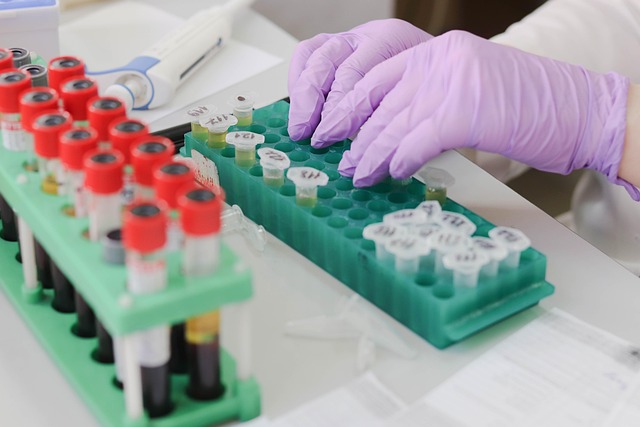
- Order Blood Tests:
- Thyroid Panel: TSH (Thyroid-Stimulating Hormone), free T3, free T4, and sometimes thyroid antibodies (for autoimmune conditions like Hashimoto’s or Graves’ disease).
- Androgen Levels: Total and free testosterone, DHEA-S, and sometimes 17-hydroxyprogesterone to assess for PCOS or other adrenal conditions.
- Nutrient Levels: Iron studies (ferritin, iron, TIBC), Vitamin D, Zinc, and Vitamin B12.
- Other Hormones: Prolactin, FSH, LH, and glucose/insulin levels might also be checked, especially if PCOS is suspected.
- Consider Other Tests: In some cases, a scalp biopsy or a hair pull test might be performed.
It’s helpful to come prepared with a list of your symptoms, medications, and any questions you have. Early detection and intervention can often prevent further hair loss and improve overall health outcomes.
FAQ
How do you treat thyroid hair loss?
Treating thyroid hair loss primarily involves addressing the underlying thyroid imbalance. For hypothyroidism (underactive thyroid), this means taking daily thyroid hormone replacement medication, typically levothyroxine, to restore hormone levels to a normal range. For hyperthyroidism (overactive thyroid), treatment might include anti-thyroid medications, radioactive iodine therapy, or surgery, depending on the cause. Once thyroid hormone levels are stable and within the healthy range, hair growth usually resumes, though it can take 3 to 6 months or longer to see significant regrowth due to the natural hair cycle.
Is Nutrafol safe for thyroid patients?
Nutrafol is a popular hair growth supplement that contains a blend of vitamins, minerals, and botanical ingredients. Generally, many of its ingredients, such as biotin, vitamin D, and various plant extracts, are considered safe for most people, including those with thyroid conditions. However, some ingredients might interact with thyroid medications or conditions. For example, some formulations of Nutrafol contain iodine, which can be problematic for individuals with certain thyroid conditions, especially those with autoimmune thyroid disease or iodine-induced hyperthyroidism. Additionally, biotin can interfere with thyroid function tests, leading to inaccurate results. It is crucial for anyone with a thyroid condition to consult their endocrinologist or primary care physician before starting Nutrafol or any other supplement, to ensure it won’t interfere with their medication or condition.
Can PCOS hair loss be reversed?
PCOS hair loss, often presenting as androgenic alopecia, can often be significantly managed and in many cases, partially reversed or improved, but complete reversal to pre-PCOS hair density is not always achievable. The key to improvement lies in effectively managing the underlying hormonal imbalances, specifically the elevated androgen levels. Treatments like anti-androgen medications (e.g., spironolactone), oral contraceptives, and topical minoxidil are often effective at reducing hair shedding and stimulating new growth. Lifestyle changes, such as a low glycemic index diet and regular exercise, which improve insulin sensitivity, also play a crucial role. Consistency with treatment is essential, and it can take several months to a year to see noticeable results. While treatment can lead to thicker, healthier hair, ongoing management is typically required to maintain these improvements.
Conclusion
Hair loss connected to PCOS and thyroid issues can feel overwhelming, but understanding the root causes is a crucial step toward effective management. Hormonal imbalances—whether from elevated androgens in PCOS or thyroid dysfunction—play a central role in disrupting the natural hair growth cycle. Recognizing the signs and symptoms of both conditions, along with appropriate testing, helps clarify the underlying drivers of hair thinning or shedding. Treatments that target these hormonal imbalances, including thyroid hormone replacement, anti-androgens, and lifestyle adjustments, can lead to significant improvements in hair health over time. It’s important to remember that hair regrowth often requires patience and consistent care, as the hair cycle naturally takes months to respond to treatment. Consulting with a healthcare provider ensures personalized guidance, safe use of supplements, and timely intervention when needed. Embracing a holistic approach that combines medical support with balanced nutrition and self-care empowers you to regain control over your hair health and overall well-being. Your journey toward stronger, healthier hair is a reflection of your resilience and dedication—keep moving forward with confidence and hope.