

For many women, navigating health concerns can feel like solving a complex puzzle, especially when symptoms overlap. Polycystic Ovary Syndrome (PCOS) and hypothyroidism are two distinct endocrine disorders that frequently present with similar complaints, making self-diagnosis difficult and professional evaluation essential. Both conditions can impact metabolism, hormonal balance, and overall well-being, leading to confusion about their root cause. Understanding the nuances of PCOS vs hypothyroidism symptoms is crucial for accurate diagnosis and effective management.
This article explores the characteristics of PCOS and hypothyroidism, highlighting their shared and unique symptoms. It also explains how medical professionals differentiate between these conditions, aiming to provide clear, evidence-based information for women seeking to understand their bodies and potential health challenges.
Table of Contents
- Hypothyroidism and PCOS: Overlapping Health Concerns
- Diagnosing PCOS: The Link Between Hypothyroidism and Shared Symptoms
- Thyroid Disorders and Polycystic Ovary Syndrome: A Closer Look at the Connection
- PCOS Thyroid Connection: Diagnostic Pathways
- PCOS and Hypothyroidism: What’s the Connection?
- Polycystic Ovary Syndrome, Subclinical Hypothyroidism, and Management
- FAQ
- Conclusion
Hypothyroidism and PCOS: Overlapping Health Concerns
Both hypothyroidism and PCOS are chronic conditions that affect millions of women worldwide. While they stem from different physiological origins, their symptomatic profiles often intersect, creating diagnostic challenges.
Hypothyroidism, an underactive thyroid, occurs when the thyroid gland doesn’t produce enough thyroid hormones. These hormones are critical for regulating metabolism, energy production, body temperature, and the function of nearly every organ system. When thyroid hormone levels are low, bodily processes slow down.
PCOS, on the other hand, is a complex hormonal disorder characterized by a combination of menstrual irregularities, elevated androgen (male hormone) levels, and/or polycystic ovaries on ultrasound. It’s often associated with insulin resistance and can affect fertility, skin health, and metabolic function.
The overlap in symptoms is significant, encompassing issues like weight gain, fatigue, hair changes, and mood disturbances. This shared presentation underscores why a thorough medical investigation is necessary rather than relying solely on self-assessment.
Diagnosing PCOS: The Link Between Hypothyroidism and Shared Symptoms
Accurate diagnosis for both PCOS and hypothyroidism relies on a combination of symptom evaluation, physical examination, and laboratory tests. It’s not uncommon for women to experience symptoms that could point to either condition, or even both simultaneously.
Common Overlapping Symptoms
Several symptoms are frequently reported in women with both PCOS and hypothyroidism, complicating the initial diagnostic picture:
- Weight Gain: Both conditions can slow metabolism, leading to difficulty losing weight or unexplained weight gain, often around the midsection.
- Fatigue and Low Energy: Persistent tiredness, even after adequate rest, is a hallmark of an underactive metabolism, whether due to insufficient thyroid hormones or the metabolic dysregulation seen in PCOS.
- Hair Changes: Hair loss or thinning is common in hypothyroidism. In PCOS, elevated androgens can cause androgenic alopecia (male-pattern baldness), which also presents as thinning hair, particularly at the temples and crown.
- Menstrual Irregularities: Hypothyroidism can disrupt the menstrual cycle, leading to irregular, heavy, or absent periods. PCOS is defined, in part, by menstrual dysfunction, typically irregular or absent periods due to anovulation (lack of ovulation).
- Mood Changes: Depression, anxiety, and irritability are reported in both conditions, likely due to hormonal imbalances affecting brain chemistry.
- Cold Intolerance: Feeling unusually cold is a classic symptom of hypothyroidism due to a slowed metabolism impacting body temperature regulation. While less common, some women with PCOS may also report temperature sensitivities.
- Constipation: A sluggish digestive system is a common complaint in hypothyroidism. While not a primary symptom of PCOS, metabolic changes can sometimes contribute to digestive issues.
Unique Symptoms for Differentiation
Despite the overlap, each condition also presents with distinct symptoms that help guide diagnosis:
PCOS-Specific Symptoms:
- Hirsutism: Excess body hair growth in a male pattern (e.g., face, chest, back, abdomen) due to elevated androgens.
- Acne: Persistent, often severe, acne, particularly along the jawline, chin, and back, driven by androgen excess.
- Oily Skin: Increased sebum production leading to shiny, greasy skin.
- Acanthosis Nigricans: Darkening and thickening of skin in body folds (neck, armpits, groin) due to insulin resistance.
- Polycystic Ovaries: The presence of multiple small cysts on the ovaries, visible on ultrasound, though not all women with PCOS have these, and not all women with polycystic ovaries have PCOS.
- Infertility/Difficulty Conceiving: Primarily due to chronic anovulation.
Hypothyroidism-Specific Symptoms:
- Dry Skin and Brittle Nails: A common sign of slowed metabolism affecting skin and nail health.
- Hoarseness or Deepening Voice: Can be caused by swelling of the vocal cords due to fluid retention.
- Goiter: An enlarged thyroid gland, sometimes visible as a lump in the neck.
- Puffiness in the Face (Myxedema): Swelling, particularly around the eyes, due to fluid retention in tissues.
- Muscle Aches and Weakness: Generalized muscle pain and reduced strength.
- Memory Problems/Brain Fog: Difficulty concentrating or remembering things.
Thyroid Disorders and Polycystic Ovary Syndrome: A Closer Look at the Connection
While distinct, there’s a recognized connection between thyroid disorders and PCOS. Research suggests that women with PCOS have a higher prevalence of autoimmune thyroiditis (Hashimoto’s thyroiditis), the most common cause of hypothyroidism. The exact reasons for this increased co-occurrence are still being investigated, but genetic predispositions, inflammatory processes, and insulin resistance may play roles.
It’s also important to note that subclinical hypothyroidism, a milder form of underactive thyroid where TSH levels are elevated but free thyroid hormones are still within normal range, is also more common in women with PCOS. Subclinical hypothyroidism can contribute to some of the general symptoms like fatigue and weight gain, and can worsen insulin resistance, which is central to PCOS.
This interplay means that a diagnosis of one condition should prompt screening for the other, especially if symptoms are persistent or not fully explained by the primary diagnosis.
PCOS Thyroid Connection: Diagnostic Pathways
When a woman presents with symptoms suggestive of either PCOS or hypothyroidism, a doctor will initiate a diagnostic process. This typically involves:
- Thorough Medical History and Physical Examination: The doctor will ask about symptoms, menstrual history, family history of endocrine disorders, and perform a physical exam, looking for signs like hirsutism, acne, skin changes, or thyroid enlargement.
- Blood Tests:
- For Hypothyroidism:
- Thyroid-Stimulating Hormone (TSH): The most sensitive initial test. High TSH indicates the pituitary gland is working harder to stimulate an underactive thyroid.
- Free T4 (Thyroxine): Measures the amount of active thyroid hormone available to tissues. Low Free T4 confirms hypothyroidism.
- Thyroid Antibodies (e.g., Anti-TPO, Anti-Tg): To check for autoimmune thyroiditis (Hashimoto’s).
- For PCOS:
- Androgen Levels: Total and free testosterone, DHEA-S, and androstenedione to check for elevated male hormones.
- LH and FSH: Luteinizing hormone and follicle-stimulating hormone ratios can be disrupted in PCOS.
- Prolactin: To rule out other causes of menstrual irregularities.
- Glucose and Insulin Levels: Fasting glucose, insulin, and an oral glucose tolerance test to assess for insulin resistance.
- Lipid Panel: To check for dyslipidemia, common in PCOS.
- Other Hormones: Thyroid function tests are often ordered when investigating PCOS symptoms to rule out thyroid issues as the cause of menstrual irregularities or weight gain. Conversely, androgen levels may be checked if a woman with hypothyroidism also presents with hirsutism or severe acne.
- For Hypothyroidism:
- Ultrasound: A transvaginal ultrasound is often used to visualize the ovaries and check for polycystic morphology, which is one of the diagnostic criteria for PCOS.
PCOS and Hypothyroidism: What’s the Connection?
The connection between PCOS and hypothyroidism is not merely symptomatic overlap; there’s a biological interplay. As mentioned, the increased prevalence of autoimmune thyroid conditions in women with PCOS suggests a shared underlying susceptibility, possibly genetic or inflammatory. Both conditions are also linked to metabolic syndrome, insulin resistance, and chronic inflammation.
Insulin resistance, a core feature of PCOS, can potentially influence thyroid function. High insulin levels can impact the pituitary gland’s regulation of TSH and may exacerbate thyroid issues. Conversely, hypothyroidism can worsen insulin resistance and contribute to weight gain, creating a cycle that can complicate both conditions.
Understanding this connection is vital for comprehensive management. Treating one condition can sometimes improve aspects of the other, but often, both require specific attention. For example, managing insulin resistance in PCOS might indirectly improve thyroid function, and treating hypothyroidism can alleviate symptoms that overlap with PCOS, such as fatigue and weight gain, making it easier to pinpoint other PCOS-specific issues.
Polycystic Ovary Syndrome, Subclinical Hypothyroidism, and Management
Given the potential for co-occurrence and overlapping symptoms, a holistic approach to diagnosis and management is often most effective.
Diagnostic Criteria
Here’s a simplified look at the diagnostic criteria for each:
PCOS (Rotterdam Criteria, most commonly used): At least two of the following:
- Oligo- or anovulation (irregular or absent periods)
- Clinical or biochemical signs of hyperandrogenism (e.g., hirsutism, acne, high testosterone levels)
- Polycystic ovaries on ultrasound (12 or more follicles 2-9mm in diameter in one or both ovaries, and/or increased ovarian volume >10 mL)
- Exclusion of other androgen-excess disorders (e.g., thyroid dysfunction, congenital adrenal hyperplasia, androgen-secreting tumors) is crucial.
Hypothyroidism:
- Elevated TSH levels.
- Low free T4 levels (for overt hypothyroidism).
- Normal T4 with elevated TSH (for subclinical hypothyroidism).
- Presence of thyroid antibodies (for Hashimoto’s thyroiditis).
Key Differences and Similarities in Symptoms
To aid in distinguishing between the two, here’s a comparative table of common symptoms:
| Symptom Category | PCOS | Hypothyroidism | Overlap/Distinguishing Factors |
|---|---|---|---|
| Menstrual Cycle | Irregular, absent periods (anovulation) | Irregular, heavy, or absent periods | Both cause irregularities. PCOS is often due to anovulation; hypothyroidism due to generalized metabolic disruption. |
| Weight | Weight gain, difficulty losing weight | Weight gain, difficulty losing weight | Both can slow metabolism. PCOS often linked to insulin resistance; hypothyroidism to decreased basal metabolic rate. |
| Hair | Hirsutism (excess body hair), hair thinning/loss (androgenic alopecia) | Hair loss/thinning (generalized), dry/brittle hair | Hirsutism is a strong indicator of PCOS. Generalized hair thinning can occur in both. |
| Skin | Acne, oily skin, acanthosis nigricans | Dry skin, brittle nails, puffy face | Acne/oily skin/acanthosis nigricans are more specific to PCOS. Dry skin/puffy face are more specific to hypothyroidism. |
| Energy & Mood | Fatigue, mood swings, depression, anxiety | Fatigue, depression, brain fog, cold intolerance | Fatigue and mood issues are common to both. Brain fog and pronounced cold intolerance are more characteristic of hypothyroidism. |
| Reproductive | Infertility (due to anovulation) | Can impact fertility (less direct than PCOS) | PCOS is a primary cause of anovulatory infertility. Hypothyroidism can affect fertility by disrupting cycles but is often secondary to the direct hormonal impact of PCOS. |
| Other Distinctions | Cravings (especially for carbs), blood sugar issues, ovarian cysts on ultrasound | Muscle aches, hoarse voice, goiter, memory problems | Cravings and insulin resistance are central to PCOS. Muscle aches, voice changes, and goiter are more indicative of hypothyroidism. |
When to Talk to a Doctor
If you are experiencing any of the symptoms discussed, particularly if they are persistent, worsening, or impacting your quality of life, it is crucial to consult a healthcare professional. This is especially true if you have:
- Unexplained weight changes (gain or loss).
- Persistent fatigue that doesn’t improve with rest.
- Significant changes in your menstrual cycle.
- New or worsening hair growth patterns or hair loss.
- Concerns about fertility.
- Family history of thyroid disorders or PCOS.
A doctor, ideally an endocrinologist or gynecologist with experience in hormonal disorders, can conduct the necessary tests to differentiate between PCOS and hypothyroidism and develop an appropriate treatment plan tailored to your specific diagnosis and needs. Self-diagnosis can lead to delays in treatment and potentially worsen health outcomes.
FAQ
How do I know if I have PCOS or hypothyroidism?
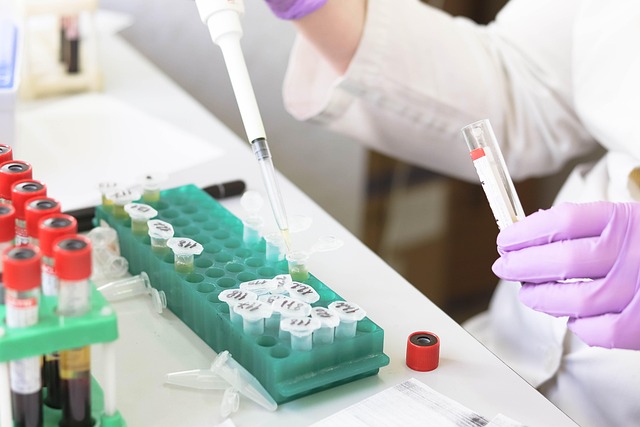
You cannot definitively know without medical testing. While you can recognize common symptoms, many overlap. A doctor will conduct blood tests for thyroid hormones (TSH, Free T4) and reproductive hormones (testosterone, LH, FSH, etc.), along with a physical exam and potentially an ultrasound of your ovaries, to differentiate between the two conditions.
Does PCOS qualify you for Ozempic?
Ozempic (semaglutide) is an FDA-approved medication primarily for managing type 2 diabetes and, at a higher dose (Wegovy), for chronic weight management. While PCOS is often associated with insulin resistance and can lead to weight gain, Ozempic is not specifically approved for PCOS treatment. However, if a woman with PCOS also has type 2 diabetes or meets the criteria for chronic weight management, her doctor might consider prescribing it. This is a decision made on an individual basis by a healthcare provider after assessing the patient’s specific metabolic profile and health needs.
What is a thyroid belly?
“Thyroid belly” is a colloquial term, not a medical diagnosis. It refers to the abdominal weight gain and bloating that can occur with hypothyroidism. When thyroid hormone levels are low, metabolism slows down, leading to weight gain, fluid retention, and constipation, all of which can contribute to a larger or more distended abdomen. It’s not a unique type of fat but rather a symptom of general metabolic slowdown and fluid retention caused by an underactive thyroid.
Conclusion
Distinguishing between PCOS and hypothyroidism based solely on symptoms can be challenging due to their significant overlap. Both conditions can manifest with fatigue, weight gain, hair issues, and menstrual irregularities, impacting a woman’s health and quality of life. However, distinct symptoms such as hirsutism and acne in PCOS, versus dry skin and cold intolerance in hypothyroidism, provide clues.
The increased co-occurrence of these conditions further complicates the picture, necessitating a comprehensive diagnostic approach. For any woman experiencing persistent symptoms suggestive of hormonal imbalance, the most critical step is to consult a healthcare professional. Timely and accurate diagnosis through medical history, physical examination, and specific blood tests is essential for effective management and to prevent potential long-term health complications associated with both PCOS and hypothyroidism. Understanding these differences empowers you to advocate for your health and partner with your doctor in navigating your symptom journey.