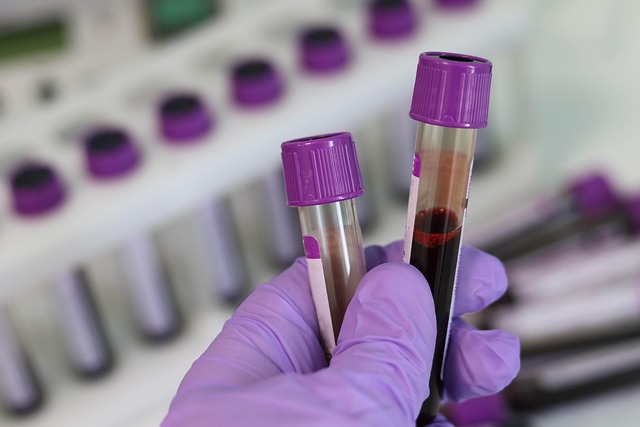


Understanding your hormone lab results can feel like deciphering a complex code. For many health-conscious women, the expectation is that a doctor will interpret these numbers and provide clear answers. However, there are instances where the interpretation might feel incomplete, or the recommended course of action doesn’t align with persistent symptoms. This is precisely when recognizing “hormone testing red flags” in your lab results becomes crucial, signaling that a second opinion could be beneficial.
This article examines common situations where your hormone test results, or the conversation surrounding them, might signal a need for further inquiry. The goal isn’t to undermine medical professionals, but to equip you with the knowledge to advocate for your health when something feels amiss. We’ll explore specific markers, frequent interpretation errors, and actionable steps for navigating these scenarios.
Table of Contents
- Recognizing Health Red Flags: The Role of Hormone Testing
- Hormonal Imbalance Red Flags: When Should You See a Second Opinion?
- Thinking About Hormone Testing? 7 Things to Know
- Do I Have a Hormonal Imbalance? A Woman’s Guide & Next Steps
Recognizing Health Red Flags: The Role of Hormone Testing
Hormone testing serves as a diagnostic tool, offering insights into the body’s intricate chemical messaging system. When these messages are disrupted, a cascade of symptoms can emerge, ranging from subtle shifts in mood to significant changes in weight or energy. The “red flags” in your hormone lab results aren’t always about a single number being drastically out of range. Often, they involve a combination of factors: the specific hormones tested, the timing of the test, the reference ranges used, and perhaps most importantly, the disconnect between your reported symptoms and the doctor’s assessment of your results.
For example, a common scenario involves thyroid hormones. Your TSH (Thyroid Stimulating Hormone) might fall within the “normal” laboratory reference range, but if you’re experiencing classic hypothyroid symptoms like extreme fatigue, unexplained weight gain, hair loss, and cold intolerance, that “normal” TSH could still be a red flag. Many practitioners use broad reference ranges that encompass a wide population, but an individual’s optimal range might be much narrower. If your TSH is at the higher end of “normal” (e.g., 3.5-4.5 mIU/L), some functional medicine practitioners might consider this indicative of suboptimal thyroid function, even if a conventional doctor dismisses it as “normal.”
Another example occurs with estrogen and progesterone. In premenopausal women, these hormones fluctuate throughout the menstrual cycle. A single test taken at an arbitrary point in the cycle might not accurately reflect the overall hormonal picture, especially if you’re experiencing symptoms like heavy periods, mood swings, or fertility challenges. If a doctor dismisses concerns based on a single, snapshot blood test, without considering the cyclical nature of these hormones or your symptoms, that’s a red flag. The practical implication here is that comprehensive hormone testing often requires specific timing relative to your menstrual cycle, or even multiple tests over time, to capture the full dynamic.
Hormonal Imbalance Red Flags: When Should You See a Second Opinion?
Knowing when to seek a second opinion isn’t about distrusting your primary care physician, but rather about ensuring all avenues are explored, especially when your symptoms persist or worsen despite initial evaluations. Identifying “hormone testing red flags” in this context involves recognizing specific patterns or responses from your healthcare provider that may indicate a need for a fresh perspective.
Here are some scenarios that often warrant a second look:
- Dismissal of Symptoms Without Comprehensive Testing: You describe a constellation of symptoms (e.g., chronic fatigue, brain fog, unexplained weight changes, irregular periods, low libido, mood disturbances), but your doctor only orders a very limited panel of tests (e.g., just TSH, or a single sex hormone test) and then declares everything “normal” without further investigation. If your symptoms are significantly impacting your quality of life, and basic tests don’t provide answers, it’s a red flag.
- Reliance Solely on Population-Wide Reference Ranges: As mentioned, standard lab reference ranges are broad averages. If your results are at the very low or high end of “normal,” and you have symptoms consistent with an imbalance, a doctor who insists everything is fine because it’s “within range” might be overlooking a suboptimal state. Optimal ranges for individual health can be much narrower.
- Lack of Discussion About Test Timing: For hormones like estrogen, progesterone, and even cortisol, the timing of the test is critical. If your doctor orders these tests without specific instructions regarding your menstrual cycle (for reproductive hormones) or time of day (for cortisol), the results might be misleading. A red flag is a doctor who doesn’t consider or explain the importance of test timing in relation to your symptoms.
- Ignoring the Interconnectedness of Hormones: The endocrine system is a complex web. Imbalances in one hormone can significantly impact others. For instance, adrenal dysfunction (cortisol) can affect thyroid function and sex hormones. If your doctor focuses on one isolated hormone without considering its interplay with others, especially when multiple symptoms are present, it’s a signal for a more holistic evaluation.
- Prescribing Symptomatic Treatment Without Addressing Root Cause: While symptom relief is important, if you’re only offered medications to manage individual symptoms (e.g., antidepressants for mood, birth control for irregular periods) without attempts to understand the underlying hormonal imbalance, it’s worth seeking a second opinion that prioritizes root cause investigation.
- An Unwillingness to Discuss Alternative Testing Methods: While blood tests are common, other methods like saliva or urine testing can offer different insights, particularly for free (bioavailable) hormones or diurnal patterns (like cortisol). If your doctor dismisses these methods outright without an open discussion about their potential utility in your specific case, it might be a red flag.
For example, consider a woman in her late 30s experiencing debilitating fatigue and heavy, painful periods. Her primary care doctor runs a TSH, which comes back at 3.8 mIU/L (within the lab’s “normal” range of 0.4-4.5). She’s told her thyroid is fine. However, a second opinion doctor, understanding her symptoms and the TSH level, might suggest further thyroid testing (Free T3, Free T4, thyroid antibodies) and also investigate estrogen dominance or progesterone deficiency, perhaps through a more comprehensive cyclical hormone panel, recognizing the interconnectedness of her symptoms.
Thinking About Hormone Testing? 7 Things to Know
Before diving into hormone testing, understanding the nuances can help you interpret results and engage more effectively with healthcare providers. This foreknowledge can also help you spot “hormone testing red flags” early on.
Not All Tests Are Created Equal: There are various methods for hormone testing, including blood, saliva, and urine. Each has its strengths and limitations.
- Blood tests: Good for overall levels of many hormones, including TSH, Free T3/T4, LH, FSH, DHEA-S, and total testosterone. They measure both bound and unbound hormones.
- Saliva tests: Often used for steroid hormones (cortisol, DHEA, estrogen, progesterone, testosterone) to measure the bioavailable (unbound) fraction. Can be useful for diurnal patterns (e.g., cortisol).
- Urine tests (e.g., DUTCH test): Provides a comprehensive look at hormone metabolites, offering insights into how your body is processing and eliminating hormones, which can be crucial for understanding estrogen dominance or androgen metabolism. A red flag would be a doctor insisting on only one type of testing despite your specific symptoms suggesting another method might be more informative.
Timing Matters Immensely: For reproductive hormones, the phase of your menstrual cycle is critical. For instance, progesterone is highest in the mid-luteal phase (about 7 days after ovulation), while FSH and LH are typically tested early in the follicular phase. Cortisol needs to be tested multiple times throughout the day to assess its diurnal rhythm. If your doctor orders tests without considering or instructing on appropriate timing, the results may be misinterpreted.
Reference Ranges Are Not Always Optimal Ranges: Standard laboratory reference ranges represent statistical averages of a “healthy” population. Your individual optimal level might be different. If your results are at the extreme ends of the “normal” range and you’re symptomatic, this is a significant red flag. A functional or integrative practitioner often aims for levels in the optimal, rather than just “normal,” range.
Symptoms Are Paramount: Lab results should always be interpreted in the context of your symptoms. If your labs look “normal” but you feel unwell, the labs are not telling the whole story. A doctor who dismisses your symptoms because “your labs are fine” is a red flag.
Hormones Don’t Act in Isolation: The endocrine system is interconnected. An imbalance in one hormone (e.g., high cortisol from stress) can impact others (e.g., lower thyroid function, altered sex hormone production). A comprehensive approach looks at the entire system, not just isolated markers.
Medications and Lifestyle Impact Results: Birth control pills, thyroid medications, antidepressants, and even supplements can affect hormone levels. Likewise, stress, diet, sleep, and exercise all play a role. Ensure your doctor is aware of all medications and supplements you’re taking, and consider how lifestyle factors might be influencing your results.
Consider a Baseline and Retesting: Hormone levels can fluctuate. A single test provides a snapshot. For conditions like adrenal fatigue or complex hormonal imbalances, a baseline test followed by retesting after lifestyle interventions or treatments can be more informative.
Do I Have a Hormonal Imbalance? A Woman’s Guide & Next Steps
Identifying a hormonal imbalance often begins with recognizing persistent symptoms that impact daily life. While many symptoms can overlap with other conditions, a cluster of them, especially if they’ve developed without a clear explanation, often points towards a hormonal component.
Conclusion
Understanding your hormone lab results can feel overwhelming, especially when symptoms don’t quite match what the numbers show. It’s important to remember that hormone testing is a nuanced process—different tests reveal different aspects of your hormonal health, and timing, as well as context, matters deeply. Lab reference ranges provide a helpful starting point, but your optimal levels may be unique, especially when symptoms are present. Listening to your body and advocating for a thorough, personalized approach ensures that your concerns are taken seriously rather than dismissed.
Hormones rarely work in isolation. A comprehensive evaluation considers the interplay between various hormones, your lifestyle, medications, and how your body metabolizes these crucial compounds. If something feels off, or if a healthcare provider is rigid about testing methods or timing, seeking a second opinion can open doors to deeper understanding and more tailored care. Tracking symptoms alongside lab results and opting for retesting when appropriate can provide clearer insights over time.
Your health journey is deeply personal, and you deserve care that reflects the complexity of your hormonal system. Trust your instincts, stay informed, and know that taking proactive steps toward understanding your hormones empowers you to feel more balanced and vibrant every day.