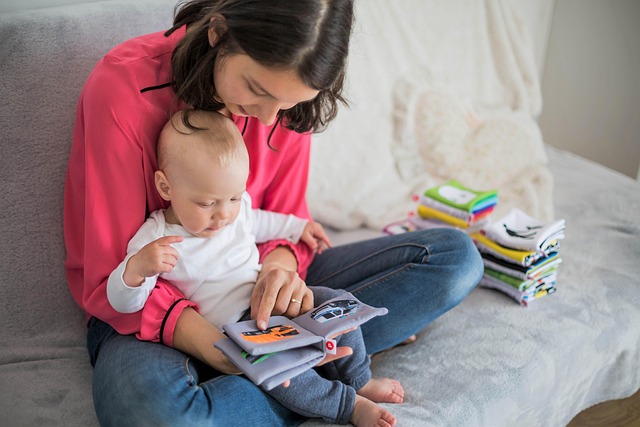


Experiencing a dip in libido after childbirth is a common, often unaddressed, aspect of the postpartum period. While many new parents anticipate physical recovery and sleep deprivation, the significant shift in sexual desire can come as a surprise, impacting self-perception and relationships. This article provides an evidence-aware guide to understanding and navigating postpartum libido recovery, focusing on both the underlying hormonal changes and practical strategies to reignite desire. We’ll explore why this shift occurs and offer actionable insights for health-conscious women seeking to reclaim their sexual wellness.
Table of Contents
- Post-Baby Libido: Natural Ways to Increase Desire After Childbirth
- Reignite The Spark: Sexuality After Childbirth
- Addressing Postpartum Sexual Dysfunction Among Parents
- Recovering Sexuality after Childbirth: What Strategies Do Parents Use?
- The Best Ways to Regain Sexual Desire After Childbirth
- Postpartum Sexuality: A Holistic View
- FAQ
- Conclusion
Post-Baby Libido: Natural Ways to Increase Desire After Childbirth
The decline in sexual desire postpartum isn’t a sign of personal failing; it’s a physiological response to immense bodily changes and the demands of new parenthood. Hormonal fluctuations play a primary role. Immediately after birth, estrogen and progesterone levels, which were sky-high during pregnancy, plummet. This sharp decline can lead to vaginal dryness, thinning of vaginal tissues, and reduced sensation, making intercourse uncomfortable or painful.
Beyond these immediate hormonal shifts, prolactin levels remain elevated, especially in breastfeeding individuals, to support milk production. High prolactin can suppress ovulation and, consequently, estrogen production, further contributing to low libido. This hormonal landscape is often compounded by physical recovery from birth – whether vaginal or cesarean – and the sheer exhaustion of caring for a newborn. Sleep deprivation, the constant demands of feeding and soothing, and the emotional adjustment to motherhood all divert energy and focus away from sexual intimacy.
Natural approaches to increasing desire often start with addressing these foundational issues. For instance, prioritizing sleep, even if it means short naps whenever possible, can significantly impact energy levels and mood, which are critical for sexual interest. Nutrition also plays a role; a balanced diet supports overall health and hormonal balance. While no specific “libido-boosting” foods exist, nutrient deficiencies can exacerbate fatigue and stress, indirectly affecting desire.
Consider the example of a new parent who feels consistently depleted. Suggesting a complex daily routine might be unrealistic. Instead, focusing on small, sustainable changes like ensuring adequate hydration, incorporating nutrient-dense snacks, and delegating tasks to free up even 30 minutes for rest can have a cumulative positive effect. Vaginal dryness, a common complaint, can often be alleviated with over-the-counter lubricants and moisturizers designed for vaginal health. These products address a physical barrier to comfortable intimacy, making desire more accessible when it does arise.
Reignite The Spark: Sexuality After Childbirth
Reigniting sexual desire after childbirth extends beyond purely physical or hormonal interventions; it deeply involves emotional connection, self-perception, and communication within a relationship. Many individuals report feeling disconnected from their bodies, or even their partners, in the postpartum period. The focus shifts entirely to the baby, and the identity of “mother” often overshadows other aspects of self, including sexual identity.
This emotional landscape can be challenging to navigate. Open and honest communication with a partner is paramount. Instead of waiting for desire to magically return, discussing feelings of fatigue, body image concerns, and fears about intimacy can create a supportive environment. Partners may also be experiencing their own anxieties or feelings of neglect, and addressing these together can strengthen the bond.
Practical steps might include scheduling “non-sexual intimacy” – simply spending quality time together without the pressure of sex. This could be a shared meal, a short walk, or even just sitting together and talking after the baby is asleep. Re-establishing emotional closeness can pave the way for physical intimacy. For individuals struggling with body image, focusing on self-care that isn’t directly related to appearance, such as exercise for strength or meditation for mental calm, can help rebuild a positive relationship with their body.
Consider a couple who, six months postpartum, haven’t had sex since before the birth. Their initial attempts felt forced and uncomfortable. Instead of pushing for intercourse, they might agree to a “date night” at home, where they watch a movie and simply cuddle. This low-pressure physical touch can reintroduce intimacy without the expectation of progression to sex, allowing desire to emerge naturally when both partners feel ready and comfortable. This approach acknowledges that desire is not just a physiological switch, but a complex interplay of physical, emotional, and relational factors.
Addressing Postpartum Sexual Dysfunction Among Parents
Postpartum sexual dysfunction (PSD) encompasses a range of difficulties, including low libido, painful intercourse (dyspareunia), anorgasmia (difficulty reaching orgasm), and vaginal dryness, that significantly impact a person’s sexual satisfaction. While some degree of sexual change is expected postpartum, persistent and distressing symptoms warrant attention. It’s crucial to distinguish between a temporary dip in desire and dysfunction that requires professional intervention.
The multifactorial nature of PSD means that addressing it often involves a comprehensive approach. Hormonal imbalances, as discussed, are a major contributor. For instance, persistent vaginal dryness and pain, particularly in breastfeeding individuals, might respond to localized estrogen therapy (e.g., vaginal creams or suppositories) if deemed appropriate by a healthcare provider. These treatments deliver estrogen directly to the vaginal tissues, bypassing systemic effects, and can significantly improve tissue health and comfort.
Pelvic floor dysfunction is another common, yet often overlooked, cause of PSD. Childbirth, especially vaginal birth, can lead to muscle weakness, tightness, or nerve damage in the pelvic floor. This can result in pain during intercourse, urinary incontinence, or a feeling of looseness. A pelvic floor physical therapist can assess these issues and provide targeted exercises, manual therapy, and education to restore function and alleviate pain. For example, a person experiencing deep pain during intercourse might discover through therapy that their pelvic floor muscles are hypertonic (overly tight), requiring specific relaxation techniques and stretches.
Furthermore, psychological factors, such as postpartum depression or anxiety, body image issues, and relationship distress, are significant contributors to PSD. Therapy, either individual or couples counseling, can provide strategies for coping with these challenges, improving communication, and reframing negative thoughts about sex and body image. A healthcare provider can help differentiate between normal postpartum changes and symptoms that indicate a need for specialized care.
Recovering Sexuality after Childbirth: What Strategies Do Parents Use?
Parents employ a variety of strategies to recover their sexuality after childbirth, ranging from personal adjustments to seeking professional guidance. These strategies often evolve as individuals move through different phases of the postpartum period and as their baby grows.
A common initial strategy is prioritizing physical healing and rest. Many parents wait until the traditional six-week postpartum check-up, or even longer, before attempting intercourse. This allows time for stitches to heal, bleeding to stop, and energy levels to somewhat stabilize. For those who experienced perineal tearing or an episiotomy, scar tissue massage, often recommended by a pelvic floor physical therapist, can improve tissue elasticity and reduce discomfort.
Another frequently used strategy involves experimenting with different forms of intimacy. If penetrative sex is painful or unappealing, couples might explore other ways to be physically close, such as massage, oral sex, or simply cuddling and kissing. This broadens the definition of “sex” and reduces pressure, allowing for pleasure and connection without discomfort.
Many parents also find it helpful to explicitly schedule time for intimacy, especially in the early months when spontaneous moments are rare. This might sound unromantic, but it ensures that intimacy doesn’t get perpetually pushed aside by childcare demands. For example, a couple might decide that once a week, after the baby is asleep, they will dedicate an hour to each other, without phones or other distractions, to talk, touch, or engage in sexual activity if they feel inclined.
| Strategy Type | Examples | Benefits | Potential Challenges |
|---|---|---|---|
| Physical Healing & Comfort | Pelvic floor PT, lubricants, scar massage, pain management for stitches | Reduces pain, improves comfort, builds confidence | Requires professional input, consistency, can feel clinical |
| Emotional & Relational | Open communication, non-sexual intimacy, couples therapy, individual counseling | Strengthens bond, addresses underlying issues, reduces pressure | Requires vulnerability, time commitment, may need external support |
| Practical & Logistical | Scheduling intimacy, delegating childcare, prioritizing sleep, exploring new positions | Ensures opportunities for intimacy, reduces exhaustion as a barrier | Can feel forced or unspontaneous, requires partner cooperation |
| Hormonal Support | Localized estrogen therapy (under guidance), breastfeeding management | Addresses vaginal dryness, tissue health, hormonal imbalance | Requires medical consultation, not suitable for everyone |
These strategies are rarely used in isolation; often, a combination proves most effective. The key is to be adaptable, patient, and willing to try different approaches as circumstances change.
The Best Ways to Regain Sexual Desire After Childbirth
Regaining sexual desire postpartum is a journey, not a destination, and it often involves a multi-pronged approach that acknowledges the complex interplay of hormones, physical recovery, emotional well-being, and relationship dynamics. There isn’t a single “best way,” but rather a collection of effective strategies tailored to individual needs.
One of the most impactful ways is to address the underlying physical discomforts first. If sex is painful, desire will naturally be suppressed. This means proactively managing vaginal dryness with moisturizers or lubricants, and seeking help for pelvic pain or dysfunction from a pelvic floor physical therapist. Ignoring pain in the hope that desire will return is often counterproductive.
Secondly, prioritizing self-care is non-negotiable. While challenging with a newborn, even small acts of self-care can make a difference. This might include taking a warm bath, reading a book, engaging in a hobby, or spending time with supportive friends. When an individual feels less depleted and more connected to themselves, they are more likely to feel connected to their partner and open to intimacy.
Thirdly, open and honest communication with a partner about feelings, fears, and expectations is crucial. Partners cannot read minds, and expressing vulnerability can foster understanding and shared problem-solving. This includes discussing what feels good, what doesn’t, and what types of intimacy are currently comfortable. For example, some couples find that exploring non-penetrative sex for a period allows them to maintain physical intimacy without the pressure or discomfort of intercourse.
Finally, managing expectations is vital. The “spark” might not return exactly as it was before pregnancy, and that’s okay. Sexuality evolves throughout life, and postpartum is a significant transition. Focusing on connection, pleasure, and mutual satisfaction, rather than a specific outcome or frequency, can reduce pressure and allow desire to re-emerge organically. This might involve redefining what “sex” means for the couple in this season of life.
Postpartum Sexuality: A Holistic View
Postpartum sexuality encompasses more than just the return of penetrative sex; it’s a holistic concept that includes physical comfort, emotional connection, self-perception, and relational dynamics. Viewing postpartum libido recovery through this lens allows for a more comprehensive and compassionate approach.
Hormonal Influence: As established, hormonal shifts are central to the initial decline in libido. Low estrogen and high prolactin contribute to vaginal dryness, reduced sensation, and decreased arousal. For some, particularly those breastfeeding long-term, these hormonal effects can persist. Understanding this physiological basis helps normalize the experience and prevents individuals from feeling personally responsible for a natural bodily process.
Physical Recovery: The body undergoes immense changes during pregnancy and childbirth. Scar tissue from tears or C-sections, pelvic floor weakness or tightness, and general bodily discomfort can all impact sexual comfort and desire. Addressing these through physical therapy, proper healing, and gentle reintroduction of activity is a foundational step.
Emotional and Psychological Factors: The transition to parenthood is a profound psychological shift. Postpartum depression, anxiety, body image issues, and the overwhelming demands of childcare can significantly dampen sexual interest. Feelings of inadequacy, guilt, or simply being “touched out” from constant baby contact can create barriers to intimacy. Mental health support, self-compassion, and partner understanding are critical here.
Relational Dynamics: The arrival of a baby often reshapes a couple’s relationship. Time, energy, and attention are redirected, potentially leading to feelings of neglect, resentment, or disconnection. Nurturing the couple’s relationship through communication, shared activities, and intentional acts of intimacy (even non-sexual ones) is vital for fostering an environment where sexual desire can thrive.
Ultimately, postpartum sexuality is about finding a new normal that works for the individual and their partner. It involves patience, self-compassion, open dialogue, and a willingness to seek support when needed. There is no fixed timeline for libido recovery, and what works for one person may not work for another. The goal is not necessarily to return to a pre-baby state, but to cultivate a satisfying and connected sexual life that aligns with the realities of parenthood.
FAQ
How do I get my libido back postpartum?
Getting your libido back postpartum involves a multi-faceted approach addressing physical, hormonal, emotional, and relational factors. Start by prioritizing rest and nutrition, and ensure any physical discomfort from childbirth is managed (e.g., with lubricants for dryness, or consulting a pelvic floor physical therapist for pain). Open communication with your partner about your feelings and fears is crucial. Explore non-penetrative forms of intimacy to reduce pressure, and consider professional support if you suspect hormonal imbalance, pelvic floor dysfunction, or mental health challenges like postpartum depression. Patience and self-compassion are key.
How long does postpartum libido loss last?
The duration of postpartum libido loss varies significantly among individuals. For some, desire may begin to return a few months after birth, especially as physical healing progresses and sleep improves. For others, particularly those who are breastfeeding, hormonal factors can prolong low libido for many months or even beyond a year. Emotional factors like sleep deprivation, stress, and postpartum mood disorders can also extend this period. There’s no fixed timeline, and it’s important not to compare your experience to others. If concerns persist, a healthcare provider can offer guidance.
What is the 3 3 3 rule for postpartum?
The “3-3-3 rule” is a simplified guideline often shared in postpartum circles to illustrate the significant and gradual nature of postpartum recovery. It suggests that:
- 3 days postpartum, you feel like you’ve been hit by a truck.
- 3 weeks postpartum, you start to feel like you might be able to function.
- 3 months postpartum, you begin to feel somewhat human again.
- 3 years postpartum, you might feel like yourself again.
While not a medical or scientific rule, it serves as a helpful reminder that postpartum recovery, including the return of libido, is a long and non-linear process that extends far beyond the initial weeks after birth. It emphasizes the need for patience and support during this transformative period.
Conclusion
Restoring libido after childbirth is a nuanced process, deeply intertwined with the profound physical, hormonal, and emotional shifts of the postpartum period. It’s not about flipping a switch, but rather a gradual journey that requires patience, self-compassion, and often, a holistic approach. For health-conscious women, understanding the interplay of plummeting hormones, physical recovery from birth, and the immense demands of new parenthood is the first step.
The most relevant takeaway is that there is no single “right” way or timeline for postpartum libido recovery. What works is a combination of addressing physical discomforts, prioritizing self-care, fostering open communication with a partner, and managing expectations. If persistent pain, distress, or a complete lack of desire impacts quality of life or relationship satisfaction, consulting a healthcare provider, pelvic floor physical therapist, or therapist is a wise next step. Ultimately, the goal is to cultivate a satisfying and connected sexual life that honors the realities of this unique season.