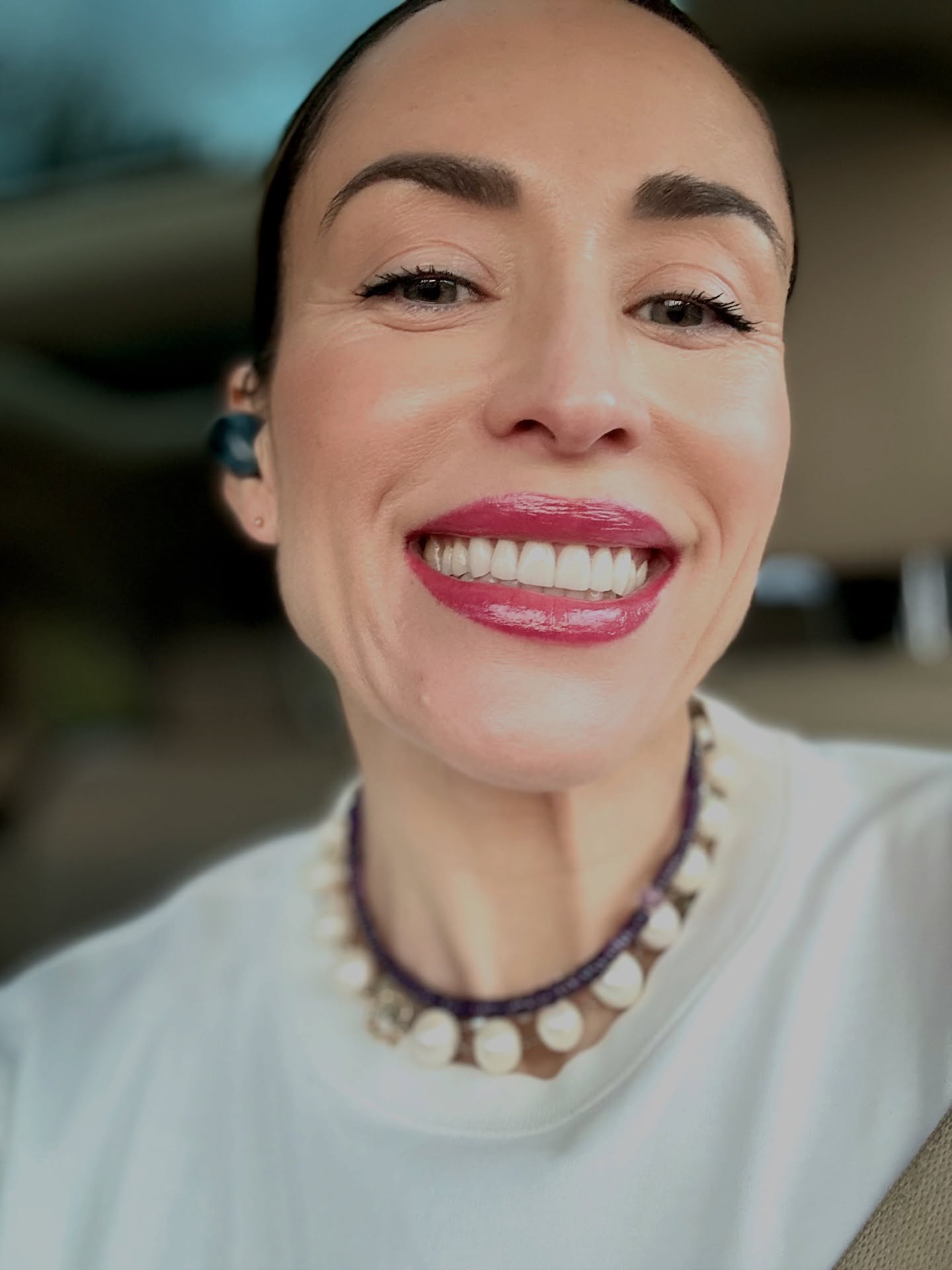

Experiencing changes in hair density and texture can be a confronting aspect of perimenopause. For many women, the realization that their hair is thinning or shedding more than usual often coincides with other shifts in their bodies, signaling the approach of menopause. This isn’t just a cosmetic concern; it’s a physiological response to the complex hormonal fluctuations characteristic of this life stage. Understanding the mechanisms behind perimenopause hair thinning, navigating potential solutions, and knowing when to seek professional guidance are crucial steps in managing this common symptom.
Table of Contents
- I went to a dermatologist about perimenopausal hair loss. … for perimenopause hair thinning
- How to hit pause on menopause hair loss for perimenopause hair thinning
- Hair Loss During Perimenopause? A Dermatologist Has … for perimenopause hair thinning
- The Menopausal Transition: Is the Hair Follicle “Going through … for perimenopause hair thinning
- Menopause Hair Thinning: Causes, Symptoms & Treatments for perimenopause hair thinning
I went to a dermatologist about perimenopausal hair loss. … for perimenopause hair thinning
When facing noticeable hair changes, consulting a dermatologist specializing in hair and scalp conditions is often the most effective first step. While perimenopause is a common culprit, hair thinning can stem from various underlying issues, some of which require specific medical attention.
A dermatologist will typically begin with a thorough examination of your scalp and hair, often using a dermatoscope to get a magnified view. They’ll inquire about your medical history, including any existing conditions, medications, and family history of hair loss. Crucially, they’ll ask about your menstrual cycles and any other perimenopause symptoms you might be experiencing, such as hot flashes, irregular periods, or mood changes.
Blood tests are a standard part of the diagnostic process. These tests can help rule out other causes of hair loss that might mimic perimenopausal thinning. Common tests include:
- Thyroid function tests: Both an overactive and underactive thyroid can lead to hair loss.
- Iron levels (ferritin): Iron deficiency, even without full-blown anemia, can contribute to hair shedding.
- Vitamin D levels: Low vitamin D has been linked to various forms of hair loss.
- Hormone levels: While hormone levels fluctuate significantly during perimenopause, a dermatologist might check estrogen, progesterone, and testosterone levels to get a broader picture, though a single reading isn’t always definitive for perimenopause diagnosis.
- Androgen levels: Elevated androgens (male hormones) can contribute to androgenetic alopecia, a common form of hair thinning in women.
The dermatologist’s role is to differentiate between typical perimenopausal thinning, which is often a form of female pattern hair loss (androgenetic alopecia), and other conditions like telogen effluvium (stress-induced shedding), alopecia areata (autoimmune hair loss), or fungal infections. They can then recommend a tailored approach, which might involve topical treatments, oral medications, or lifestyle adjustments. For instance, if a thyroid imbalance is detected, addressing that underlying condition might resolve the hair thinning. If it’s indeed perimenopausal androgenetic alopecia, treatments aimed at stimulating hair growth or minimizing further loss will be discussed.
How to hit pause on menopause hair loss for perimenopause hair thinning
While “hitting pause” entirely might not be realistic given the natural biological changes of perimenopause, several strategies can help manage and potentially slow down the progression of perimenopausal hair thinning. The approach often involves a combination of medical interventions, lifestyle modifications, and targeted hair care.
Medical and Topical Treatments:
- Minoxidil (Rogaine): This over-the-counter topical treatment is FDA-approved for female pattern hair loss. It works by prolonging the growth phase of hair follicles and increasing their size. Consistency is key, and results typically take several months to appear. It’s not a cure, and stopping its use usually leads to a return of thinning.
- Platelet-Rich Plasma (PRP): This involves drawing a small amount of your blood, processing it to concentrate the platelets, and then injecting the PRP into the scalp. Platelets contain growth factors that may stimulate hair follicles. This is a newer therapy, and while promising, more research is ongoing to establish its long-term efficacy.
- Low-Level Laser Therapy (LLLT): Devices like laser combs or caps emit low-level laser light that is thought to stimulate hair follicles. These are typically home-use devices, and while some users report positive results, the scientific evidence is still accumulating.
- Anti-androgens: In some cases, if elevated androgen levels are contributing to hair loss, a doctor might prescribe anti-androgen medications like spironolactone. These medications require careful medical supervision due to potential side effects.
- Hormone Replacement Therapy (HRT): For some women, HRT may improve hair density as it addresses the underlying hormonal imbalance. However, HRT is a complex decision with individual risks and benefits that must be discussed thoroughly with a healthcare provider, and it’s not primarily prescribed for hair loss alone.
Lifestyle and Nutritional Support:
- Balanced Nutrition: A diet rich in protein, essential fatty acids, vitamins (especially B vitamins, D, and E), and minerals (iron, zinc) is fundamental for healthy hair growth. Consider consulting a registered dietitian if you suspect nutritional deficiencies.
- Stress Management: High stress levels can trigger telogen effluvium, a temporary shedding condition that can exacerbate perimenopausal thinning. Practices like yoga, meditation, adequate sleep, and spending time in nature can help manage stress.
- Gentle Hair Care: Avoid harsh chemical treatments, excessive heat styling, tight hairstyles that pull on the roots, and aggressive brushing. Use mild shampoos and conditioners, and be gentle when washing and drying your hair.
- Scalp Health: A healthy scalp is crucial for healthy hair. Regular, gentle scalp massage can improve blood circulation. Some women find benefit from scalp serums containing ingredients like caffeine, biotin, or botanical extracts, though scientific evidence for these varies.
It’s important to have realistic expectations. The goal is often to minimize further loss and potentially stimulate some regrowth, rather than fully restoring pre-perimenopausal hair density.
Hair Loss During Perimenopause? A Dermatologist Has … for perimenopause hair thinning
A dermatologist, particularly one specializing in hair disorders (trichology), is equipped to provide a comprehensive assessment and management plan for perimenopausal hair thinning. Their expertise goes beyond general dermatology, focusing specifically on the intricacies of the hair follicle and scalp.
Here’s a breakdown of what a dermatologist offers:
- Accurate Diagnosis: As discussed, they can differentiate between various types of hair loss, which is critical because treatments vary. For instance, treating telogen effluvium (which is often temporary and stress-related) differs significantly from managing androgenetic alopecia (which is progressive and hormonal).
- Personalized Treatment Plans: Based on the diagnosis, your medical history, and individual preferences, a dermatologist can recommend a tailored treatment strategy. This might involve a combination of topical solutions, oral medications, and in-office procedures.
- Guidance on Over-the-Counter Products: The market is flooded with products claiming to regrow hair. A dermatologist can help you discern which, if any, have scientific backing and are appropriate for your specific situation, saving you time and money on ineffective remedies.
- Referral to Other Specialists: If the hair loss is linked to other underlying conditions (e.g., severe nutritional deficiencies, autoimmune disorders), the dermatologist can refer you to an endocrinologist, nutritionist, or other relevant specialists.
- Monitoring Progress: They can track your response to treatment over time, adjusting the plan as needed. This ongoing oversight ensures that the chosen interventions are working and helps identify any side effects.
- Emotional Support and Education: Dealing with hair loss can be emotionally distressing. A dermatologist can provide accurate information, manage expectations, and offer reassurance, helping you navigate this challenging symptom with confidence.
When preparing for your appointment, compile a list of all medications you’re taking, any supplements, your health history, and a timeline of when you first noticed hair thinning and any associated symptoms. Bringing photos of your hair from different periods can also be helpful.
The Menopausal Transition: Is the Hair Follicle “Going through … for perimenopause hair thinning
The phrase “going through changes” aptly describes what happens to hair follicles during the menopausal transition. Perimenopause is characterized by fluctuating hormone levels, particularly estrogen and progesterone, which significantly impact the hair growth cycle.
The Hair Growth Cycle:
To understand how hormones affect hair, it’s helpful to recall the basic hair growth cycle:
- Anagen (Growth Phase): This is the longest phase, lasting 2-7 years, where hair actively grows.
- Catagen (Transition Phase): A short phase (2-3 weeks) where hair growth stops, and the follicle shrinks.
- Telogen (Resting Phase): Lasting about 3 months, during which the old hair rests while a new hair begins to grow beneath it.
- Exogen (Shedding Phase): The old hair sheds, making way for the new hair.
Hormonal Impact During Perimenopause:
- Estrogen Decline: Estrogen plays a crucial role in maintaining the anagen (growth) phase of hair. As estrogen levels decline and fluctuate erratically during perimenopause, the anagen phase can shorten. This means hair spends less time growing and more time in the resting or shedding phases, leading to overall thinning and increased shedding.
- Progesterone Decline: Progesterone also contributes to hair health, and its decline can further exacerbate the effects of lower estrogen.
- Relative Increase in Androgens: While female bodies produce much less testosterone than male bodies, during perimenopause, as estrogen levels drop, the balance shifts. The relative increase in circulating androgens (like testosterone and dihydrotestosterone or DHT) can have a miniaturizing effect on hair follicles in genetically predisposed women. This leads to what’s known as female pattern hair loss or androgenetic alopecia. Hair follicles become smaller, producing finer, shorter, and less pigmented hairs over time, eventually leading to visible thinning, often at the crown and part line.
- Stress and Cortisol: The myriad symptoms of perimenopause (hot flashes, sleep disturbances, anxiety) can induce chronic stress, leading to elevated cortisol levels. High cortisol can push more hair follicles into the telogen (resting) phase prematurely, resulting in increased shedding (telogen effluvium). This type of hair loss is often more diffuse and noticeable as sudden, significant shedding.
The “changes” in the hair follicle mean a shift from producing robust, long-lasting hairs to generating finer, shorter strands, or even resting prematurely. This cumulative effect over time results in the perceived loss of volume and density that many women experience.
Menopause Hair Thinning: Causes, Symptoms & Treatments for perimenopause hair thinning
Understanding the specific causes, recognizing the symptoms, and exploring treatment options for perimenopause hair thinning allows for targeted management.
Causes
The primary driver of perimenopausal hair thinning is hormonal fluctuation, but other factors often play a synergistic role:
- Hormonal Imbalance (Estrogen, Progesterone, Androgens): As detailed previously, the decline in estrogen and progesterone, coupled with a relative increase in androgenic effects, is central. This primarily leads to female pattern hair loss (androgenetic alopecia).
- Genetic Predisposition: If your mother or grandmother experienced hair thinning during their menopausal transition, you are more likely to as well. Genetics determine how sensitive your hair follicles are to hormonal changes, particularly androgens.
- Stress: The perimenopausal period itself can be stressful, and chronic stress elevates cortisol, which can trigger telogen effluvium – a temporary but often significant increase in hair shedding.
- Nutritional Deficiencies: Inadequate intake of essential nutrients like iron, zinc, biotin, vitamin D, and protein can compromise hair health and exacerbate thinning.
- Thyroid Dysfunction: Both hypo- and hyperthyroidism can cause hair loss. These conditions are more common in women and can emerge or worsen during perimenopause.
- Medical Conditions and Medications: Certain autoimmune diseases, chronic illnesses, or medications (e.g., some antidepressants, blood pressure medications) can contribute to hair loss.
- Styling Practices: Harsh chemical treatments, excessive heat styling, tight hairstyles, and aggressive brushing can cause breakage and damage, making existing thinning more apparent.
Symptoms
Perimenopausal hair thinning typically manifests in distinct ways:
- Increased Hair Shedding: You might notice more hair in your brush, in the shower drain, or on your pillow.
- Reduced Hair Volume: Your ponytail might feel thinner, or your hair might not hold style as well.
- Wider Part Line: The part in your hair may appear broader, especially towards the crown.
- Receding Hairline (less common but possible): While less common than in men, some women might notice a slight recession, particularly in the temporal areas.
- Hair Texture Changes: Hair might become finer, drier, or more brittle.
- Scalp Visibility: Your scalp might become more visible, especially under bright lights.
- Diffuse Thinning: Unlike male pattern baldness, which often features a receding hairline and bald spot, female pattern hair loss typically involves a more diffuse thinning across the top of the scalp, maintaining the frontal hairline.
Conclusion
Navigating perimenopausal hair thinning means understanding the complex interplay of hormonal shifts, genetics, stress, nutrition, and overall health. The decline in estrogen and progesterone combined with increased androgen activity can change the hair follicle’s behavior, leading to finer strands and more noticeable shedding. Elevated stress and cortisol levels during this transition further contribute to hair loss, often making it feel sudden and overwhelming. Recognizing the signs—such as increased shedding, a wider part line, and changes in hair texture—can help you take proactive steps toward managing hair health.
Addressing perimenopausal hair thinning involves a multi-faceted approach: nurturing your body with balanced nutrition, seeking support for stress management, consulting healthcare professionals about underlying conditions like thyroid dysfunction, and adopting gentle hair care practices. While genetics may set the stage, there are many ways to support your hair’s strength and resilience through this natural life phase.
Remember, hair thinning during perimenopause is a common experience, but it doesn’t have to define your confidence or sense of self. Embracing knowledge and practical care empowers you to slow the shed and celebrate your evolving beauty with grace and strength.