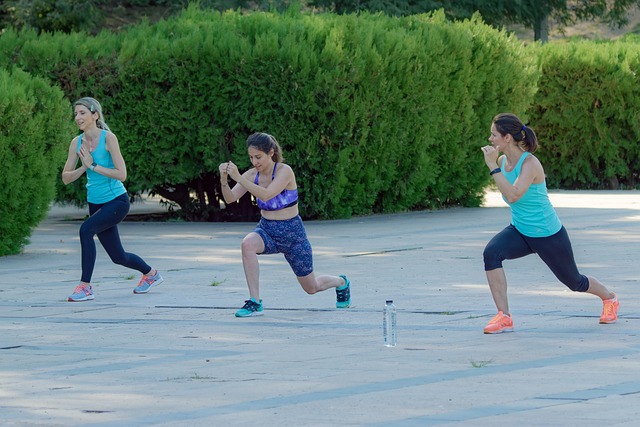


Weight management can be particularly challenging when hormonal shifts are involved. Many women experience what’s often termed “hormonal weight gain,” where fat accumulation seems resistant to traditional diet and exercise. This article will compare strength training and cardio for addressing hormonal weight gain, helping you make informed decisions about your fitness approach. We’ll explore how different types of exercise impact key hormones involved in metabolism and body composition, offering practical insights for an effective strategy.
Table of Contents
- The Best Exercises for Hormonal Imbalance
- How Weight Training Helps Women Through Hormonal Shifts
- The Best Way to Work Out After Menopause
- The Efficacy of Strength Exercises for Reducing Symptoms
- Strength Training for Women: A Guide
- Strength Training: A Powerhouse for Hormonal Balance
- Strength Training vs. Cardio: A Comparison for Hormonal Weight Management
- FAQ
- Conclusion
The Best Exercises for Hormonal Imbalance
Hormonal imbalances can manifest in various ways, including stubborn weight gain, particularly around the midsection. When considering exercise to mitigate these effects, the focus often shifts from simply burning calories to optimizing hormonal responses. For many individuals experiencing hormonal challenges, high-intensity, prolonged cardio can sometimes exacerbate issues by increasing cortisol, a stress hormone linked to fat storage.
Instead, a balanced approach that prioritizes strength training often proves more beneficial. Strength training, or resistance training, involves working your muscles against a force, such as weights, resistance bands, or your own body weight. This type of exercise triggers a cascade of physiological responses that can positively influence hormones. For example, building muscle mass naturally increases your basal metabolic rate (BMR), meaning you burn more calories at rest. This is particularly relevant when hormonal shifts might otherwise slow metabolism.
Consider a scenario where cortisol levels are chronically elevated due to stress or other factors. Engaging in intense, long-duration cardio might further elevate cortisol, potentially hindering weight loss efforts. In contrast, a well-structured strength training session, followed by adequate recovery, can improve insulin sensitivity, a crucial factor in preventing fat storage. Improved insulin sensitivity means your body can more efficiently use glucose for energy, rather than storing it as fat.
Practical implications involve carefully selecting your exercise modalities. If you’re experiencing symptoms of hormonal imbalance like fatigue, poor sleep, or increased abdominal fat, incorporating strength training should be a priority. This doesn’t mean abandoning all cardio, but rather adjusting its intensity and duration to complement your overall hormonal health. For instance, short bursts of high-intensity interval training (HIIT) might be more hormonally favorable than hours of moderate-intensity steady-state cardio, provided your body can recover adequately.
How Weight Training Helps Women Through Hormonal Shifts
Women experience several significant hormonal shifts throughout their lives, from puberty and reproductive years to perimenopause and menopause. Each phase brings unique challenges, and weight training offers specific benefits for navigating these changes.
During reproductive years, conditions like Polycystic Ovary Syndrome (PCOS) often involve insulin resistance, leading to weight gain and difficulty losing it. Strength training directly addresses insulin resistance by increasing muscle mass, which acts as a primary site for glucose uptake. Regular resistance exercise can improve how your body responds to insulin, helping to stabilize blood sugar and reduce fat storage.
As women approach perimenopause and menopause, estrogen levels decline. This drop in estrogen is linked to a decrease in muscle mass (sarcopenia) and an increase in visceral fat (fat around organs), which is metabolically unhealthy. Bone density also decreases, increasing the risk of osteoporosis. Weight training is a powerful intervention for both these issues. It stimulates muscle protein synthesis, helping to preserve and build muscle mass, and it puts stress on bones, encouraging them to become stronger and denser.
For example, a woman in her late 40s noticing an increase in belly fat despite maintaining her diet might find that adding two to three strength training sessions per week significantly impacts her body composition. She might not see a drastic change on the scale initially, but her clothes might fit better, and her energy levels could improve. This is because muscle is denser than fat, and building muscle changes body shape more effectively than simply losing weight.
Trade-offs exist, of course. Weight training requires consistency and proper form to prevent injury. It also demands adequate protein intake and recovery. Neglecting these aspects can negate the benefits and even lead to overtraining or injury. However, the long-term benefits for maintaining metabolic health, bone density, and overall functional strength during hormonal transitions often outweigh these considerations.
The Best Way to Work Out After Menopause
Menopause marks a significant hormonal transition, with a sharp decline in estrogen production. This decline impacts metabolism, bone density, and muscle mass, making weight management and overall health maintenance more challenging. For women post-menopause, the exercise strategy needs to be particularly tailored to mitigate these specific effects.
The “best way” to work out after menopause heavily favors strength training. While cardiovascular exercise remains important for heart health, its role in preventing muscle loss and bone density decline is limited compared to resistance training. Post-menopausal women are at higher risk for osteoporosis and sarcopenia, both of which are directly addressed by consistent strength training.
Consider a woman who has been a lifelong runner. While her cardiovascular health might be excellent, she might still be experiencing bone density loss and a decrease in muscle mass if she hasn’t incorporated strength training. Adding exercises like squats, deadlifts, overhead presses, and rows, using appropriate weights, will stimulate bone remodeling and muscle growth. These compound movements, which engage multiple joints and muscle groups, are particularly effective.
Practical implications include starting slowly and progressively. A beginner might start with bodyweight exercises or light dumbbells, focusing on proper form. As strength improves, the weight or resistance can be gradually increased. The goal isn’t necessarily to become a bodybuilder, but to maintain and build functional strength that supports daily activities and reduces the risk of falls and fractures.
Edge cases might include women with pre-existing conditions like severe osteoporosis or joint issues. In such instances, working with a qualified physical therapist or certified personal trainer who specializes in older adults is crucial. They can design a program that is safe and effective, potentially incorporating lower-impact resistance exercises or modified movements. The key is to find a sustainable routine that challenges the muscles and bones without causing pain or injury.
The Efficacy of Strength Exercises for Reducing Symptoms
Beyond just weight management, strength exercises play a significant role in reducing various symptoms associated with hormonal imbalances. Many of these symptoms, such as fatigue, mood swings, poor sleep, and reduced energy, are indirectly influenced by hormonal fluctuations and metabolic health.
One key mechanism is the impact on sleep quality. Regular strength training can improve sleep patterns, which in turn positively influences hormone regulation. Poor sleep is known to disrupt hormones like ghrelin (hunger hormone) and leptin (satiety hormone), leading to increased cravings and appetite. By improving sleep, strength training indirectly supports better hormonal balance and reduces the likelihood of overeating.
Furthermore, strength training has a positive effect on mood. Exercise, in general, releases endorphins, which have mood-boosting effects. For women experiencing mood swings or anxiety related to hormonal shifts, consistent resistance training can serve as a powerful tool for emotional regulation. The sense of accomplishment and physical capability gained from getting stronger can also boost self-esteem, further contributing to improved mental well-being.
Take for example, a woman struggling with perimenopausal symptoms like hot flashes and irritability. While strength training won’t directly eliminate hot flashes, the improved sleep, reduced stress, and enhanced mood that often accompany consistent exercise can make these symptoms more manageable. The overall resilience of the body and mind improves, allowing for better adaptation to hormonal changes.
Trade-offs involve balancing intensity and recovery. Overtraining can be counterproductive, leading to increased cortisol and exacerbating fatigue. It’s important to listen to your body, incorporate rest days, and ensure adequate nutrition to support recovery and adaptation. The efficacy of strength exercises in symptom reduction is maximized when integrated into a holistic lifestyle approach that also addresses diet, stress management, and sleep hygiene.
Strength Training for Women: A Guide
Developing an effective strength training program for hormonal weight loss involves understanding principles of progression, exercise selection, and consistency. This isn’t about lifting the heaviest weight possible immediately, but rather building a sustainable routine that yields long-term benefits.
A foundational strength training program for women aiming for hormonal weight loss often includes compound exercises. These movements work multiple muscle groups simultaneously, providing a greater metabolic stimulus and improving functional strength. Examples include:
- Squats: Bodyweight, goblet squats, back squats.
- Deadlifts: Romanian deadlifts, conventional deadlifts (with proper form).
- Lunges: Forward, reverse, walking lunges.
- Push-ups: Modified on knees or elevated surface, full push-ups.
- Rows: Dumbbell rows, cable rows, bodyweight rows.
- Overhead Press: Dumbbell overhead press, barbell overhead press.
For women new to strength training, starting with 2-3 full-body sessions per week is often recommended. Each session could involve 3-4 sets of 8-12 repetitions for each exercise, focusing on controlled movements and proper form. As strength increases, the weight can be gradually increased, or variations of exercises can be introduced.
Sample Weekly Strength Training Schedule:
| Day | Exercise Focus | Example Exercises |
|---|---|---|
| Monday | Full Body A | Goblet Squats, Dumbbell Rows, Push-ups (modified), Plank |
| Wednesday | Full Body B | Romanian Deadlifts, Overhead Press, Lunges, Glute Bridges |
| Friday | Full Body C | Box Squats, Incline Dumbbell Press, Lat Pulldowns, Farmer’s Carry |
This structure allows for adequate recovery between sessions while consistently challenging the muscles. The key is progressive overload – gradually increasing the demands on your muscles over time. This could mean lifting heavier, doing more repetitions, increasing sets, or decreasing rest time.
Clarifying practical implications: if you’re unsure about form, consider hiring a certified personal trainer for a few sessions to learn the basics. Proper form is paramount to prevent injury and maximize effectiveness. Don’t be afraid of lifting weights; muscle growth in women typically leads to a toned appearance, not excessive bulk, due to hormonal differences compared to men. The goal is to build strong, resilient muscles that support metabolic health and bone density.
Strength Training: A Powerhouse for Hormonal Balance
The intricate relationship between strength training and hormonal balance extends beyond just insulin and cortisol. This form of exercise can influence a broader spectrum of hormones that regulate everything from appetite and energy to mood and reproductive health.
One significant impact is on growth hormone (GH) and insulin-like growth factor 1 (IGF-1). Strength training, particularly intense sessions, can stimulate the release of GH, which plays a crucial role in fat metabolism, muscle growth, and tissue repair. While GH levels naturally decline with age, resistance exercise can help maintain more youthful levels, supporting overall body composition and vitality.
Testosterone, often thought of as a male hormone, is also present in women and is vital for muscle growth, bone density, and libido. While women produce significantly less testosterone than men, strength training can acutely increase its levels, contributing to muscle building and fat loss. This hormonal response is part of what makes strength training so effective for improving body composition.
Moreover, strength training can enhance sensitivity to leptin, a hormone that signals satiety. When leptin resistance occurs, the brain doesn’t receive the signal that you’re full, leading to overeating. By improving overall metabolic health, resistance training can help restore proper leptin signaling, aiding in appetite control and weight management.
Consider a woman who has been struggling with chronic fatigue and low energy, alongside hormonal weight gain. Regular strength training can help by improving mitochondrial function – the “powerhouses” of your cells – leading to increased energy production. This, coupled with improved hormonal signaling, can break the cycle of fatigue and promote more active living.
Trade-offs here involve the potential for overtraining if not managed carefully. Pushing too hard without adequate recovery can lead to elevated cortisol, fatigue, and even injury, negating the positive hormonal effects. Therefore, periodization – varying training intensity and volume over time – is important for sustainable progress and hormonal health. Listening to your body, prioritizing sleep, and consuming adequate nutrients are crucial components of leveraging strength training as a powerhouse for hormonal balance.
Strength Training vs. Cardio: A Comparison for Hormonal Weight Management
When it comes to hormonal weight management, both strength training and cardio have their place, but their primary mechanisms and benefits differ significantly. Understanding these distinctions is key to designing an effective exercise regimen.
| Feature | Strength Training | Cardiovascular Training |
|---|---|---|
| Primary Benefit | Muscle building, increased BMR, bone density | Cardiovascular health, endurance, calorie expenditure |
| Hormonal Impact | Improves insulin sensitivity, boosts GH/testosterone, reduces cortisol (when managed) | Can increase cortisol (especially prolonged/intense), improves insulin sensitivity (to a degree) |
| Metabolic Impact | Increases resting calorie burn, enhances fat oxidation | Burns calories during activity, improves metabolic flexibility |
| Body Composition | Builds muscle, reduces body fat, improves shape | Reduces body fat (primarily through calorie deficit) |
| Injury Risk | Higher with improper form/heavy weights | Lower with proper form, higher with repetitive strain |
| Best for | Hormonal imbalance, sarcopenia, osteoporosis, long-term weight management | Heart health, endurance, stress reduction (moderate intensity) |
| Recovery Needs | Muscle repair, typically 24-72 hours for muscle groups | Replenishment of glycogen, less muscle-specific repair |
This table highlights that while cardio is excellent for heart health and can contribute to a calorie deficit, strength training directly addresses several core issues related to hormonal weight gain: muscle loss, bone density, and insulin sensitivity. For someone primarily concerned with hormonal weight management, strength training often takes precedence.
However, this is not an either/or situation. An optimal approach often involves a combination. For instance, prioritizing 2-3 strength training sessions per week, complemented by 2-3 sessions of moderate-intensity cardio (like brisk walking, cycling, or swimming) or short bursts of HIIT, can provide comprehensive benefits. The type and intensity of cardio should be chosen carefully to avoid overstressing the body and potentially elevating cortisol levels excessively, which can be counterproductive for hormonal balance.
The key takeaway is that for long-term hormonal weight management, building and maintaining muscle mass through strength training is a non-negotiable component. Cardio serves as a valuable adjunct, supporting cardiovascular health and contributing to overall fitness, but it shouldn’t be the sole focus when hormonal factors are at play.
FAQ
What is the 3 3 3 rule at the gym?
The “3-3-3 rule” isn’t a universally recognized or scientifically established fitness protocol. It sometimes refers to a very general guideline for exercise, such as exercising 3 days a week, for 30 minutes, doing 3 different types of exercises. However, this is too vague to be an effective or specific training strategy. For effective strength training, particularly for hormonal weight loss, a more structured approach with progressive overload, proper exercise selection, and adequate recovery is necessary.
Does weight lifting help with hormonal imbalance?
Yes, weight lifting (strength training) can significantly help with hormonal imbalance. It improves insulin sensitivity, which is crucial for conditions like PCOS and for preventing fat storage related to blood sugar dysregulation. It also stimulates the release of growth hormone and testosterone (in women, within healthy ranges), both of which support muscle growth and fat metabolism. Furthermore, by building muscle, it increases your basal metabolic rate, helping to manage weight effectively. When performed appropriately, it can also help manage stress and improve sleep, indirectly supporting overall hormonal balance.
What is the 3 day hormone reset?
The “3-day hormone reset” often refers to various dietary or lifestyle programs claiming to quickly rebalance hormones within a short period. These programs typically involve specific food restrictions, fasting protocols, or supplement regimens. While some short-term dietary changes can influence hormone levels, the concept of a complete “reset” in just three days is generally oversimplified and often lacks strong scientific backing. Sustainable hormonal balance is typically achieved through consistent long-term lifestyle changes, including balanced nutrition, regular exercise (especially strength training), stress management, and adequate sleep, rather than quick fixes.
Conclusion
For health-conscious women navigating the complexities of hormonal weight gain, the evidence strongly points to strength training as a cornerstone of an effective management strategy. While cardiovascular exercise offers undeniable benefits for heart health and calorie expenditure, its impact on muscle preservation, bone density, and direct hormonal regulation is often less pronounced than that of resistance training.
The optimal approach for hormonal weight management typically involves prioritizing structured strength training sessions, aiming for 2-3 times per week, complemented by appropriate cardiovascular activity. This combination builds muscle, boosts metabolism, enhances insulin sensitivity, and supports overall hormonal balance, leading to more sustainable and meaningful changes in body composition and well-being. Ultimately, understanding your body’s unique responses to exercise and making informed choices about your fitness regimen is key to navigating hormonal shifts successfully.