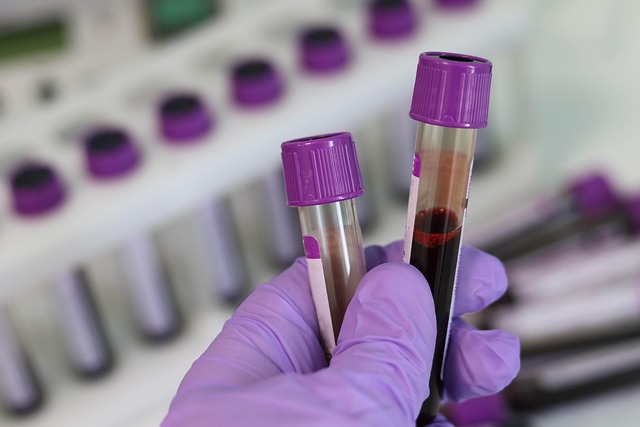

For many women exploring their reproductive health, “day 3 hormone testing” is a term that often comes up. This specific timing for hormone blood tests is a standard practice in fertility evaluations, designed to provide a snapshot of ovarian function early in the menstrual cycle. It helps healthcare providers assess a woman’s ovarian reserve and anticipate how her body might respond to fertility treatments, if needed. Understanding what these tests involve, why they’re timed this way, and what the results might indicate can demystify a crucial step in understanding one’s reproductive potential.
Table of Contents
- What is Day 3 Testing?
- Day 3 FSH Fertility Test of Ovarian Reserve
- Why “Cycle Day 3” Is So Important in Fertility Hormone Testing
- AMH Test & Day 3 Hormones: Know Your Fertility Numbers
- Day 3 vs. Day 21 Labs: What Your Results Actually Mean
What is Day 3 Testing?
Day 3 testing refers to a series of blood tests performed on the third day of a woman’s menstrual cycle. The “first day” of the cycle is defined as the first day of full menstrual flow. The timing is critical because, at this point, hormone levels are typically at their baseline. This allows for a more accurate assessment of the hormones that regulate ovarian function, largely free from the fluctuations that occur later in the cycle as follicles develop and ovulation approaches.
The primary goal of day 3 testing is to evaluate ovarian reserve, which is essentially a woman’s egg supply and the quality of those eggs. While it doesn’t offer a definitive count, it provides indirect markers that help estimate this reserve. It’s a foundational step for women who are experiencing difficulty conceiving, are considering fertility treatments, or simply want to understand their reproductive health better.
Practically, this means a blood draw will be scheduled for cycle day 3. If your period starts on a Monday, for example, your blood test would be on Wednesday. Consistency in timing is important for comparing results over time or against established reference ranges. Occasionally, a clinic might allow testing on day 2 or 4 if day 3 is logistically impossible, but day 3 remains the preferred standard due to its established interpretative guidelines.
Day 3 FSH Fertility Test of Ovarian Reserve
Follicle-Stimulating Hormone (FSH) is one of the key hormones measured during day 3 testing. FSH is produced by the pituitary gland and plays a direct role in stimulating the growth of ovarian follicles, each containing an egg.
On cycle day 3, FSH levels are expected to be relatively low. A low FSH level indicates that the ovaries are responding efficiently to the pituitary’s signal, meaning they don’t require a strong “push” to stimulate follicle growth. As ovarian reserve declines, the ovaries become less responsive. In response, the pituitary gland has to produce higher levels of FSH to try and stimulate the remaining follicles. Therefore, an elevated day 3 FSH level can suggest diminished ovarian reserve.
However, interpreting FSH levels is not always straightforward. An isolated high FSH reading doesn’t automatically mean infertility. It’s often considered in conjunction with other hormones, particularly estradiol. High estradiol levels on day 3 can artificially suppress FSH, making it appear deceptively low. This is why a comprehensive hormonal picture is essential.
For instance, a woman with a day 3 FSH of 12 mIU/mL might be considered to have reduced ovarian reserve, whereas a woman with an FSH of 6 mIU/mL would be seen as having good reserve. These numbers are often compared against age-specific reference ranges, as ovarian reserve naturally declines with age. It’s also important to remember that FSH levels can fluctuate from cycle to cycle, so a single reading might not tell the whole story. Some clinics may even re-test FSH if the initial result is borderline or unexpected.
Why “Cycle Day 3” Is So Important in Fertility Hormone Testing
The precise timing of day 3 testing is not arbitrary; it’s rooted in the physiology of the menstrual cycle. Early in the follicular phase (days 1-5 of the cycle), hormone levels are at their most stable and reflective of baseline ovarian function. This window provides a clear view before the dominant follicle begins to mature and significantly alter hormone concentrations.
Specifically, on day 3, estrogen (estradiol) levels are typically low. Low estradiol allows the pituitary gland to secrete FSH without suppression. This creates a “true” baseline FSH reading. If estradiol levels were already rising on day 3, it could suppress FSH, giving a misleadingly optimistic picture of ovarian reserve.
Consider a scenario where testing is done on day 7. By this time, a dominant follicle might already be developing, producing increasing amounts of estradiol. This rise in estradiol would naturally cause FSH levels to drop. If FSH were measured on day 7, it might appear low and healthy, even if the underlying ovarian reserve is diminished, because the estradiol is masking the ovary’s reduced responsiveness. This is why consistency in timing is paramount for accurate interpretation and comparison across different cycles or patients. The goal is to catch the hormones before significant follicular development has begun.
AMH Test & Day 3 Hormones: Know Your Fertility Numbers
While day 3 testing traditionally focuses on FSH and estradiol, Anti-Müllerian Hormone (AMH) has become an increasingly important marker for ovarian reserve. Unlike FSH and estradiol, AMH can be measured at any point in the menstrual cycle, as its levels do not fluctuate significantly.
AMH is produced by the granulosa cells of small, actively growing follicles within the ovary. It reflects the size of the remaining pool of primordial follicles – the ’egg bank.’ Higher AMH levels generally indicate a larger ovarian reserve, while lower levels suggest diminished reserve.
When used in conjunction with day 3 FSH and estradiol, AMH provides a more comprehensive picture of ovarian health.
| Hormone | What it Measures | Optimal Day 3 Range (approximate) | What it Indicates (Day 3) | | :—————— | :———————————————————————————————————————————————————————————————————————————————————————————————————————————————————————————————————————————————————————————————————————————————————————————————————————————————————————————————————————————————————————————————————————————————————————————————————————————————————————————————————————————————————————————————————————————————————————————————————————————————————————————————————————————————————————————————————————————————————————————————————————————————————————————————————————————————————————————————————————————————————————————————————————————————————————————————————— | :——————————- | :————————————————————————————————————————————————————————————————————————————————————————————————————————————————————————————————————————————————————————————————————————————————————————————————————————————————————————————————————————————————————————————————————————————————————————————————————————————————————————————————————————————————————————————————————————————————————————————————————————————————————————————————————————————————————————————————————————————————————————————————————————————————————————————————————————————————————————————————————————————————————————————————————————————————————————————————————————————————————————————————————————————————————————————————————————————————————————————————————————————————————————————————————————————————————————————————————————————————————————————————————————————————————————————————————————————————————————————————————————————————————————————————————————————————————————————————————————————————————————————————————————————————————————————————————————————————————————————————————————————————————————————————————————————————————————————————————————————————————————————————————————————————————————————————————————————————————————————————————————————————————————————————————————————————————————————————————————————————————————————————————————————————————————————————————————————————————————————————————————————————————————————————————————————————————————————————————————————————————————————————————————————————————————————————————————————————————————————————————————————————————————————————————————————————————————————————————————————————————————————————————————————————————————————————————————————————————————————————————————————————————————————————————————————————————————————————————————————————————————————————————————————————————————————————————————————————————————————————————————————————————————————————————————————————————————————————————————————————————————————————————————————————————————————————————————————————————————————————————————————————————————————————————————————————————————————————————————————————————————————————————————————————————————————————————————————————————————————————————————————————————————————————————————————————————————————————————————————————————————————————————————————————————————————————————————————————————————————————————————————————————————————————————————————————————————————————————————————————————————————————————————————————————————————————————————————————————————————————————————————————————————————————————————————————————————————————————————————————————————————————————————————————————————————————————————————————————————————————————————————————————————————————————————————————————————————————————————————————————————————————————————————————————————————————————————————————————————————————————————————————————————————————————————————————————————————————————————————————————————————————————————————————————————————————————————————————————————————————————————————————————————————————————————————————————————————————————————————————————————————————————————————————————————————————————————————————————————————————————————————————————————————————————————————————————————————————————————————————————————————————————————————————————————————————————————————————————————————————————————————————————————————————————————————————————————————————————————————————————————————————————————————————————————————————————————————————————————————————————————————————————————————————————————————————————————————————————————————————————————————————————————————————————————————————————————————————————————————————————————————————————————————————————————————————————————————————————————————————————————————————————————————————————————————————————————————————————————————————————————————————————————————————————————————————————————————————————————————————————————————————————————————————————————————————————————————————————————————————————————————————————————————————————————————————————————————————————————————————————————————————————————————————————————————————————————————————————————————————————————————————————————————————————————————————————————————————————————————————————————————————————————————————————————————————————————————————————————————————————————————————————————————————————————————————————————————————————————————————————————————————————————————————————————————————————————————————————————————————————————————————————————————————————————————————————————————————————————————————————————————————————————————————————————————————————————————————————————————————————————————————————————————————————————————————————————————————————————————————————————————————————————————————————————————————————————————————————————————————————————————————————————————————————————————————————————————————————————————————————————————————————————————————————————————————————————————————————————————————————————————————————————————————————————————————————————————————————————————————————————————————————————————————————————————————————————————————————————————————————————————————————————————————————————————————————————————————————————————————————————————————————————————————————————————————————————————————————————————————————————————————————————————————————————————————————————————————————————————————————————————————————————————————————————————————————————————————————————————————————————————————————————————————————————————————————————————————————————————————————————————————————————————————————————————————————————————————————————————————————————————————————————————————————————————————————————————————————————————————————————————————————————————————————————————————————————————————————————————————————————————————————————————————————————————————————————————————————————————————————————————————————————————————————————————————————————————————————————————————————————————————————————————————————————————————————————————————————————————————————————————————————————————————————————————————————————————————————————————————————————————————————————————————————————————————————————————————————————————————————————————————————————————————————————————————————————————————————————————————————————————————————————————————————————————————————————————————————————————————————————————————————————————————————————————————————————————————————————————————————————————————————————————————————————————————————————————————————————————————————————————————————————————————————————————————————————————————————————————————————————————————————————————————————————————————————————————————————————————————————————————————————————————————————————————————————————————————————————————————————————————————————————————————————————————————————————————————————————————————————————————————————————————————————————————————————————————————————————————————————————————————————————————————————————————————————————————————————————————————————————————————————————————————————————————————————————————————————————————————————————————————————————————————————————————————————————————————————————————————————————————————————————————————————————————————————————————————————————————————————————————————————————————————————————————————————————————————————————————————————————————————————————————————————————————————————————————————————————————————————————————————————————————————————————————————————————————————————————————————————————————————————————————————————————————————————————————————————————————————————————————————————————————————————————————————————————————————————————————————————————————————————————————————————————————————————————————————————————————————————————————————————————————————————————————————————————————————————————————————————————————————————————————————————————————————————————————————————————————————————————————————————————————————————————————————————————————————————————————————————————————————————————————————————————————————————————————————————————————————————————————————————————————————————————————————————————————————————————————————————————————————————————————————————————————————————————————————————————————————————————————————————————————————————————————————————————————————————————————————————————————————————————————————————————————————————————————————————————————————————————————————————————————————————————————————————————————————————————————————————————————————————————————————————————————————————————————————————————————————————————————————————————————————————————————————————————————————————————————————————————————————————————————————————————————————————————————————————————————————————————————————————————————————————————————————————————————————————————————————————————————————————————————————————————————————————————————————————————————————————————————————————————————————————————————————————————————————————————————————————————————————————————————————————————————————————————————————————————————————————————————————————————————————————————————————————————————————————————————————————————————————————————————————————————————————————————————————————————————————————————————————————————————————————————————————————————————————————————————————————————————————————————————————————————————————————————————————————————————————————————————————————————————————————————————————————————————————————————————————————————————————————————————————————————————————————————————————————————————————————————————————————————————————————————————————————————————————————————————————————————————————————————————————————————————————————————————————————————————————————————————————————————————————————————————————————————————————————————————————————————————————————————————————————————————————————————————————————————————————————————————————————————————————————————————————————————————————————————————————————————————————————————————————————————————————————————————————————————————————————————————————————————————————————————————————————————————————————————————————————————————————————————————————————————————————————————————————————————————————————————————————————————————————————————————————————————————————————————————————————————————————————————————————————————————————————————————————————————————————————————————————————————————————————————————————————————————————————————————————————————————————————————————————————————————————————————————————————————————————————————————————————————————————————————————————————————————————————————————————————————————————————————————————————————————————————————————————————————————————————————————————————————————————————————————————————————————————————————————————————————————————————————————————————————————————————————————————————————————————————————————————————————————————————————————————————————————————————————————————————————————————————————— | FSH (Follicle-Stimulating Hormone) | Stimulates follicle growth in the ovaries. | 3-10 mIU/mL | High levels can indicate diminished ovarian reserve or reduced ovarian function as the pituitary works harder to stimulate follicles. Low levels are generally good. | | Estradiol (E2) | A form of estrogen produced by developing follicles. | <50 pg/mL | High levels on day 3 can mask true FSH levels (artificially lowering them) or suggest problems like cysts. Low levels are expected. | | LH (Luteinizing Hormone) | Works with FSH to stimulate follicle growth; triggers ovulation. | Varies, often similar to FSH. Ratio of LH:FSH is sometimes considered. | Typically low at this stage. A high LH suggests possible Polycystic Ovary Syndrome (PCOS). | | AMH (Anti-Müllerian Hormone) | Reflects the number of small follicles (egg reserve). | Varies by age, generally >1.0 ng/mL is good. | Higher levels indicate a larger ovarian reserve. Lower levels suggest diminished ovarian reserve. |
A common misconception is that a single low AMH or high FSH reading is a definitive diagnosis. In reality, these numbers are predictive, not absolute. They help clinicians understand the likelihood of success with various fertility treatments and guide decisions about treatment protocols. For example, a woman with very low AMH and high FSH might be advised that IVF success rates are lower with her own eggs, and donor eggs might be a more viable option. Conversely, someone with good AMH and FSH might proceed with less aggressive treatments first.
Day 3 vs. Day 21 Labs: What Your Results Actually Mean
While day 3 hormone testing focuses on baseline ovarian reserve and early follicular phase function, day 21 (or mid-luteal phase) labs offer a different perspective: confirmation of ovulation and assessment of progesterone levels. Both sets of tests provide distinct, yet complementary, information crucial for a complete fertility picture.
Day 3 Labs (FSH, Estradiol, LH):
- Purpose: To assess ovarian reserve and baseline follicular function.
- Key Hormones: FSH, Estradiol (E2), LH. AMH is often drawn concurrently but can be done anytime.
- What they reveal:
- FSH: How hard the pituitary gland is working to stimulate the ovaries. High FSH suggests diminished ovarian reserve.
- Estradiol: Baseline estrogen levels. High E2 can suppress FSH, giving a false sense of good reserve.
- LH: Baseline LH levels. An elevated LH:FSH ratio can be indicative of PCOS.
- Interpretation: These numbers help predict how well the ovaries might respond to stimulation and provide insight into the quantity of eggs remaining.
Day 21 Labs (Progesterone):
- Purpose: To confirm ovulation has occurred and assess the quality of the luteal phase (the phase after ovulation).
- Key Hormone: Progesterone.
- What it reveals:
- Progesterone: After ovulation, the ruptured follicle transforms into the corpus luteum, which produces progesterone. A progesterone level typically above 5 ng/mL (though many clinics prefer >10 ng/mL or even >15 ng/mL) confirms that ovulation has taken place.
- Interpretation: Sufficient progesterone levels are essential for preparing the uterine lining for embryo implantation and for sustaining an early pregnancy. Low progesterone can indicate an anovulatory cycle (no ovulation) or a luteal phase defect.
Conclusion
Day 3 hormone testing plays a pivotal role in understanding a woman’s fertility landscape by providing insight into ovarian reserve and the hormonal environment at the start of the menstrual cycle. Key hormones like FSH, estradiol, and LH measured on cycle day 3 help reveal how well the ovaries are functioning and how the body is preparing for potential ovulation. When paired with AMH levels, these tests offer valuable information about egg quantity and quality, guiding decisions around fertility treatments with greater clarity. It’s important to remember that hormone levels are part of a bigger picture—they offer predictive clues rather than definitive answers, and results should always be interpreted alongside clinical context and other testing.
Day 3 labs give a snapshot of your baseline fertility status, while day 21 testing complements this by confirming ovulation and assessing progesterone to ensure the uterine environment is ready for pregnancy. Together, these tests provide a fuller understanding of reproductive health and help tailor individualized care plans.
Navigating fertility testing can feel overwhelming, but knowing what to expect and understanding what your numbers mean empowers you to take an active role in your journey. Trust your body, seek support when needed, and remember that every step brings you closer to making informed, confident choices about your hormonal health and fertility.