
The “Day 21 Progesterone Test” is a frequently discussed topic in women’s health, particularly for those tracking their cycles or investigating fertility. While often presented as a standard, the optimal timing for this test isn’t always precisely day 21. Understanding why and when to take this test involves knowing its purpose: to assess progesterone levels during the luteal phase, the critical window after ovulation. This article explains the nuances of progesterone testing, helping you understand its role in reproductive health and how to determine the most accurate timing for your specific cycle.
Table of Contents
- Day 21 Fertility Testing: Progesterone Levels, FAQs & What to Expect
- Progesterone Blood Test – Insights into Reproductive Health
- When Should A Progesterone Blood Test Be Done?
- Day 3 vs. Day 21 Labs: What Your Results Actually Mean
- Day 21 Progesterone Testing: Everything You Must Know
Day 21 Fertility Testing: Progesterone Levels, FAQs & What to Expect
The “Day 21 Progesterone Test” is primarily used to confirm ovulation and assess the quality of the luteal phase. Progesterone is a hormone produced by the corpus luteum, the remnant of the follicle after an egg has been released. Its main role is to prepare the uterine lining for implantation of a fertilized egg and to maintain an early pregnancy. Without adequate progesterone, sustaining a pregnancy can be challenging.
The assumption behind “Day 21” is based on a theoretical 28-day menstrual cycle, where ovulation occurs around day 14. This places the luteal phase midpoint, and thus peak progesterone, approximately seven days post-ovulation, which would be day 21. However, menstrual cycles vary significantly among individuals. Few women have textbook 28-day cycles with ovulation precisely on day 14.
Practical Implications:
- Cycle Length Variation: If your cycle is shorter or longer than 28 days, ovulating on day 14 is unlikely. For instance, in a 35-day cycle, ovulation might occur around day 21, pushing the progesterone peak closer to day 28. Conversely, a 24-day cycle might see ovulation around day 10, with peak progesterone around day 17.
- Irregular Ovulation: Some women experience anovulatory cycles (no ovulation) or irregular ovulation. In such cases, a single “Day 21” test might reveal very low progesterone, accurately reflecting the lack of ovulation, or it might be timed incorrectly relative to a late ovulation.
- Confirming Ovulation: A progesterone level above a certain threshold (often >3 ng/mL or >10 ng/mL, depending on the lab and clinical context) typically indicates that ovulation has occurred. The exact “good” level can vary, but generally, higher levels are associated with a stronger luteal phase.
Edge Cases:
- Luteal Phase Defect: If progesterone levels are consistently low even when timed correctly after ovulation, it might suggest a luteal phase defect, where the corpus luteum doesn’t produce enough progesterone to support a potential pregnancy. This can lead to recurrent early miscarriages or difficulty conceiving.
- Monitoring Treatment: For women undergoing fertility treatments like ovulation induction with Clomid or letrozole, or during IVF cycles, progesterone testing is used to monitor the body’s response to medication and ensure adequate hormone support. In these scenarios, the timing is often dictated by the treatment protocol rather than a standard cycle day.
Example Scenario: Consider two women, both seeking to confirm ovulation.
- Woman A has a consistent 28-day cycle, with ovulation confirmed by ovulation predictor kits (OPKs) on day 14. Her ideal test day would indeed be day 21.
- Woman B has a 32-day cycle, with OPKs indicating ovulation on day 18. Her ideal test day would be day 25 (day 18 + 7 days). Testing on day 21 would likely show a lower, less conclusive progesterone level as her body would still be in the early stages of its luteal phase.
This highlights why simply adhering to “Day 21” without considering individual cycle dynamics can lead to misleading results and unnecessary anxiety.
Progesterone Blood Test – Insights into Reproductive Health
Progesterone is a foundational hormone for female reproductive health, influencing everything from the menstrual cycle to the early stages of pregnancy. Beyond confirming ovulation, a progesterone blood test offers several key insights:
- Luteal Phase Adequacy: The luteal phase, the time between ovulation and the start of the next period, should ideally be 10-16 days long. Sufficient progesterone levels during this phase are crucial for maintaining the uterine lining and creating a hospitable environment for a fertilized egg. Low progesterone can indicate a shortened or insufficient luteal phase, which can impact fertility.
- Early Pregnancy Monitoring: Once pregnancy is established, progesterone levels rise significantly. Early pregnancy progesterone tests can help assess the viability of a pregnancy, though they are not definitive on their own. Steadily rising levels are generally reassuring, while falling or stagnating levels might indicate a problem.
- Ectopic Pregnancy or Miscarriage: While not a diagnostic tool in isolation, progesterone levels can be part of the puzzle when investigating suspected ectopic pregnancies or miscarriages. Abnormally low or non-rising levels in early pregnancy, combined with other clinical signs and hCG levels, can point towards these complications.
- Response to Ovulation Induction: For women taking medications to stimulate ovulation (e.g., clomiphene citrate, letrozole), progesterone testing helps confirm that the medication has successfully induced ovulation and that the corpus luteum is producing adequate hormone.
- Monitoring Progesterone Supplementation: In some cases, women are prescribed progesterone supplements (e.g., vaginal suppositories, oral pills) to support the luteal phase or early pregnancy. Blood tests can help monitor whether these supplements are effectively raising progesterone levels to the desired range.
Practical Implications:
- Baseline vs. Peak: A single progesterone test provides a snapshot. For a comprehensive understanding, sometimes multiple tests are ordered, or the timing is meticulously planned around ovulation.
- Interpreting Results: A result of less than 3 ng/mL typically suggests no ovulation occurred. A level above 10 ng/mL (and often aiming for 15-20 ng/mL in medicated cycles) is generally considered indicative of a strong ovulation. However, these numbers are guidelines, and clinical context is always vital.
- Symptom Navigation: Women experiencing symptoms like persistent spotting, very light periods, or recurrent early miscarriages might benefit from progesterone testing to investigate potential hormonal imbalances.
Example Scenario: A woman who has had two early miscarriages is investigating potential causes. Her doctor orders a progesterone test timed seven days after her confirmed ovulation. If the result is consistently low (e.g., 5 ng/mL), it might suggest a luteal phase insufficiency, prompting a discussion about progesterone supplementation in future cycles. If the result is robust (e.g., 18 ng/mL), it helps rule out simple progesterone deficiency as the primary cause, directing further investigation elsewhere.
When Should A Progesterone Blood Test Be Done?
The timing of a progesterone test is paramount for accurate interpretation. While “Day 21” is a common reference, the most accurate timing is seven days after ovulation. This window typically corresponds to the peak progesterone production during the luteal phase.
How to Determine Ovulation:
Accurately identifying ovulation is key to timing the progesterone test correctly. Several methods can help:
- Ovulation Predictor Kits (OPKs): These at-home urine tests detect the surge in luteinizing hormone (LH) that precedes ovulation by 24-36 hours. A positive OPK indicates ovulation is imminent. You would then count 7 days from the day after your positive OPK to schedule your progesterone test.
- Basal Body Temperature (BBT) Charting: BBT charting involves taking your temperature orally each morning before getting out of bed. A sustained rise in temperature (typically 0.4-1.0°F or 0.2-0.5°C) for at least three consecutive days indicates that ovulation has occurred. The progesterone test would then be scheduled 7 days after the first day of that sustained temperature rise.
- Cervical Mucus Monitoring: Observing changes in cervical mucus can also help identify ovulation. Around ovulation, cervical mucus often becomes clear, stretchy, and resembles raw egg whites (“fertile quality mucus”). Ovulation typically occurs on the last day of fertile quality mucus. You would then count 7 days from that day.
- Ultrasound Monitoring: In some fertility clinics, ovulation can be directly observed through transvaginal ultrasound, which tracks the growth of follicles and their rupture. This provides the most precise timing for ovulation.
- Cycle Length Calculation (less precise): For women with highly regular cycles, you can estimate ovulation by subtracting 14 days from your typical cycle length. For example, if you have a 30-day cycle, ovulation is estimated around day 16. The test would then be on day 23 (16 + 7). This method is less reliable if your cycle length varies.
Comparison of Ovulation Tracking Methods for Progesterone Test Timing:
| Method | Precision for Ovulation Timing | Pros | Cons | Ideal for Timing Progesterone Test |
|---|---|---|---|---|
| Ovulation Predictor Kits | High | Easy to use, predicts ovulation in advance, widely available. | Can miss surge if not tested frequently, expensive, not always accurate with PCOS. | Excellent |
| Basal Body Temperature | Moderate-High | Inexpensive, confirms ovulation retrospectively. | Requires daily diligence, affected by illness/sleep, only confirms after ovulation. | Good |
| Cervical Mucus Monitoring | Moderate | Inexpensive, provides early signs of fertility, body awareness. | Subjective interpretation, can be affected by medications/hydration. | Moderate |
| Ultrasound Monitoring | Very High | Direct visualization of follicle growth and rupture. | Requires clinic visits, expensive, not typically used for routine timing. | Excellent |
| Cycle Length Calculation | Low-Moderate | Simple, no equipment needed. | Assumes consistent cycle, inaccurate for irregular cycles, doesn’t confirm ovulation. | Poor (unless cycles are very regular) |
A more grounded way to view thisations:**
- Irregular Cycles: If your cycles are irregular, relying on a fixed “Day 21” is almost guaranteed to be inaccurate. Using OPKs or BBT charting is crucial to pinpoint ovulation.
- Anovulatory Cycles: If you consistently get negative OPKs or no sustained BBT shift, a progesterone test might show very low levels, indicating a lack of ovulation. This would prompt further investigation with your doctor.
- Doctor’s Instructions: Always follow your healthcare provider’s specific instructions for timing. They may have reasons for suggesting a particular day, especially if you are undergoing specific treatments.
A more grounded way to view this:** A woman with a 30-day cycle uses OPKs. She gets a positive OPK on day 16. She would then schedule her progesterone test for day 23 (day 16 + 7 days). If she had simply gone in on “Day 21,” her progesterone level might still be rising, leading to a potentially lower, less conclusive result.
Day 3 vs. Day 21 Labs: What Your Results Actually Mean
When discussing hormone testing for women’s reproductive health, “Day 3” and “Day 21” (or more accurately, 7 days post-ovulation) refer to distinctly different sets of tests, each providing unique insights into different phases of the menstrual cycle. They are not interchangeable and serve different diagnostic purposes.
Day 3 Labs (Follicular Phase Assessment)
Purpose: To assess ovarian reserve and baseline hormone levels at the beginning of a cycle. These tests are typically done on cycle day 2, 3, or 4, when estrogen levels are low, providing a clearer picture of the pituitary gland’s stimulation of the ovaries.
Common Tests:
- Follicle-Stimulating Hormone (FSH): A high FSH level on Day 3 can indicate diminished ovarian reserve, meaning the ovaries may have fewer eggs or respond less effectively to stimulation. The pituitary gland has to work harder to stimulate follicle growth, hence the elevated FSH.
- Luteinizing Hormone (LH): Often tested alongside FSH. The FSH:LH ratio can be indicative of conditions like Polycystic Ovary Syndrome (PCOS) if LH is significantly higher than FSH.
- Estradiol (E2): While typically low on Day 3, an unexpectedly high estradiol level can “mask” a true FSH reading (falsely lowering it) or indicate a cyst.
- Anti-Müllerian Hormone (AMH): While not strictly a “Day 3” test and can be drawn at any point in the cycle, AMH is a good indicator of ovarian reserve. It reflects the number of small follicles in the ovaries.
- Thyroid-Stimulating Hormone (TSH) & Prolactin: Often included in initial fertility panels as thyroid dysfunction and elevated prolactin can interfere with ovulation and fertility. These can also be drawn at any time.
What Results Mean: These tests help evaluate the “starting line” of your cycle, assessing the ovaries’ potential and the pituitary’s signaling before ovulation even begins.
Day 21 (or 7 Days Post-Ovulation) Labs (Luteal Phase Assessment)
Purpose: To confirm that ovulation has occurred and to assess the adequacy of progesterone production by the corpus luteum.
Common Tests:
- Progesterone: This is the primary test. A level above a certain threshold (e.g., >3 ng/mL, or often >10 ng/mL for a “strong” ovulation) confirms ovulation. Higher levels are generally associated with a more robust corpus luteum and a better uterine environment for implantation.
What Results Mean: This test evaluates the “finish line” of ovulation and the support system for potential pregnancy. It tells you if your body successfully released an egg and is producing enough of the hormone needed to prepare the uterus.
Key Differences and Why Both Matter:
| Feature | Day 3 Labs | Day 21 (or 7DPO) Labs |
|---|---|---|
| Timing | Cycle Day 2, 3, or 4 | 7 days after confirmed ovulation |
| Primary Goal | Assess ovarian reserve, baseline hormone status, pituitary function | Confirm ovulation, assess luteal phase adequacy |
| Key Hormones | FSH, LH, Estradiol, (AMH, TSH, Prolactin) | Progesterone |
| What it Tells You | “How many eggs might be left?” “Are my ovaries responding well?” | “Did I ovulate?” “Is my body making enough progesterone for implantation?” |
A more grounded way to view thisations:**
- Comprehensive Picture: For a thorough fertility workup, both Day 3 and Day 21 (or 7 DPO) labs are often necessary. Day 3 tests indicate the potential, while 7 DPO tests confirm the execution of a successful ovulation.
- Identifying Specific Issues: Low FSH on Day 3 might point to hypothalamic or pituitary issues, while high FSH suggests ovarian aging. Conversely, low progesterone on 7 DPO points specifically to an issue with ovulation or corpus luteum function.
A more grounded way to view this:** A woman is struggling to conceive. Her Day 3 FSH is elevated, suggesting diminished ovarian reserve. Separately, her progesterone test, correctly timed 7 days after ovulation, shows a robust level. This combination tells the doctor that while her ovarian reserve might be a concern for egg quantity, she is still ovulating and producing sufficient progesterone when she does. This nuanced picture guides treatment decisions more effectively than either test alone.
Day 21 Progesterone Testing: Everything You Must Know
Understanding the progesterone test goes beyond just timing; it also involves knowing about preparation, interpretation, and factors that might influence results.
Preparation for the Test:
- Timing is Key: As discussed, the most crucial preparation is accurate timing – 7 days post-ovulation, not necessarily day 21.
- No Special Fasting: Progesterone tests typically do not require fasting.
- Medication Disclosure: Inform your doctor about any medications you are taking, especially hormonal birth control, progesterone supplements, or fertility drugs. These can significantly impact progesterone levels.
- Stress and Exercise: While not usually a major factor for a single test, extreme stress or intense exercise could theoretically influence hormone levels, although this is less pronounced for progesterone compared to some other hormones. Maintain your usual routine leading up to the test.
How the Test is Performed:
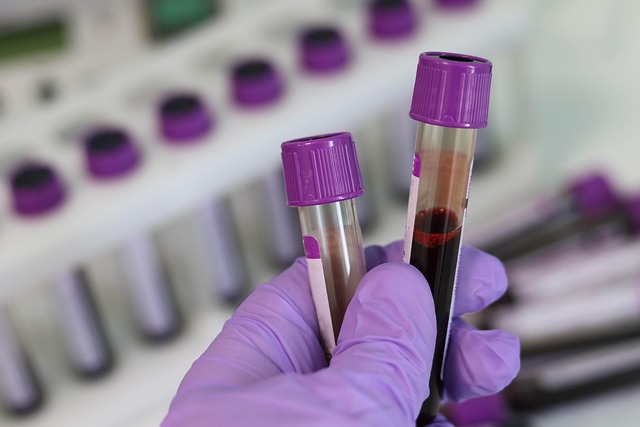
A progesterone test is a simple blood draw. A healthcare professional will draw a sample of blood, usually from a vein in your arm. The sample is then sent to a lab for analysis.
Interpreting Your Results:
Progesterone levels are typically measured in nanograms per milliliter (ng/mL) or nanomoles per liter (nmol/L). Conversion: 1 ng/mL ≈ 3.18 nmol/L.
- Anovulatory (No Ovulation): Levels typically below 3 ng/mL (or 10 nmol/L).
- Ovulation Confirmed: Levels typically above 3 ng/mL (or 10 nmol/L).
- Strong Ovulation/Adequate Luteal Phase: Many practitioners look for levels above 10 ng/mL (or 30 nmol/L), and often 15-20 ng/mL (or 48-64 nmol/L) in medicated cycles or early pregnancy.
- Early Pregnancy: Levels typically rise and can be quite variable, ranging from 10-44 ng/mL in the first trimester. A single low level in pregnancy might not be concerning if it’s rising appropriately.
Important Considerations for Interpretation:
- Reference Ranges Vary: Lab reference ranges can differ slightly. Always interpret your results in the context of the specific lab’s ranges and your doctor’s clinical assessment.
- Single Snapshot: A single test provides a snapshot. If results are borderline or inconsistent with symptoms, your doctor might recommend repeat testing.
- Symptoms vs. Numbers: It’s important to correlate test results with your symptoms and overall clinical picture. For example, a woman with low progesterone might experience premenstrual spotting, short luteal phases, or recurrent early miscarriages.
Factors That Can Influence Results:
- Timing Errors: The most common reason for misleading results is incorrect timing relative to ovulation.
- Medications:
- Progesterone Supplements: Will artificially elevate blood progesterone levels.
- Clomiphene Citrate (Clomid) / Letrozole: Can lead to higher progesterone levels due to stronger ovulation or multiple ovulations.
- Hormonal Birth Control: Will suppress ovulation, leading to very low progesterone levels.
- Pregnancy: Progesterone levels naturally rise significantly during pregnancy.
- PCOS: Women with PCOS can have varied progesterone levels, sometimes showing anovulation, or sometimes ovulating but with potentially altered luteal phase function.
- Stress: Chronic, severe stress can potentially impact ovarian function and hormone production.
- Laboratory Variability: Minor differences can occur between different labs or even different assays within the same lab.
Conclusion
Understanding when to take a progesterone test is essential for gaining meaningful insights into your reproductive health. Rather than relying solely on the traditional “day 21” marker, timing the test based on your individual ovulation—typically about seven days after ovulation—provides a more accurate picture of your hormonal status. Preparation is straightforward, with no fasting required, but communicating openly with your healthcare provider about medications and lifestyle factors can help ensure your results are interpreted correctly.
Progesterone levels can reveal whether ovulation has occurred and shed light on the quality of your luteal phase, but it’s important to remember that results are just one piece of the puzzle. Variations in lab reference ranges, timing, and individual circumstances like PCOS, pregnancy, or medication use may all influence your levels. Rather than focusing on a single number, consider how your results fit within the broader context of your symptoms and overall health.
Taking control of your hormonal health means staying informed, asking questions, and partnering with your healthcare team to understand what your unique numbers mean for you. Trust in your body’s signals, and know that accurate testing and thoughtful interpretation are powerful tools on your journey toward balance and well-being.